2 days ago
Jojari River Pollution Ravages Rajasthan Villages as Court Orders Protection

The Jojari River in Rajasthan used to provide water for many villages.
For more than 20 years, sewage and factory waste have made its water black and unsafe.
The dirty water has flooded homes and fields, destroying crops and making farmland barren.
People say their cows and other animals become sick after drinking the water.
Families also report diseases, mosquitoes, and difficulty paying for treatment.
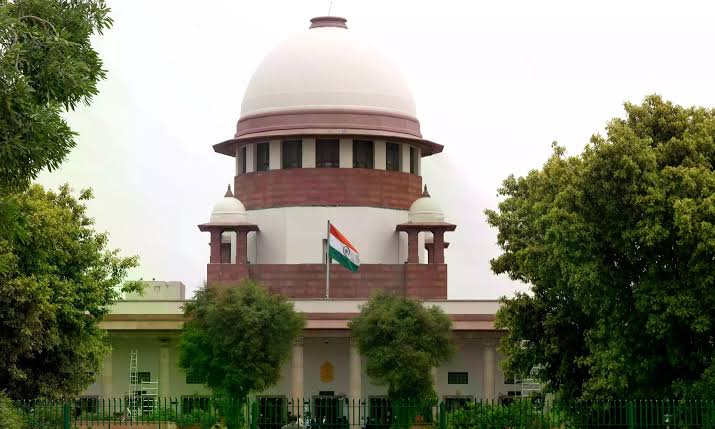
The Supreme Court of India has ordered restrictions on building and hazardous factories near the river.
It has also told the Rajasthan government to organize a plan to restore the river.
Residents want the government to stop untreated waste and rebuild the river’s damaged embankments.

Untreated sewage and industrial effluents have polluted the 83-kilometre Jojari River for more than two decades.
Polluted water has entered homes and farmland, making thousands of bighas barren and forcing some families to relocate.
Residents report illnesses, livestock sickness, mosquito infestations, and losses of crops, vegetation, and wildlife.
The Supreme Court of India banned construction within 100 metres and hazardous industries within 500 metres of the river.
The court also ordered Rajasthan to create an Integrated Coordination Group and River Rejuvenation Authority.
- Who
- Residents, farmers, livestock owners, climate activist Shravan Patel, the Rajasthan government, and the Supreme Court of India are involved.
- What
- The Jojari River has been severely polluted by sewage and untreated industrial waste, damaging communities, farmland, animals, and vegetation.
- Where
- Along the 83-kilometre Jojari River in Rajasthan, particularly near Jodhpur, Pali, Balotra, Boranada, and surrounding villages.
- When
- The pollution has worsened over more than two decades, with water entering fields around 2000; the Supreme Court issued its restrictions recently.
- Why
- Sewage from Jodhpur and untreated effluents from textile, steel, tile, and other industrial facilities have entered the river.
Residents and Environmental Advocates
Government and Institutional Response
Effectiveness of official action
Residents and Environmental Advocates
Residents and activist Shravan Patel say successive governments have shown insufficient political will and that pollution controls have not solved the underlying problem.
Government and Institutional Response
The Supreme Court has intervened, ordered restrictions around the river, required new coordinating bodies, and prompted the reported closure of illegal or inadequately treated industrial operations.
Priority for restoration
Residents and Environmental Advocates
Farmers and residents want untreated sewage and factory waste stopped, embankments rebuilt, farmland restored, and compensation delivered for crop damage.
Government and Institutional Response
The court’s orders and the proposed River Rejuvenation Authority provide an institutional framework for controlling discharges and restoring the river, though the report says major treatment work remains necessary.
Key facts
- River length
- The Jojari is an 83-kilometre seasonal tributary of the Luni River.
- Pollution period
- Residents and the report describe more than two decades of sewage and industrial dumping.
- Construction restriction
- The Supreme Court banned construction within 100 metres of the Jojari River.
- Industrial restriction
- Hazardous industries were prohibited within 500 metres of the river’s banks.
- Court directive
- The court said not a single drop of tertiary treated wastewater should be released into the Jojari.
- Government measures
- Rajasthan was ordered to form an Integrated Coordination Group and establish a River Rejuvenation Authority.
- Riverfront project
- A Jojari riverfront project reportedly received Rs 172 crore, but the activist said construction had not begun.
Quotes
Buraram Patel
A Dhawa resident describing the river’s deterioration.
“However, he said, these measures will have limited impact unless the fundamental problem—the treatment of industrial and sewage waste before it enters the river—was addressed.”
 thestatesman.com
“Some 17-18 years ago, life here was easy, it was peaceful. We used to get good yields of Bajra, Moong, Guar, but everything has turned barren now.”
thestatesman.com
Sources
Related news

Supreme Court Restricts Construction Near Polluted Rajasthan Jojari River
Supreme Court Bars Construction Near Rajasthan’s Jojari River
Untreated Dyeing Wastewater Continues Polluting Nagari’s Water Sources
Polluted Water Kills Fish in Hyderabad’s Durgam Cheruvu

Coimbatore farmers allege casting unit pollution damaging crops, groundwater

Maharashtra Fisheries Minister Directs Urgent Action on Dabhol Creek Pollution

Ahmedabad Withholds 406 Kg Paneer, Seals Three Food Establishments

Severe cold persists in North India

Severe Cold Grips North India