3 hrs ago
Houthi Advance Threatens Red Sea Shipping, Driving Saudi Oil Diversions

The Houthis, a group fighting in Yemen, have moved closer to an important sea passage.
This passage, called Bab el-Mandeb, connects the Red Sea with the Gulf of Aden.
Many ships use it to carry oil and other goods between Asia and Europe.
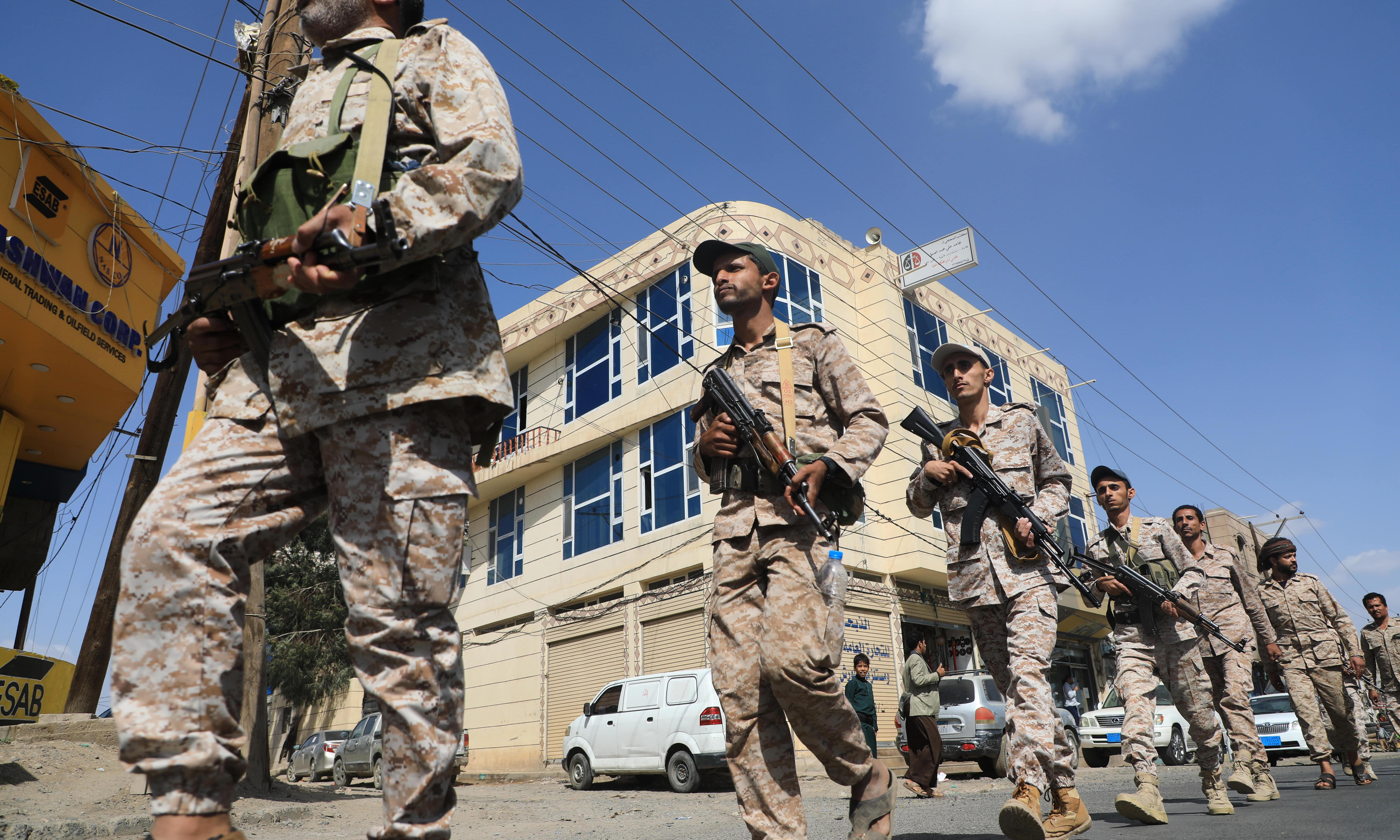
The Houthis captured the port of Mokha and the nearby island of Mayun.
They say some ships are safe, but shipping experts worry their threats could grow.
Saudi oil tankers are now taking longer routes through the Suez Canal and around Africa.
These routes can take more than twice as long to reach Asian countries.
Longer journeys cost more because ships must be rented and operated for additional days.

Houthi forces captured Yemen’s Mokha port and strategic Mayun island near Bab el-Mandeb.
The advance has renewed concerns about shipping through the Red Sea trade route.
Houthi attacks since late 2023 have reduced overall Bab el-Mandeb traffic by about 60%.
Saudi tankers are increasingly avoiding Bab el-Mandeb and using routes through the Suez Canal.
The diversion can extend shipments to Asia from 24 days to 54 days and sharply increase costs.
- Who
- Houthi forces, Saudi oil shippers, and other commercial shipping operators are involved.
- What
- The Houthi capture of Mokha and Mayun has increased concerns about shipping security near Bab el-Mandeb.
- Where
- The developments concern Yemen’s Red Sea coast, Mayun island, and the Bab el-Mandeb Strait.
- When
- Mokha was captured on Thursday and Mayun on Friday; Houthi shipping attacks began in late 2023.
- Why
- The Houthi advance and previous attacks have led Saudi tankers and other vessels to avoid the route because of security concerns.
Houthi Assurances
Shipping-Risk Concerns
Safety of non-targeted vessels
Houthi Assurances
The Houthis have sought to reassure shipowners that vessels not covered by their embargo on Saudi-linked shipping remain safe.
Shipping-Risk Concerns
The capture of positions near Bab el-Mandeb raises concerns that the Houthis could widen their threats if they face further attacks.
Immediate risk
Houthi Assurances
Houthi statements suggest that shipping outside their stated targets does not face the same level of danger.
Shipping-Risk Concerns
Lloyd’s List editor-in-chief Richard Meade said the advance puts the Houthis in a strong position to take further control, even though Saudi and Israeli shipping is already considered high risk.
Effect on trade
Houthi Assurances
The Houthis have not stated that all shipping through Bab el-Mandeb is prohibited.
Shipping-Risk Concerns
Companies have already abandoned or reduced use of the route, leaving traffic roughly 60% below pre-attack levels and forcing longer, more expensive journeys.
Key facts
- Captured locations
- Houthi forces captured the Red Sea port of Mokha and the strategic island of Mayun, also known as Perim.
- Traffic decline
- Traffic through Bab el-Mandeb remains about 60% below levels before Houthi attacks began.
- Saudi Red Sea loadings
- Saudi Red Sea oil loadings fell from 3.8 million barrels per day to 2.2 million barrels per day in August, according to the International Energy Agency.
- Current Saudi routing
- About 70% of Yanbu crude exports are now heading northwest through the Suez route, either by pipeline or tanker, according to Lloyd’s List.
- Transit time
- A shipment from Yanbu to South Korea can take 54 days through the longer route, compared with 24 days through the Red Sea route.
- Charter costs
- Tankers can cost tens of thousands of dollars per day to charter, with some rates exceeding $100,000 per day during the current energy turmoil.
Quotes
Richard Meade
Editor-in-chief of Lloyd’s List
“It puts the Houthis in a strong position to take further control if they want to.”
 firstpost.com
Sources
Related news

Houthis Reach Perim as Trump Rejects Saudi Strike Request
Houthis Seize Yemen’s Mocha, Raising Fresh Red Sea Shipping Risks

Houthis Seize Mayun, Threatening Key Red Sea Shipping Route

Saudi Airstrikes Hit Houthi-Held Mokha Airport Near Key Strait

81 Killed as Houthis Push Toward Key Red Sea Chokepoint

Houthis Seize Yemen Port, Raising Threat to Red Sea Shipping
BRICS Seeks Self-Reliance Through Energy, Food and Rare Earths
Two Explosions Reported Off Iran’s Qeshm Island Coast

Iran, Gulf States To Discuss Hormuz Shipping Routes In Oman

BRICS Energy Security Call Faces Test Amid West Asia War