4 hrs ago
India’s Sixth-Generation Fighter Ambitions Face Funding and Technology Risks
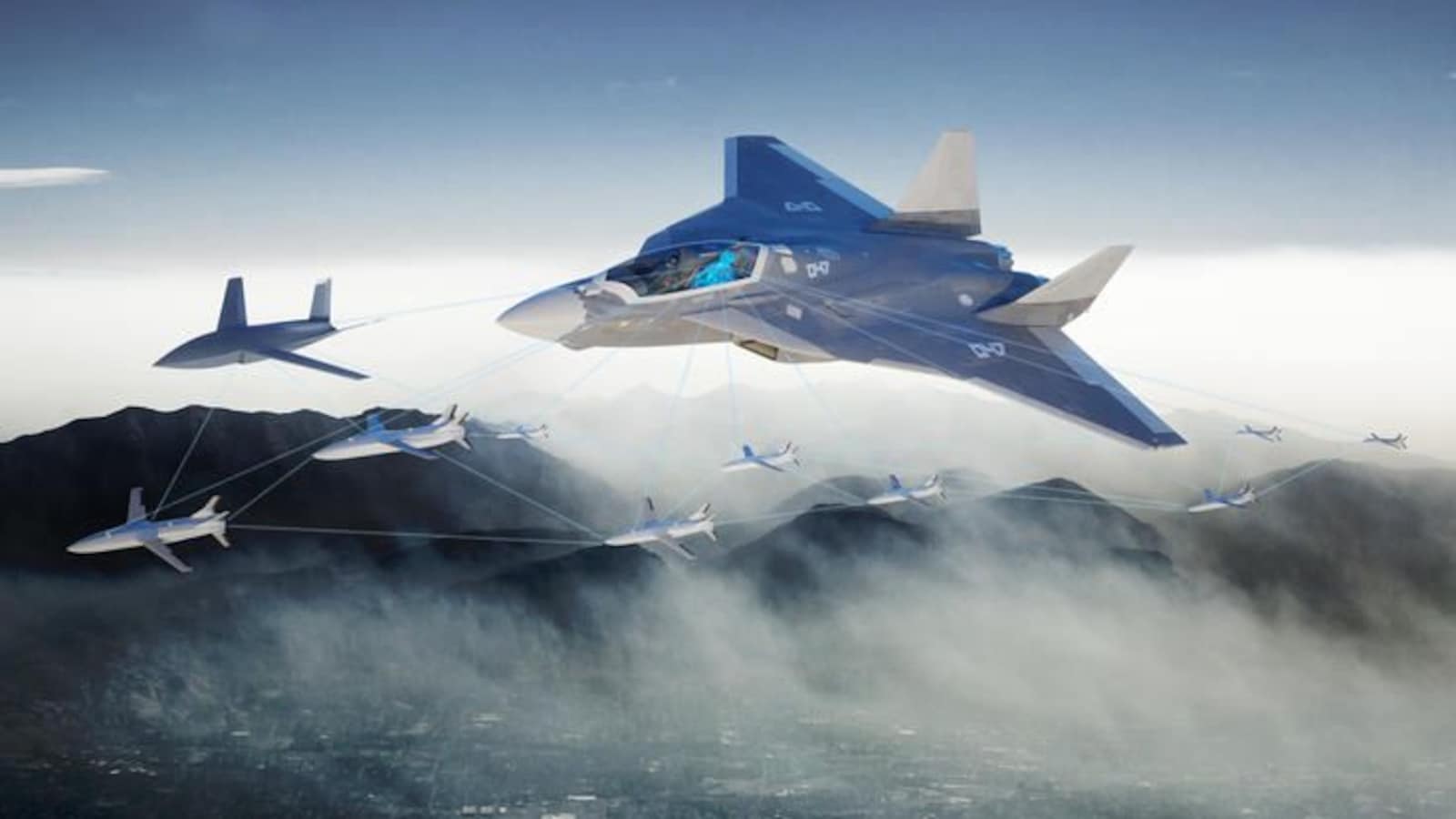
India is thinking about helping build a very advanced fighter jet called a sixth-generation fighter.
This kind of aircraft would work with drones, sensors, computers and other weapons as one connected team.
India is already working on several other fighter projects, including Tejas Mk2, MRFA and AMCA.
Building all these aircraft could cost a great deal of money and require many skilled workers and factories.
Joining an international project could give India access to important technology and new partnerships.
However, existing partners may not give India equal control, manufacturing work or access to secrets.
The article also says India still needs to solve the difficult problem of developing a powerful fighter-jet engine.
Its main advice is to choose and organize projects carefully instead of announcing too many at once.

India is exploring participation in the European GCAP or FCAS sixth-generation fighter programmes.
The proposed effort would add to Tejas Mk2, MRFA and AMCA modernization commitments.
International cooperation could provide advanced technology, industrial participation and strategic partnerships.
India may face limited funding, workshare, intellectual-property access and decision-making authority in existing programmes.
The article argues India should prioritize a coherent technology roadmap, especially development of a high-thrust fighter engine.
- Who
- India, the Indian Air Force, the Ministry of Defence and international aerospace partners.
- What
- India is examining participation in a sixth-generation fighter programme while pursuing Tejas Mk2, MRFA and AMCA.
- Where
- Potential cooperation involves the European Global Combat Air Programme and Future Combat Air System.
- When
- The Defence Secretary discussed India’s interest in April; GCAP partners merged efforts in 2022 and plan to field an aircraft around 2035.
- Why
- India seeks advanced technology, industrial participation and strategic partnerships, but must weigh major costs and limited technological and institutional capacity.
International Sixth-Generation Partnership
Domestic Programme Consolidation
Strategic value
International Sixth-Generation Partnership
Joining GCAP or FCAS could provide access to advanced technologies, global industrial participation and stronger strategic alliances.
Domestic Programme Consolidation
India should first build a coherent air-power architecture and avoid adding another programme to an already crowded modernization agenda.
Industrial participation
International Sixth-Generation Partnership
A partnership could support Indian manufacturing and technology development if India secures meaningful design, production and intellectual-property rights.
Domestic Programme Consolidation
Existing programmes have established partners and workshare arrangements, so India may receive only limited authority or supplier-level involvement.
Technology priorities
International Sixth-Generation Partnership
Participation in a sixth-generation project could help India develop capabilities involving stealth, artificial intelligence, electronic warfare and manned-unmanned teaming.
Domestic Programme Consolidation
India has not yet independently demonstrated the ability to design and produce a modern high-thrust fighter engine, making engine development an immediate priority.
Key facts
- Potential programmes
- The Ministry of Defence is examining GCAP and FCAS as possible cooperation avenues.
- GCAP partners
- Britain, Italy and Japan are developing GCAP through Edgewing.
- GCAP timeline
- The partners plan to field a new combat aircraft around 2035.
- GCAP funding
- The three governments awarded Edgewing a GBP 4.6 billion contract, while Britain committed GBP 8.6 billion over four years.
- AMCA research and development
- The Aeronautical Development Agency has placed the initial AMCA R&D allocation at approximately $1.8 billion.
- MRFA estimate
- The MRFA programme is described as costing approximately $39 billion.
- Engine challenge
- The article estimates that developing a modern fighter engine could cost approximately $10 billion.
Sources
Related news
India eyes sixth-generation fighter leap as panel seeks roadmap

India Initiates Efforts to Join France-Led Sixth-Generation Fighter Jet Programme

Ex-Air Force Vice Chief Questions Tejas Mk-2 Frontline Future
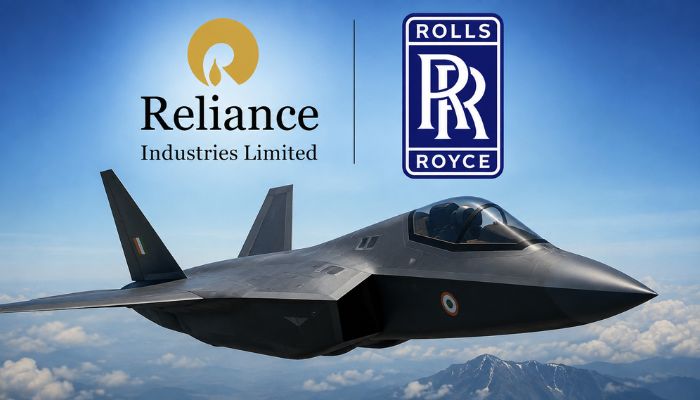
Reliance and Rolls-Royce partner to develop AMCA fighter jet engines

DRDO Extends AMCA Bid Deadline to October 30
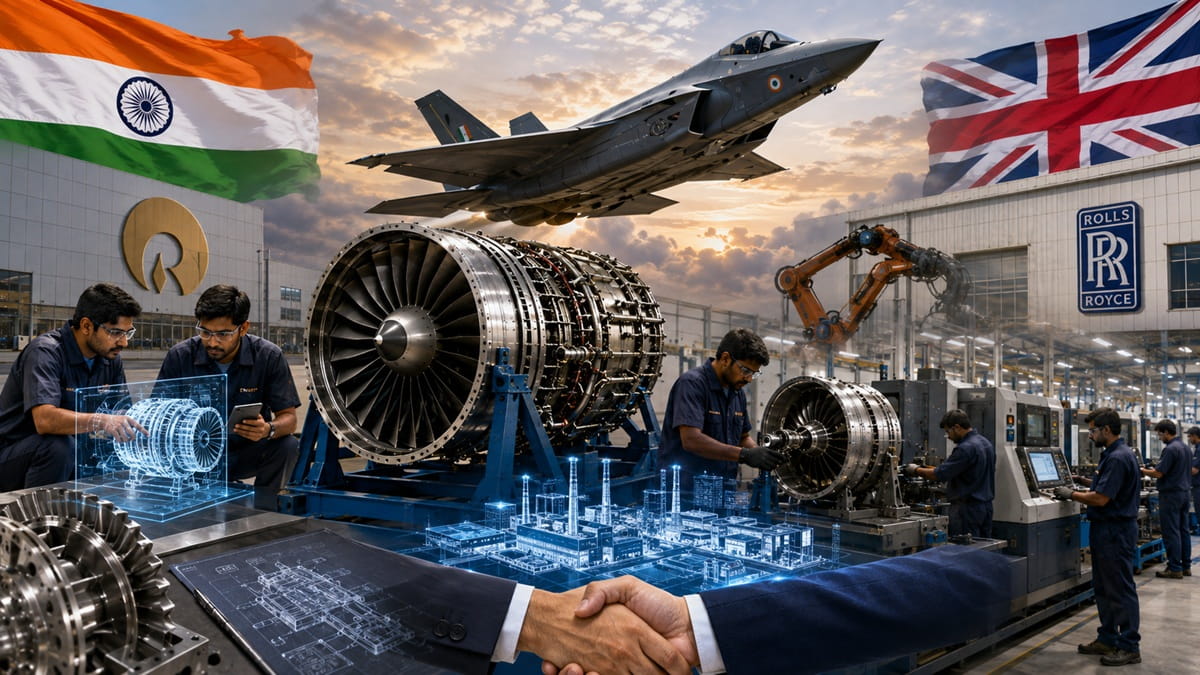
Reliance, Rolls-Royce partner to develop indigenous AMCA combat engine
Samsung Ordered To Pay $11.6 Million Over Swatch Apps

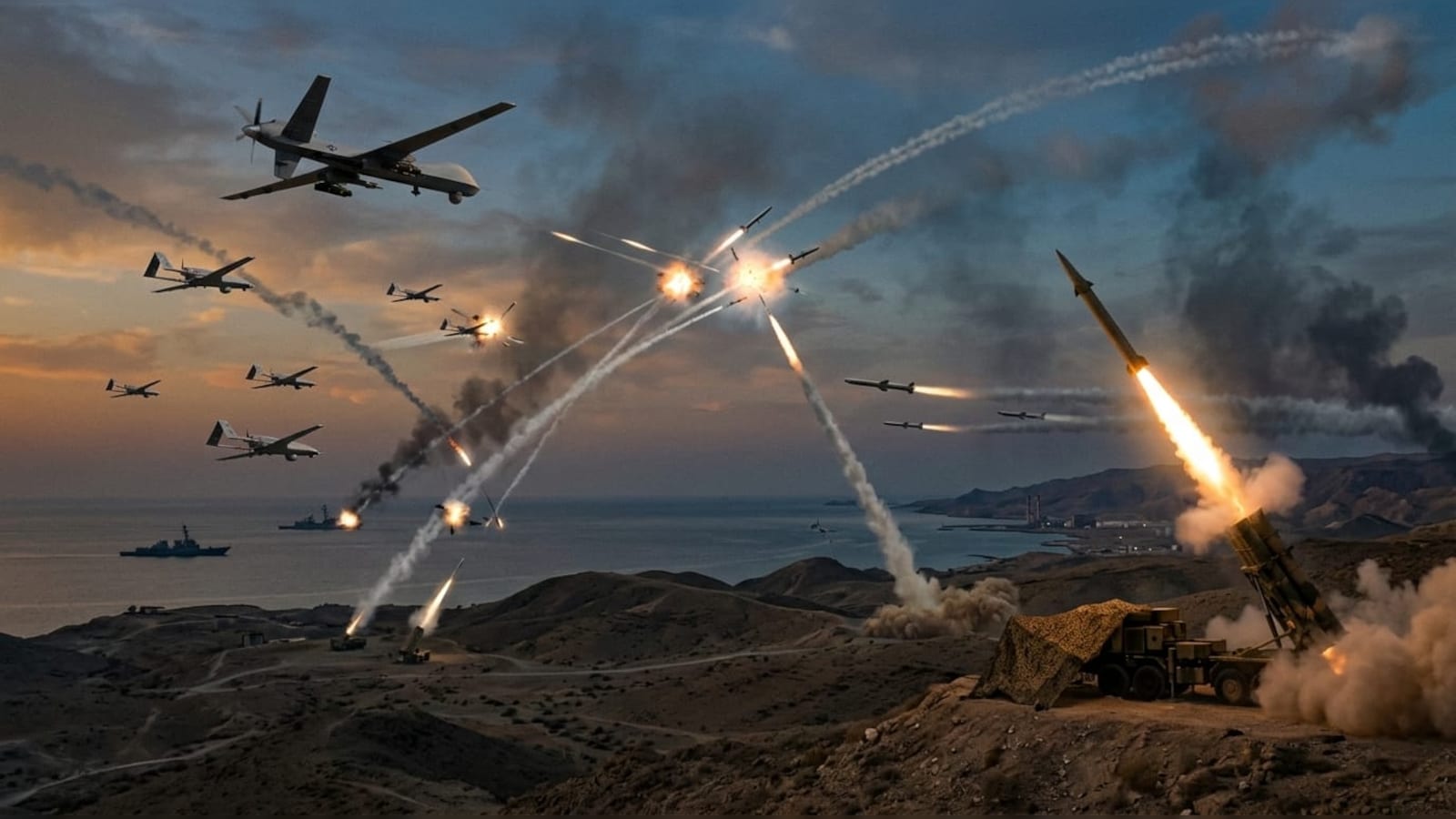
France Warns of Wider Hybrid Threats After Leipzig Drone Incident
India’s Defence Reset Targets Faster Procurement and Technology Sovereignty
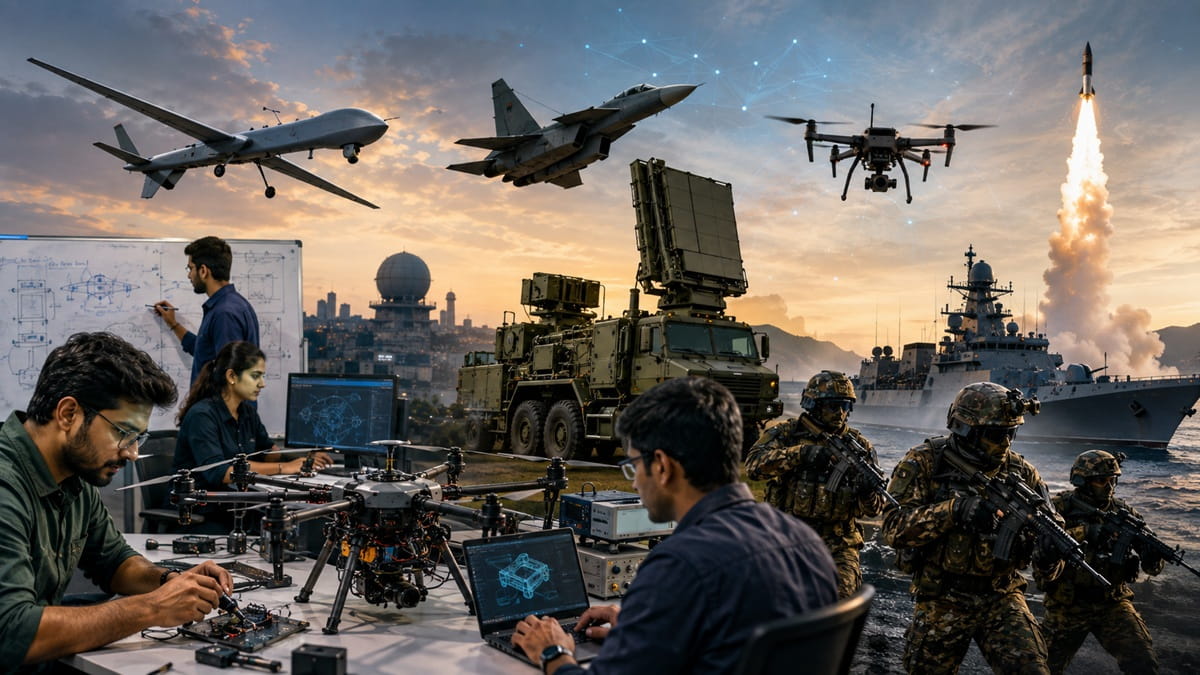
Indian defence firms expanding into Europe's defence market