

5 days ago
What India Lost When Parliament Left Its Old Home

India’s old Parliament building was more than a place where politicians gave speeches.
Its circular design helped members meet, talk and solve problems informally.
The Central Hall was a shared space where government and opposition leaders could speak with one another.
Over time, the building became crowded and security concerns grew.
After the 2001 attack, entering the complex became harder for ordinary people.
India later opened a larger, newer Parliament building nearby.
The new building has modern facilities, but its design separates members more than before.
The book asks whether a more orderly building can preserve the friendly arguments and cooperation that democracy needs.

Sobhana Nair’s book Housing the Republic examines the old Parliament House as both an architectural landmark and democratic institution.
The building’s circular corridor and Central Hall enabled informal conversations, cross-party contact and political negotiation.
The old complex once housed several democratic institutions, including the Supreme Court, Election Commission and Princes’ Chamber.
Security restrictions increased after the 2001 Parliament attack, making the complex less accessible to the public.
The new Parliament is larger and better equipped, but critics say its design has reduced members’ informal proximity and interaction.
- Who
- Sobhana Nair, the author of Housing the Republic, and Jairam Ramesh, who wrote its foreword, are central to the discussion; the article is also written by Rajya Sabha MP Brittas.
- What
- The article reviews a book about the history, architecture and democratic significance of India’s old Parliament House, now called Samvidhan Sadan, and contrasts it with the new Parliament building.
- Where
- The old and new Parliament complexes in New Delhi, India.
- When
- The article discusses the building’s history, the 2001 Parliament attack and the move to the new Parliament building; no publication date is provided.
- Why
- The old building’s design encouraged informal political interaction, while the newer building was introduced amid concerns about overcrowding, amenities and fire safety but may reduce members’ proximity and public accessibility.
Old Parliament’s Democratic Intimacy
New Parliament’s Modern Order
Informal political interaction
Old Parliament’s Democratic Intimacy
The old building’s circular corridor and Central Hall brought government and opposition members into close contact, supporting conversation, persuasion and cross-party negotiation.
New Parliament’s Modern Order
The new building provides more space and order, but members are seated farther apart and may withdraw into separate areas, reducing informal interaction.
Building quality and capacity
Old Parliament’s Democratic Intimacy
The old building’s imperfections, cramped seating and poor acoustics helped create a lively culture of argument and improvisation.
New Parliament’s Modern Order
The new structure is larger, better equipped and more orderly, addressing concerns about overcrowding, amenities and fire safety.
Public accessibility
Old Parliament’s Democratic Intimacy
The author recalls a time when journalists and visitors had more direct access to the complex, including the ability to park near the portico.
New Parliament’s Modern Order
Security concerns, especially after the 2001 attack, have made the complex more controlled; the article presents the new arrangement as part of a broader shift toward restricted access.
Key facts
- Book
- Housing the Republic
- Author
- Sobhana Nair
- Old building
- The former Parliament House, now rechristened Samvidhan Sadan
- New building
- A larger Parliament building on a triangular site near the old circular structure
- Historic spaces
- The circular corridor and Central Hall supported informal meetings, conversation and negotiation
- 2001 consequence
- The Parliament attack led to tighter security and reduced public access to the complex
- Former occupants
- The old complex once housed the Supreme Court, Election Commission and Princes’ Chamber
Sources
Related news

Tharoor Criticises New Parliament Building As Soulless Conference Centre
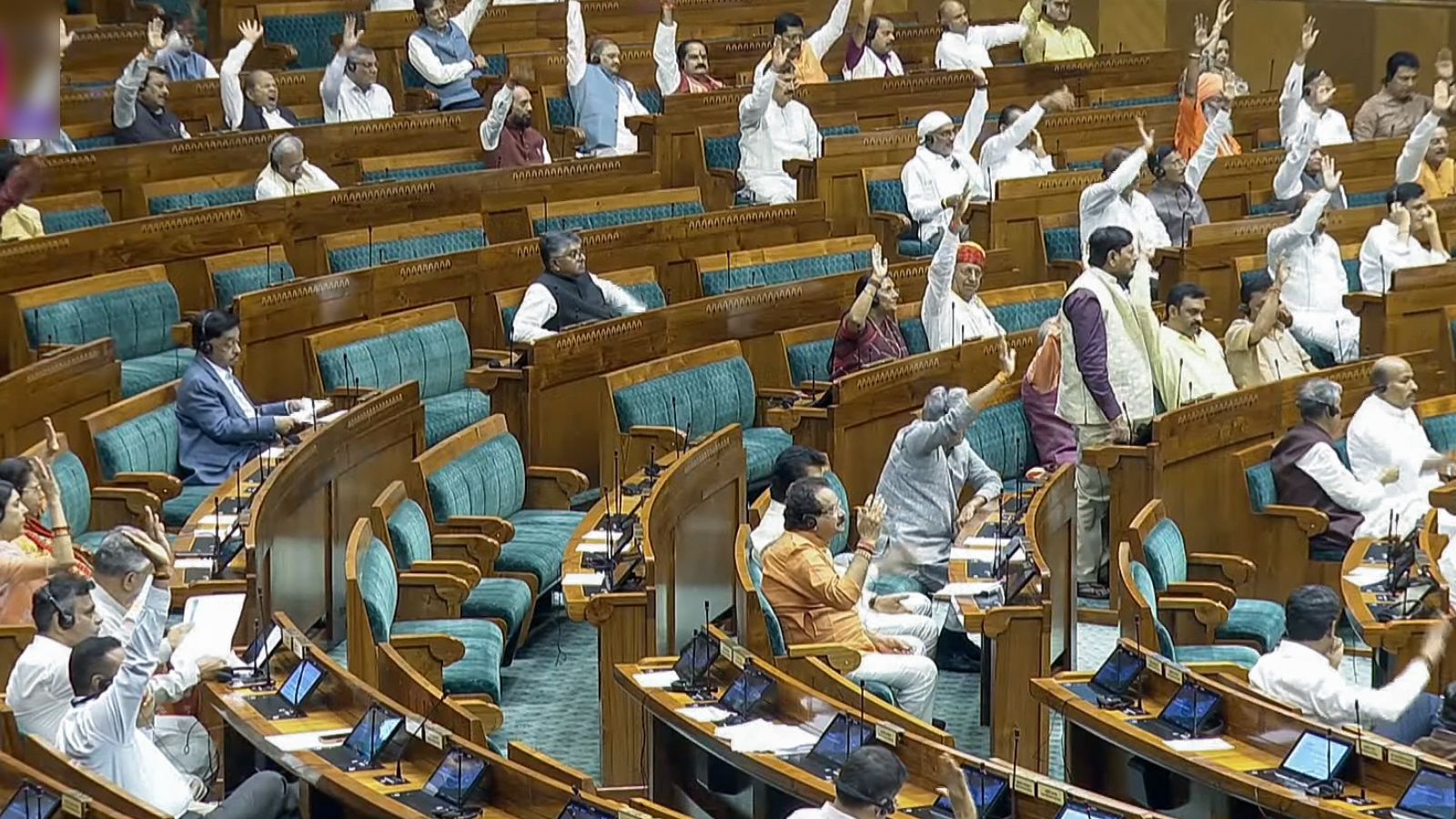
Hiren Mukherjee’s Warning: Parliament Must Recover Its Democratic Purpose
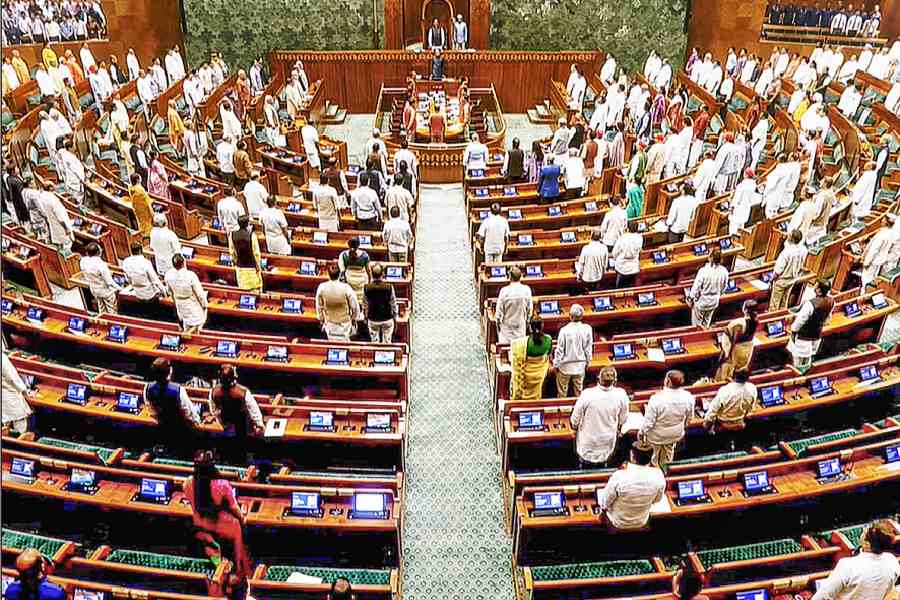
Inside India's Parliament, Disruptions Raise Questions About Democratic Accountability
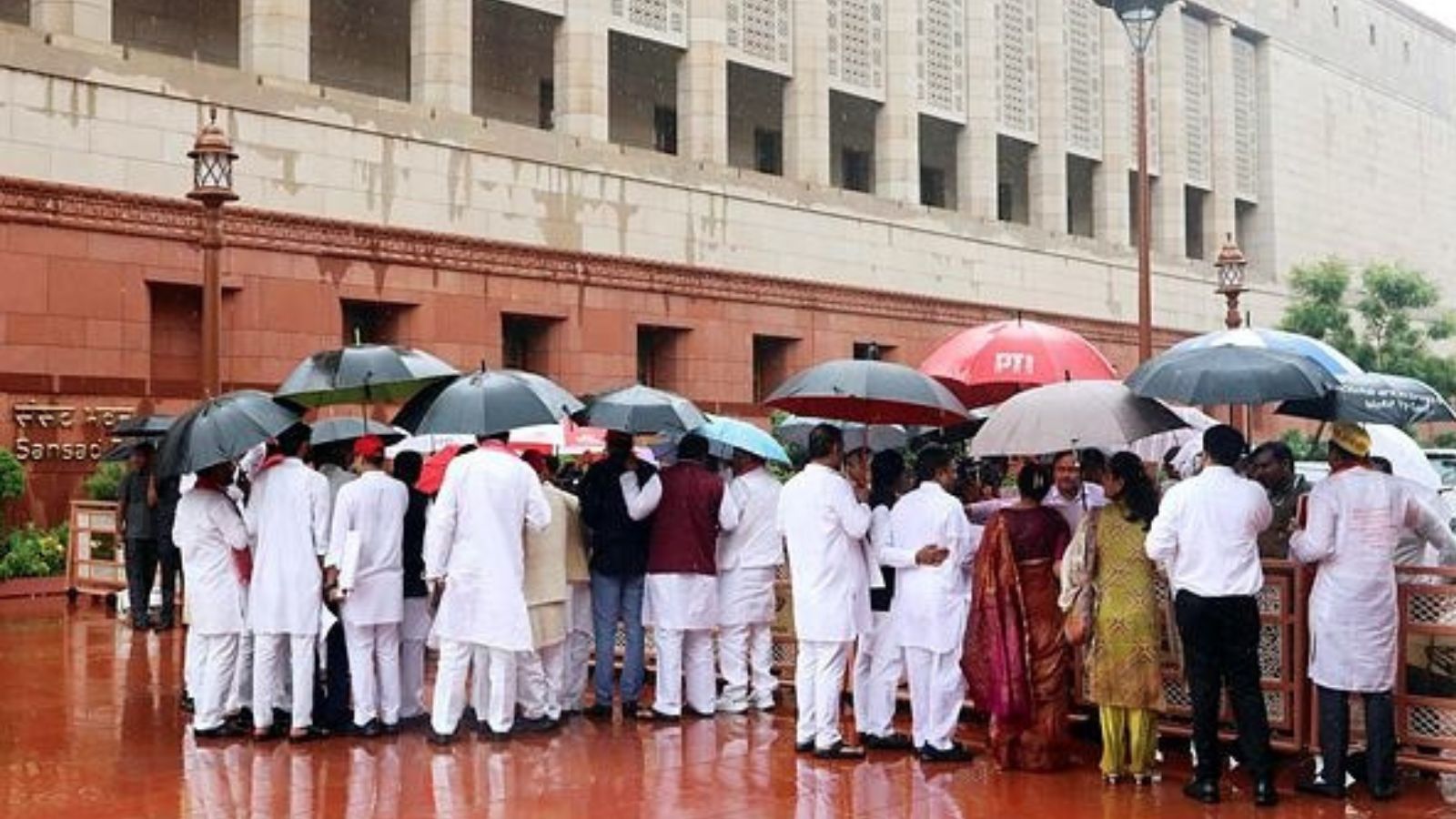
Parliament's Makar Dwar may get porch three years after opening

BJP Leader Sanjay Tandon Warns Against Parliamentary Disruptions
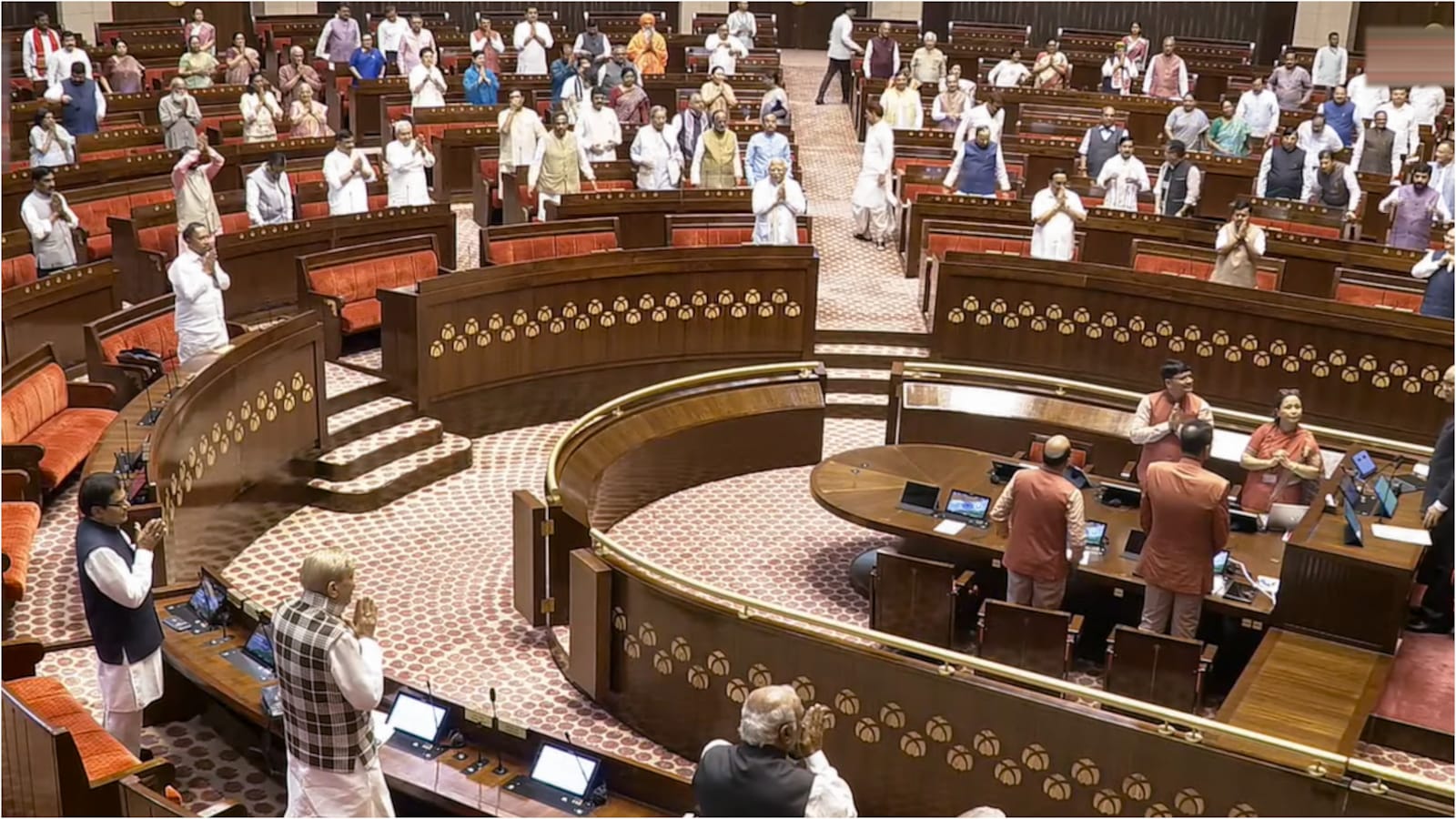
Indian Parliament's Monsoon Session Ends Amid Disruptions, Low Productivity
Priyanka Gandhi Flags Youth Job Crisis, Citing 40-Year High

Dindori MP Bhaskarrao Bhagre submits development demands to PM Modi
NCP(SP) MPs Meet PM Modi, Raise Maharashtra Development Issues

Purohit urges Gadkari to expedite National Highway projects
