1 hr ago
How to Maintain Mental Health, Vitality, and Connection While Aging

Growing older changes our bodies and our daily lives.
Mental health is about more than avoiding illness; it also includes feeling connected, curious, and useful.
People can protect their well-being by spending time with relationships that bring them joy.
Small interactions, such as talking with people at the gym, can help reduce loneliness.
Learning new skills can keep the mind engaged.
Accepting difficult experiences may make it easier to adapt to aging.
Helping others through kindness, listening, or empathy can benefit both people.
The idea of “joy span” reminds us to focus on the quality of our years, not just their number.
Aging can be a new stage filled with opportunity and strength.

Adults in their 50s are increasingly seeking therapy to build meaningful lives and prepare for lifestyle changes, including retirement.
Older adults often seek support while caregiving, becoming grandparents, coping with loneliness, or facing health concerns and anticipatory grief.
The article argues that aging discussions should address “joy span”—the quality and emotional richness of life—not only health span or longevity.
Close relationships, social interaction, curiosity, lifelong learning, and adaptability can help people remain engaged and vital as they age.
Accepting life’s losses, contributing to others, and practicing generosity may support contentment and a sense of purpose in later life.
- Who
- Adults in their 50s, 60s, and 70s, including people preparing for retirement, caregiving, becoming grandparents, or coping with loss and loneliness.
- What
- The article offers ways to maintain mental health, vitality, connection, and purpose while aging.
- Where
- No specific location is stated.
- When
- The observations draw on changes noticed over the last few years and experiences involving people in their 50s, 60s, and 70s.
- Why
- To encourage people to focus on quality of life, meaningful relationships, adaptability, curiosity, acceptance, and contribution as they age.
Key facts
- Core idea
- Aging well involves quality of life and emotional well-being, not only longevity.
- Joy span
- A term attributed to gerontologist and author Dr Kerry Burnight that emphasizes the quality of life during later years.
- Health span
- The years a person spends in good health as they age.
- Connection
- Close relationships and everyday social interactions can help counter withdrawal and isolation.
- Learning
- Learning new skills can help older adults remain curious and engaged.
- Acceptance
- Making peace with life’s losses and challenges may help people adapt as they grow older.
- Giving
- Acts such as smiling, listening, offering hope, showing empathy, or being considerate can support a sense of purpose.
Quotes

Betty Friedan
Author of Fountain of Age, quoted in the article about the possibilities of aging
“Aging is not lost youth, but a new stage of opportunity and strength”
 livemint.com
Sources
Related news

Why Healthspan Matters More Than Simply Living Longer
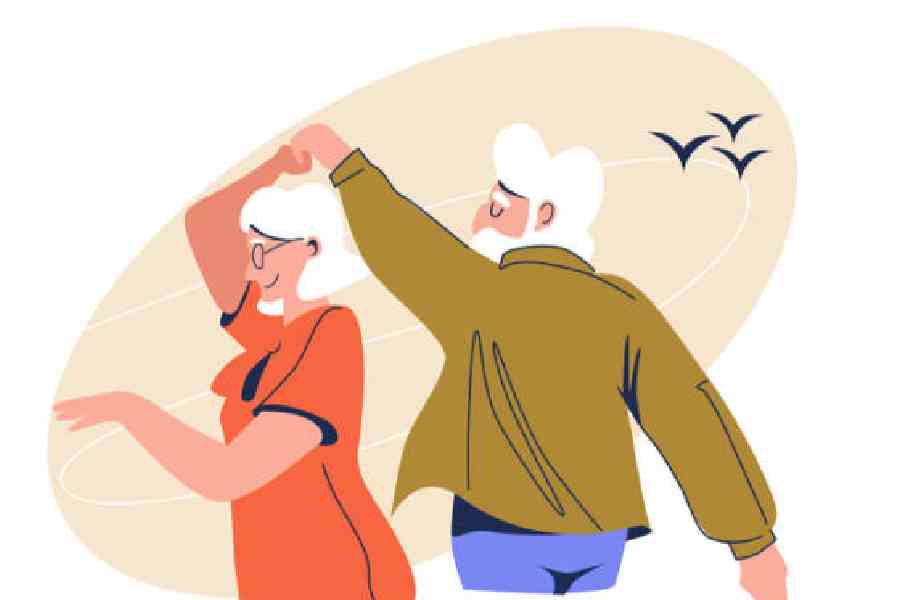
Ageing Well: Practical Ways to Stay Healthy Longer

Doctors Warn Loneliness Is Becoming a Silent Epidemic Among Elderly

Lisa Ray Embraces Changed Body in Midlife Fitness Journey
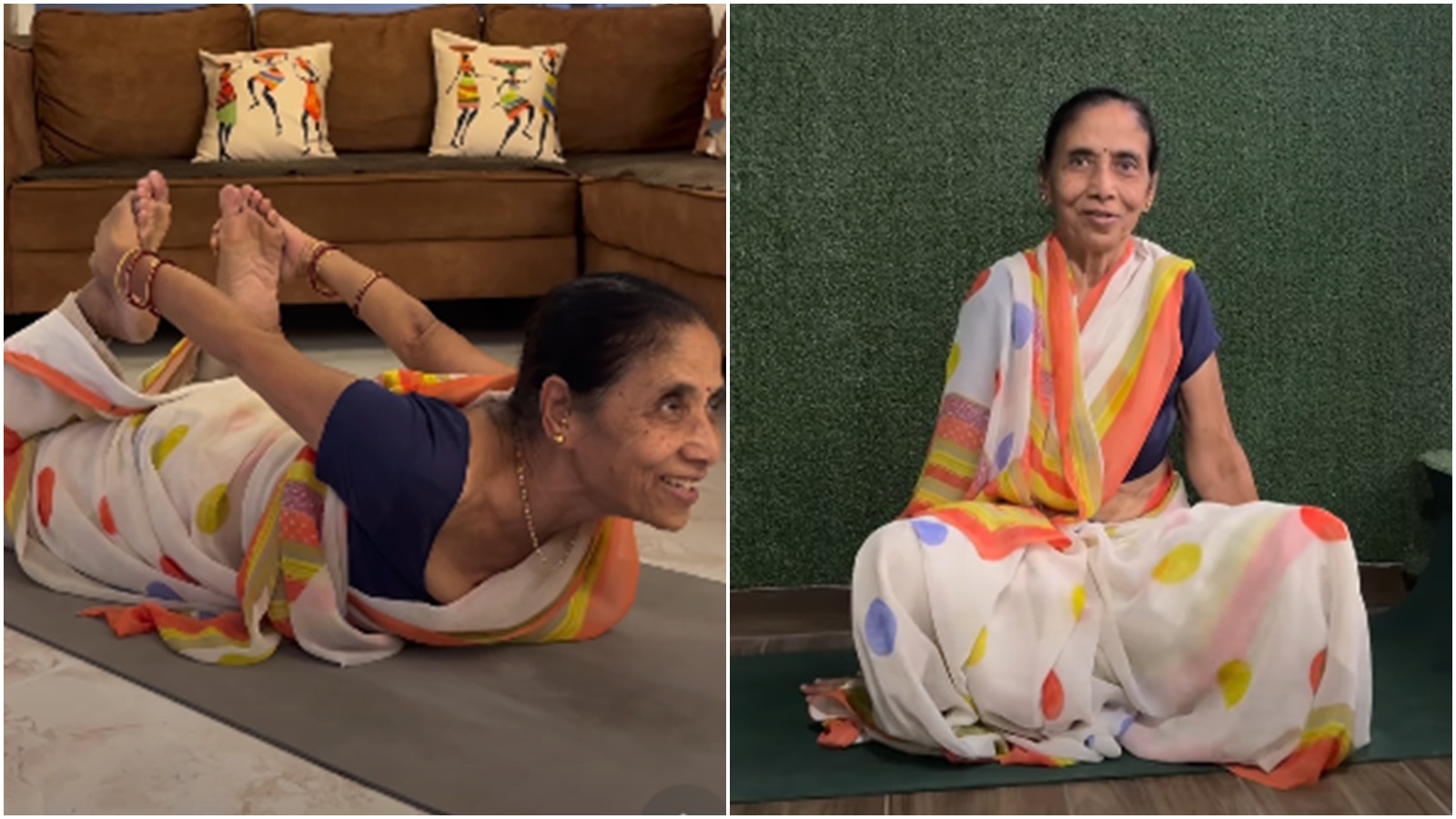
75-Year-Old Grandmother Amazes Internet With Daily Yoga Flexibility

Tamil Nadu’s Maternity Leave Raises Questions About Shared Parenting
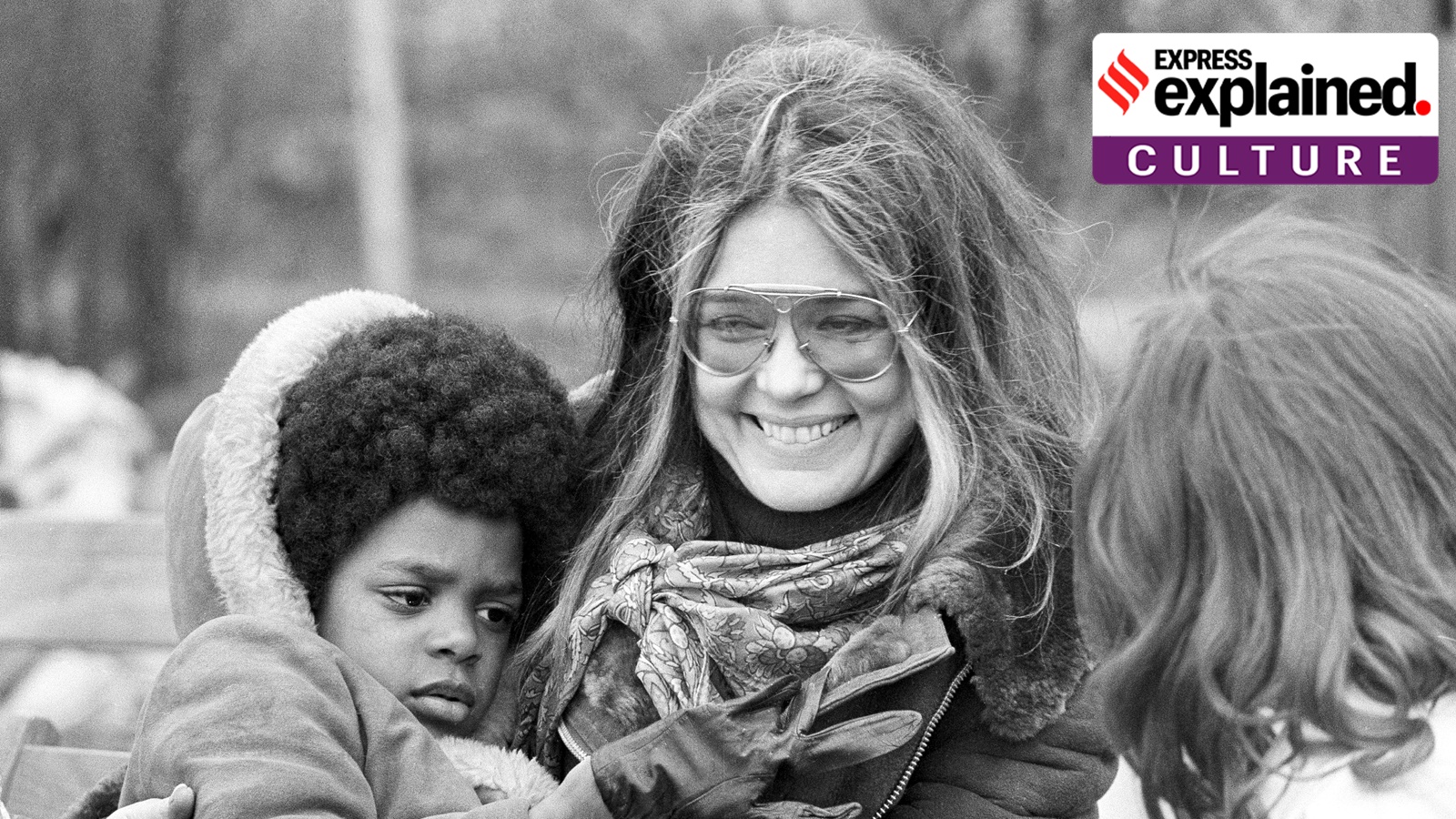
Why Gloria Steinem’s Legacy Still Matters Across Feminism’s Waves
Gloria Steinem, Pioneering Feminist Leader, Dies at 92

10 Books That Profoundly Influenced History and Thought