1 week ago
Why Healthspan Matters More Than Simply Living Longer
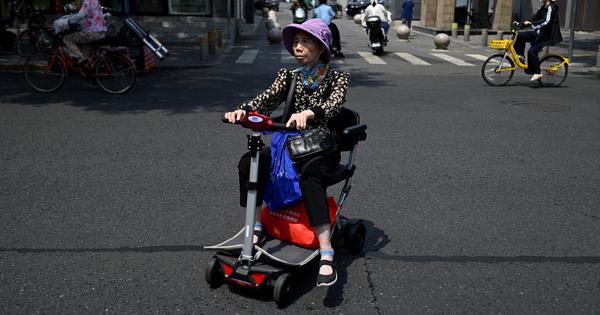
Living longer is not always the same as living well.
Many Canadians live into their 80s, but their years in good health may end around age 67.
This can mean spending many years with illness, memory problems or difficulty moving.
Healthspan means the part of life when a person is healthy and able to do everyday things.
The article says exercise, sleep, nutritious food and friendships can help protect health.
Not smoking and drinking less alcohol can also help.
A person’s home, income, work schedule and neighbourhood can make healthy choices easier or harder.
A new institute at McMaster University will study ways to help people stay healthier for more of their lives.

Canadian life expectancy has risen to roughly 80 for men and 84 for women, while healthy life expectancy is about 67 years.
The resulting gap can leave people living nearly two decades with chronic illness, cognitive decline or reduced mobility.
McMaster University’s McCall MacBain Kinesiology and Healthspan Institute aims to improve healthspan through research, teaching and prevention.
Regular exercise, sleep, healthy eating, social connection, avoiding smoking and limiting alcohol are identified as major healthspan factors.
The article says social and economic conditions—including housing, income, food access and safe neighbourhoods—strongly influence who can age well.
- Who
- Stuart Phillips, a McMaster University kinesiology professor, discusses healthspan; the McCall MacBain Kinesiology and Healthspan Institute is also involved.
- What
- The article argues that improving healthspan—the years lived in good health—should be prioritized over merely extending lifespan.
- Where
- Canada, with research and initiatives centered at McMaster University.
- When
- Over the past century, Canadian life expectancy rose by 22 years; the article describes current life expectancy and healthspan estimates.
- Why
- Because Canadians may spend close to two decades with chronic illness, cognitive decline or lost mobility, and prevention could improve quality of life and reduce later treatment costs.
Healthspan Priority
Longevity Focus
What should be measured
Healthspan Priority
The article argues that the more meaningful goal is preserving good health, mobility, cognitive function and quality of life for as much of life as possible.
Longevity Focus
Longevity culture emphasizes extending the total number of years people live, including through biohacking and other longevity-oriented products or treatments.
How to improve aging
Healthspan Priority
The article emphasizes prevention, regular exercise, sleep, diet, social connection and supportive social conditions such as housing, safe streets and affordable food.
Longevity Focus
The wellness and longevity industries promote pills, supplements, peptides, protocols and other treatments, but the article says there is no evidence that these products improve healthspan.
Role of social conditions
Healthspan Priority
Income, education, housing, working conditions, childcare, neighbourhood safety and discrimination are presented as major influences on healthy aging.
Longevity Focus
Individual-focused longevity approaches place greater attention on personal routines and purchased interventions, which the article contrasts with broader community and economic factors.
Key facts
- Canadian life expectancy
- Roughly 80 years for men and 84 years for women.
- Canadian healthspan
- About 67 years, down from a peak of about 70 years.
- Healthspan gap
- Many people may spend close to two decades in poor health after their healthy years end.
- Prevention-treatment spending
- Canada’s estimated ratio of treatment to prevention health spending is almost 12:1.
- Institute funding
- The McCall MacBain Kinesiology and Healthspan Institute was enabled by a $50 million donation.
- Major healthspan factors
- Exercise, sleep, diet, social connection, not smoking and limiting alcohol.
- Annual wellness spending
- Canada spends close to $144 billion a year on wellness-related products.
Sources
Related news
India Tops Global Rankings in Prioritising Longevity and Healthy Ageing

The Age Code Argues Food May Shape How We Age

Midlife Habits That May Support Longer, Healthier Lives
Everyday Habits Linked to Longer Life, Without Supplements

Ageing Well: Practical Ways to Stay Healthy Longer