10 hrs ago
Ageing Well: Practical Ways to Stay Healthy Longer
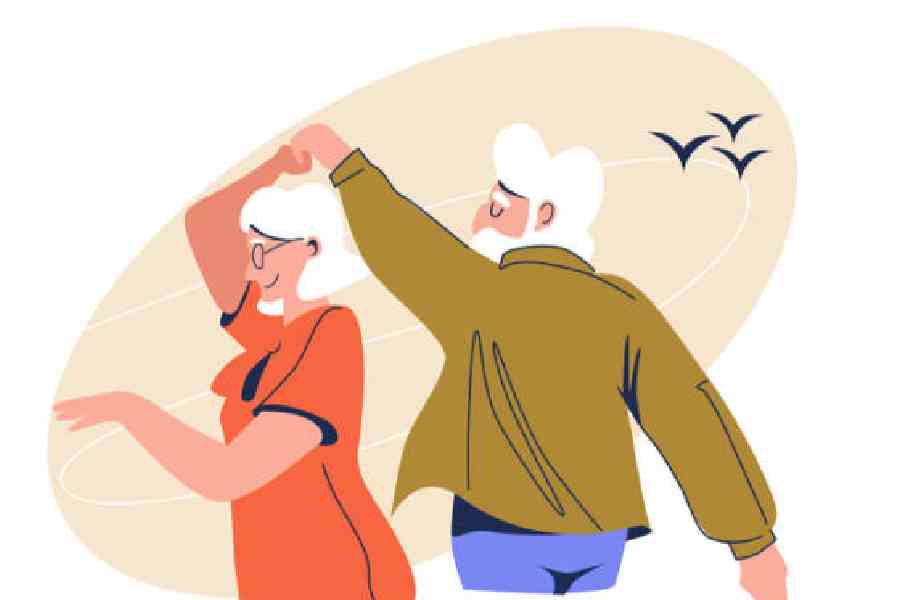
Everyone gets older, and some body functions slowly become less strong.
The body may repair damage less efficiently as we age.
Older people can lose height, muscle strength and bone density.
Digestion may also become slower, and some foods or medicines can cause discomfort.
Staying hydrated and eating vegetables, fruits and whole grains can help.
Moving regularly helps keep the heart, muscles and balance healthier.
Strength exercises can help prevent muscle loss and falls.
Dental, eye and hearing check-ups are also important.
Healthy sleep, social interaction and preventive healthcare can help people remain active as they grow older.

Ageing gradually reduces the body’s ability to repair cells and maintain strength, height, digestion and other functions.
Spinal disc changes, bone loss and weaker core muscles can reduce height and contribute to stooping.
Flattened foot arches and changes to cartilage, skin and facial tissues can alter shoe size and appearance.
Hydration, fibre-rich foods, healthy weight management and correct medication use can reduce some age-related problems.
Regular aerobic, resistance, flexibility and balance exercises, along with dental, vision and hearing care, can support independence.
- Who
- All people, particularly older adults, are affected by ageing-related changes.
- What
- The article explains common physical changes associated with ageing and ways to reduce their impact.
- Where
- The advice is presented by a family-practice writer based in Vellore; no specific setting is required.
- When
- These changes occur gradually as people grow older.
- Why
- To help people maintain physical and mental activity, mobility and independence while reducing the effects of ageing.
Key facts
- Ageing process
- Ageing is a gradual, time-related decline in some physiological functions.
- Height change
- Height may decrease by one to two inches with increasing age.
- Muscle loss
- Sarcopenia is age-related loss of muscle mass and strength and can increase the risk of falls and fractures.
- Aerobic exercise
- The article recommends about 150 minutes of moderate aerobic activity per week.
- Resistance exercise
- Weight-bearing or resistance exercises are recommended at least two or three times weekly.
- Digestive health
- Reduced activity, inadequate fluids or fibre, and some medications can contribute to constipation and abdominal discomfort.
- Preventive care
- Regular dental, eye and hearing checks are advised as people age.
Sources
Related news

Bhagyashree shares fitness tests revealing 'real age', says 90% fail
Chiranjeevi at 71: Fitness Lessons for Active Ageing

Movie Watching, Travel and Concerts Slow Ageing: BMJ

Dick Van Dyke’s ‘Keep Moving’ Message Highlights Healthy Ageing

Anupam Kher Highlights Why Strength Matters After 70

Palaniswami Accuses Tamil Nadu Government of Wasting Assembly Time

India Must Become AI Creator, Delhi CM Tells VIT Graduates

Delhi CM Rekha Gupta Visits Vellore Temple, Greets Tamil Nadu

Vellore Farmers Get Subsidy Support for Dragon Fruit Cultivation