

3 hrs ago
Bessent Predicts Oil Collapse After Iran Conflict, Lowering Bond Yields

Scott Bessent, a US Treasury official, thinks oil prices could drop sharply after the Iran conflict ends.
He said oil might fall to $50 or even $40 per barrel.
He expects there to be more oil available than buyers need.
Right now, oil prices are above $90 per barrel after military strikes involving the United States and Iran.
Higher oil prices can make people worry that everyday goods will become more expensive.
Those worries have helped push up interest rates on government bonds.
Bessent also said Norway may not be abandoning US investments entirely.
He believes Norway could move some money from Treasury bonds into bonds connected to Fannie Mae and Freddie Mac.

Treasury Secretary Scott Bessent said oil could fall to $40 a barrel after the Iran conflict ends.
Bessent expects a global oil oversupply because substantial new production is coming online.
Brent crude traded above $95 and West Texas Intermediate near $91 after US-Iran military strikes.
Rising energy prices have increased inflation concerns and pushed benchmark bond yields higher.
Bessent downplayed Norway’s proposed $75 billion reduction in Treasury holdings, saying it may shift into other US assets.
- Who
- Treasury Secretary Scott Bessent, investors, Norway’s sovereign wealth fund, and US financial institutions Fannie Mae and Freddie Mac.
- What
- Bessent forecast that oil could fall as low as $40 a barrel after the Iran conflict and said Norway’s proposed Treasury reductions may reflect a shift into other US assets.
- Where
- The remarks concerned global oil and bond markets, including US Treasuries and other American assets.
- When
- Bessent’s comments aired Friday; oil and bond markets reacted during the same week as US-Iran military strikes.
- Why
- Bessent expects additional oil production to create an oversupply, while higher energy prices have raised inflation concerns and bond yields.
Bessent’s Outlook
Market Concerns
Future oil prices
Bessent’s Outlook
Bessent expects oil prices to fall sharply after the Iran conflict because new production could leave the market oversupplied.
Market Concerns
Current prices remain elevated, with Brent above $95 and West Texas Intermediate near $91 after military strikes, sustaining inflation concerns.
Investor demand for US debt
Bessent’s Outlook
Bessent said Norway’s proposed Treasury reduction mainly reflects an effort to improve yields by shifting into other US assets such as Fannie Mae and Freddie Mac securities.
Market Concerns
The proposed reduction could nevertheless intensify concerns about demand for US government debt amid heavy federal borrowing.
Key facts
- Oil forecast
- Bessent said crude could fall to $50 or $40 a barrel after the Iran conflict.
- Brent crude
- Brent traded above $95 a barrel on Friday.
- West Texas Intermediate
- West Texas Intermediate traded near $91 a barrel.
- US Treasury yields
- Ten-year US rates reached their highest level since 2023 during the week.
- Norwegian fund proposal
- The proposed shift could reduce the fund’s US Treasury holdings by about $75 billion, according to Bloomberg analysis.
- Federal debt
- One measure of US federal debt recently passed $40 trillion.
- Alternative US assets
- Bessent said Norway may buy Fannie Mae and Freddie Mac securities instead of some Treasuries.
Quotes

Scott Bessent
US Treasury secretary
“We’re going to get on the other side of this Iran conflict, and I expect that oil will come down. We’re going to be very much oversupplied in the oil market after this. We can see $50, $40 crude maybe, just because there’s so much coming online.”
 livemint.com
“They’re just looking to upgrade their yield with other American assets. They want to buy Fannie Mae, Freddie Mac paper — I am the biggest advocate for that.”
livemint.com
Sources
Related news

Oil prices edge lower amid United States-Iran war uncertainty

Oil Prices Fall Ahead of Expected New Iran Sanctions
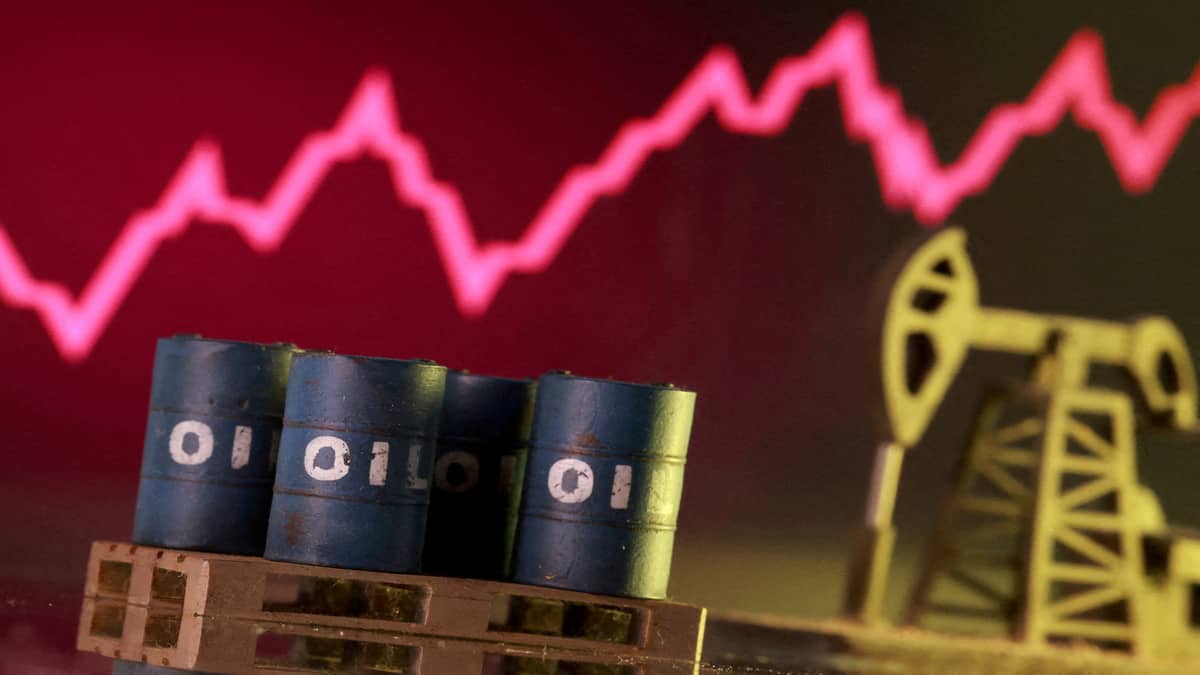
US-Iran truce expires as oil rises, bond yields climb

Brent crude crosses $90 as US-Iran conflict prolongs

West Asia Tensions Send Stocks Lower, Oil and Yields Higher
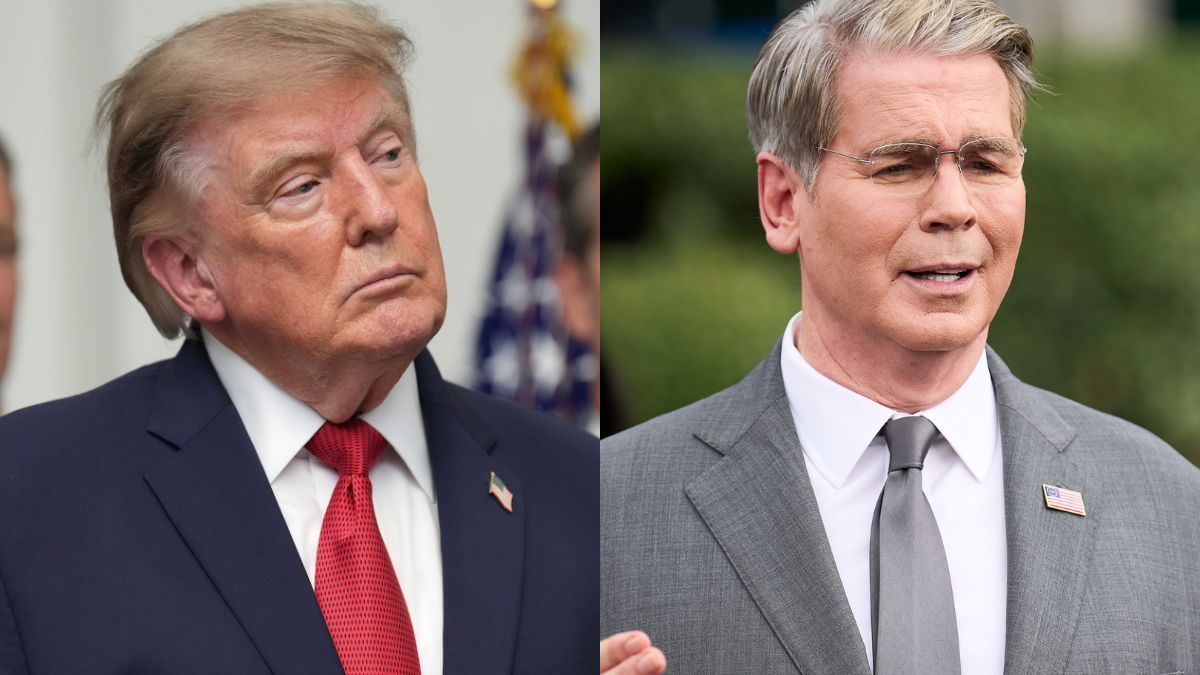
Oil Prices Near One-Month High as US Threatens Iran Sanctions

Meta’s Cambridge Analytica Settlement Leaves New Mexico Trial Ahead

Trump Election Emergency Talk Raises Fears of Federal Takeover

Americans Falling Out of Love With Israel, Polls Show

Trump suggests Fauci should be prosecuted after Rand Paul's demand
