

14 hrs ago
West Asia Tensions Send Stocks Lower, Oil and Yields Higher
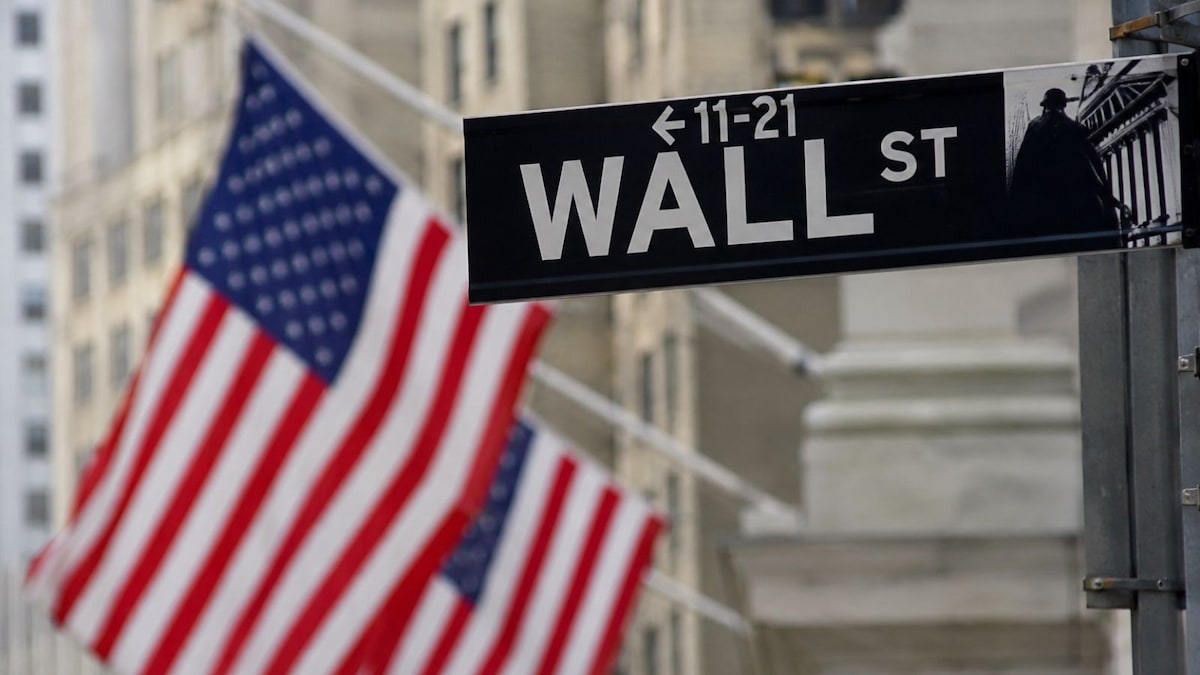
Fighting between the United States and Iran became more intense.
The United States said it carried out targeted strikes against Iran’s Revolutionary Guard.
Iran said it would respond to the attacks.
This made investors worried that the conflict could grow.
Oil became more expensive because wars can threaten supplies.
Stock markets fell in the United States and around the world.
Bond yields rose as investors reacted to higher oil prices and financial uncertainty.
Some Gulf countries also took steps to raise or access money for their governments.

The Dow Jones fell more than 400 points, while the S&P 500 dropped 0.7% and the Nasdaq Composite declined 1%.
Brent crude rose above $95 a barrel after the United States announced targeted strikes against Iran’s Revolutionary Guard.
Donald Trump warned Iran against retaliation, while an IRGC spokesperson said Iran would respond.
Global bond yields climbed, with Japan’s 10-year yield exceeding 3% and the UK’s 30-year yield reaching its highest level since March 1998.
Saudi Arabia sold $3.25 billion in bonds, while Kuwait authorized borrowing from its sovereign wealth fund amid financial pressure from the conflict.
- Who
- The United States, Iran, Donald Trump, investors, and Gulf governments including Saudi Arabia and Kuwait.
- What
- Renewed US-Iran hostilities drove oil prices higher, stocks lower, and global bond yields upward.
- Where
- The military escalation involved the United States and Iran, while market effects were reported in the United States, Europe, Japan, and the Gulf region.
- When
- The market reaction occurred on Tuesday, September 1, with the completion of the US strikes announced early Wednesday; the year is not specified.
- Why
- The strikes, Iran’s threatened response, and fears of broader conflict increased concerns about oil supplies, inflation, and government finances.
United States and Market Hawks
Iran and Market Caution
Justification for the strikes
United States and Market Hawks
Donald Trump described the US attack as a “very justified” strike and threatened a stronger response if Iran retaliated.
Iran and Market Caution
An Iranian Revolutionary Guard spokesperson said Iran would respond to the attacks, rejecting the idea that the escalation would end with the US operation.
Risk to markets
United States and Market Hawks
Higher oil prices and rising bond yields reflected concerns that the conflict could disrupt energy markets and worsen financial pressures.
Iran and Market Caution
Wells Fargo and JPMorgan took a cautious view of US stocks, while the article also noted that continued US economic expansion and manufacturing growth provided some support.
Key facts
- Dow Jones
- Fell by more than 400 points.
- Brent crude
- Rose above $95 a barrel.
- US 10-year yield
- Approached 4.8%, a level last seen in January 2025.
- Japan 10-year yield
- Exceeded 3% for the first time in three decades.
- UK 30-year yield
- Reached its highest level since March 1998.
- Saudi bond sale
- Saudi Arabia sold $3.25 billion in bonds.
- US manufacturing
- The August reading was 54.6, down from 55.6 in July but still above 50, indicating expansion.
Quotes

Donald Trump
President of the United States, who threatened Iran after US strikes
“nothing much will be left of the Islamic Republic of Iran.”
 CNBC TV 18
Sources
Related news
Dow Falls 270 Points as Oil Tops $90
Wall Street Slides as West Asia Tensions Lift Oil Prices
Dow Jones Hits Record as Oil Falls on Iran Talk Hopes
Dow Jones Falls Over 450 Points, Snapping Five-Day Winning Run

Wall Street Futures Slip as Tech Rout, Iran Tensions Weigh

Wall Street Slides as Higher Yields and Oil Rise

New foreign firms expected to drive Indian GCC headcount growth

AI Stock FOMO Grows Amid Earnings and Valuation Bubble Warnings
Dow Ends Lower as Tech, Oil Weigh Ahead of CPI

US hiring stalls: 23,000 jobs lost as wage growth slows
