58 mins ago
Modi’s ‘Dimagi Naxal’ Warning Sparks Debate Over Dissent
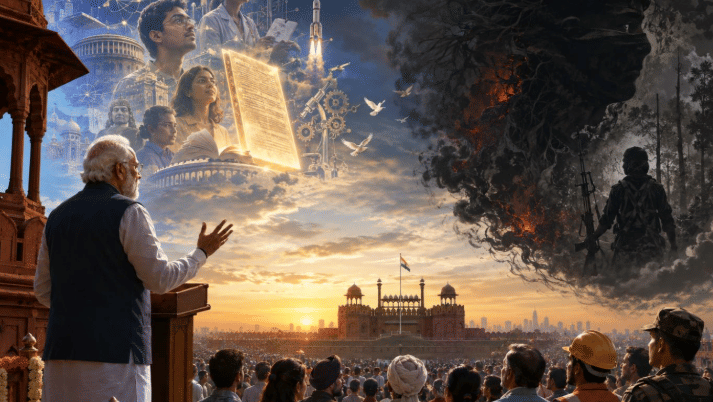
Narendra Modi used the phrase “Dimagi Naxal” while talking about Naxalism and violence.
Supporters say he meant people who defend or spread ideas that justify political violence.
They say this is different from someone who simply disagrees with the government.
The article says professors, journalists, students and opposition leaders must be free to criticize officials.
It also says ideas supporting armed revolution can be questioned, even when discussed in universities.
Critics worry that the phrase could be used to scare or label ordinary dissenters.
The article agrees that this misuse would be dangerous.
It concludes that India should protect free thought while challenging arguments that support violence.

Narendra Modi used “Dimagi Naxal” while discussing Naxalism and Maoist violence in his Independence Day address.
The phrase’s defenders say it refers to ideas that justify violence, armed revolution and political anarchy—not ordinary criticism.
Critics argue the expression risks turning intellectual disagreement and the Indian mind into objects of suspicion.
The article says professors, journalists, students and opposition leaders should not be labeled “Dimagi Naxals” merely for dissenting.
It cautions that the term should not become a political insult applied broadly to critics, historians or activists.
- Who
- Prime Minister Narendra Modi, along with critics and supporters debating his use of “Dimagi Naxal.”
- What
- Modi’s phrase has prompted a political and intellectual debate over whether it describes violent ideology or risks labeling dissent.
- Where
- At the Red Fort, in the context of India’s debate over Naxalism, universities and democratic criticism.
- When
- During Modi’s Independence Day address; the articles do not specify the year or date.
- Why
- Modi used the phrase to distinguish armed Naxalism from ideological arguments that, according to the article, justify violence and armed revolution.
Ideological Warning
Risk of Political Labeling
Meaning of “Dimagi Naxal”
Ideological Warning
Supporters say the phrase targets people who defend, propagate or normalize Naxalite violence and armed revolution, rather than ordinary critics.
Risk of Political Labeling
Critics argue that the expression can make intellectual disagreement and the Indian mind appear suspicious.
Universities and debate
Ideological Warning
Academic freedom should protect discussion, but arguments that romanticize violence or reject constitutional democracy should remain open to challenge.
Risk of Political Labeling
Universities, journalism and political dissent require broad freedom, and the phrase could intimidate scholars, students and activists.
Use by government supporters
Ideological Warning
The article says the term can retain meaning if it remains narrowly linked to the ideological defense of violence.
Risk of Political Labeling
If applied to every historian, opposition leader, activist or dissenter, it could become a political insult and validate concerns about intimidation.
Key facts
- Phrase
- “Dimagi Naxal”
- Speaker
- Prime Minister Narendra Modi
- Context
- An Independence Day address at the Red Fort
- Supporters’ interpretation
- A warning about ideology that justifies Naxalite violence and political anarchy
- Critics’ concern
- The phrase may cast intellectuals, journalists and dissenters under suspicion
- Democratic distinction
- The article says criticism of Modi, government policies or institutions is not itself Naxalism
- Publication note
- The piece was submitted by a subscriber and says it was not edited or fact-checked by ThePrint
Sources
Related news
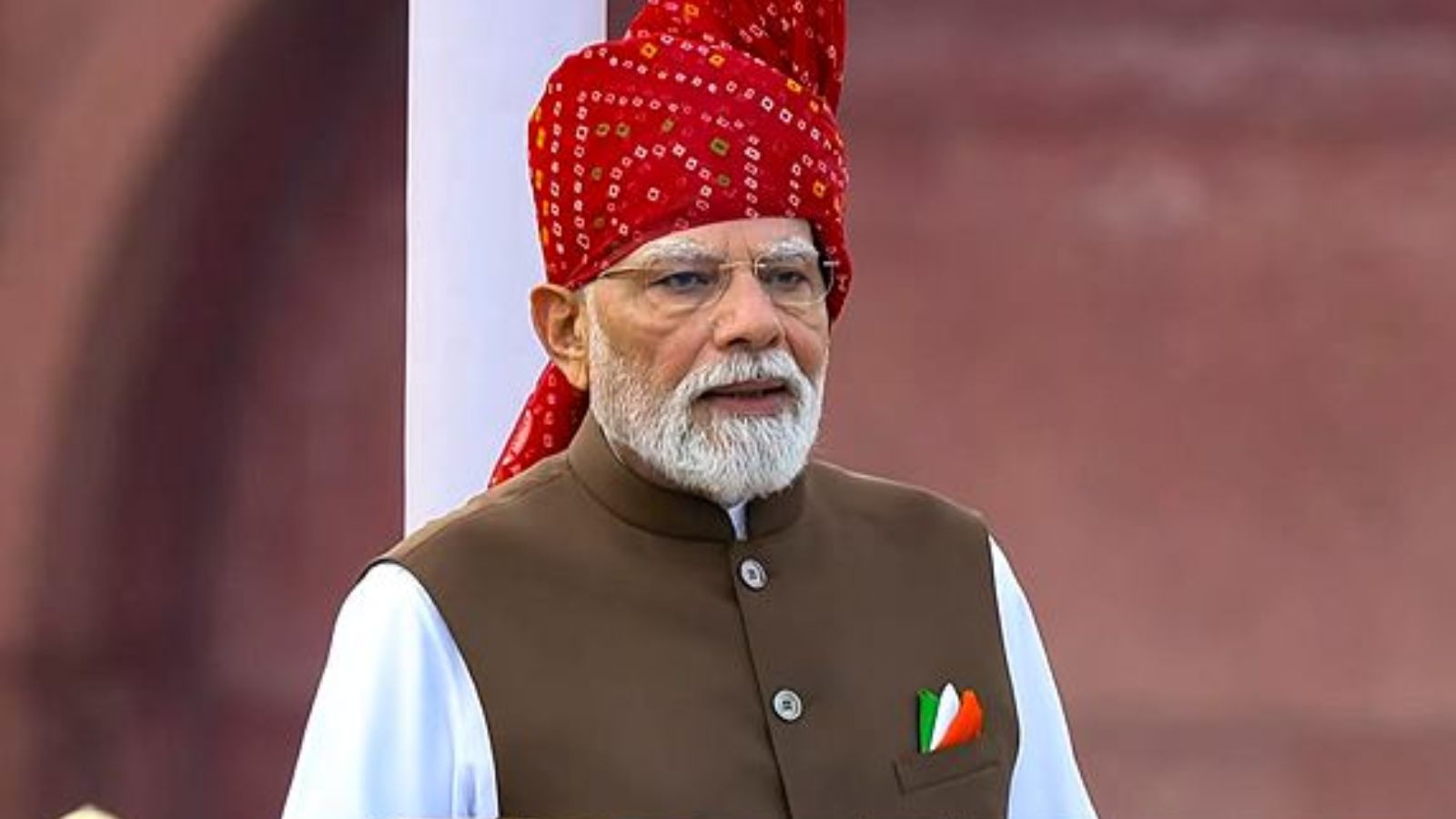
‘Dimagi Naxal’ Debate Casts Dissent as Political Threat

PM Modi urges citizens to identify, isolate 'Dimagi Naxals'
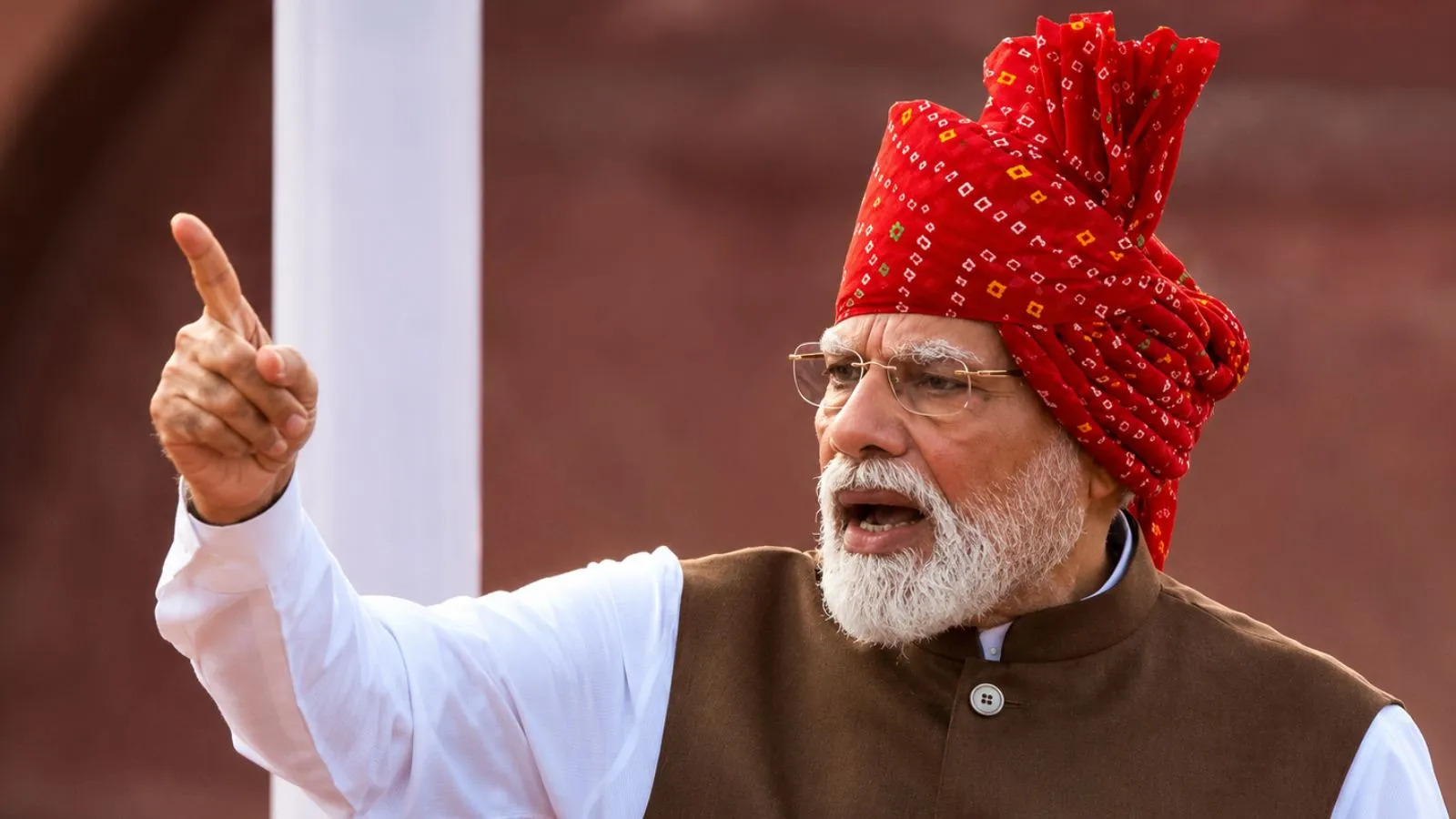
Ram Madhav Defends Modi’s ‘Dimagi Naxal’ Remark

Chidambaram proud to be 'dimagi naxal', hits back at Modi
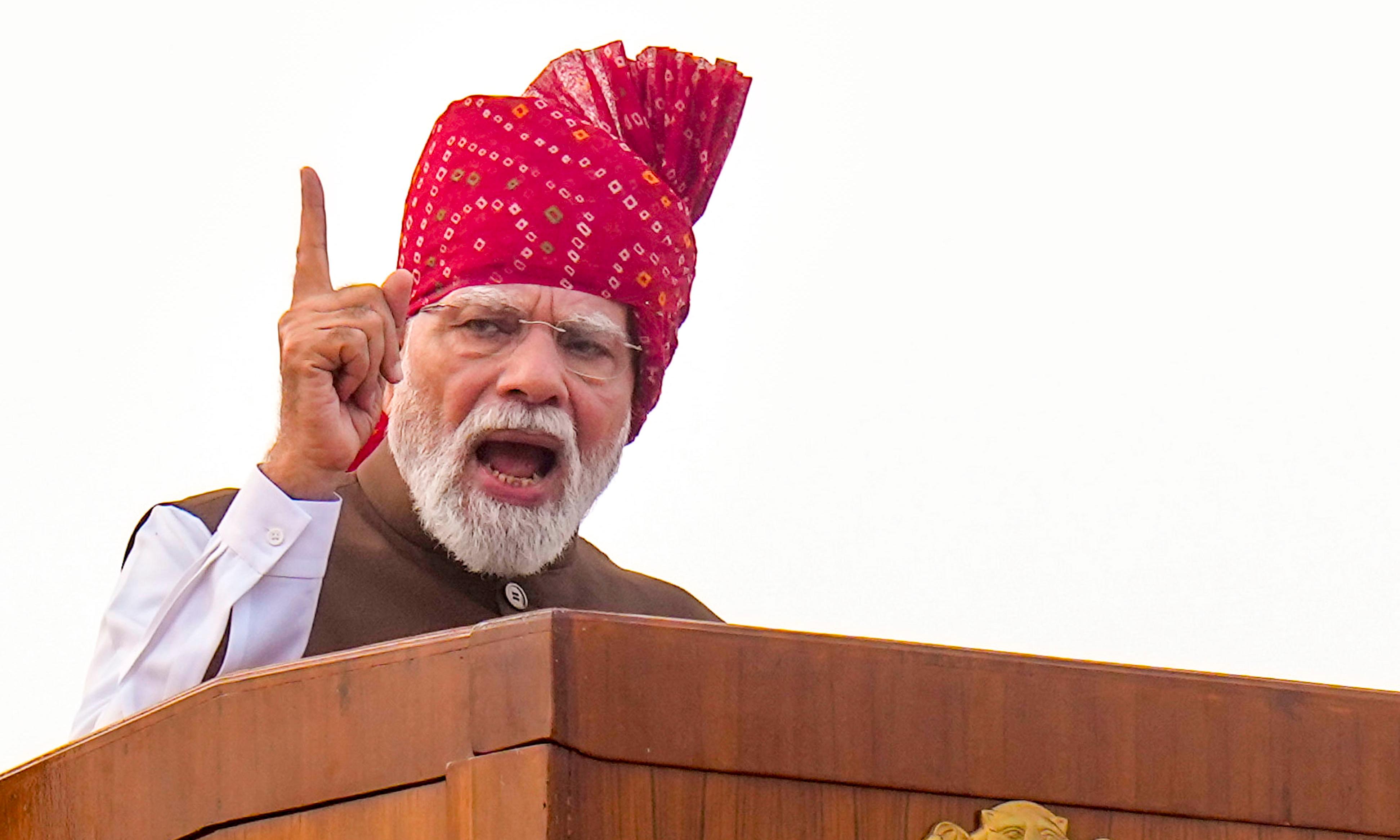
PM Modi Urges Identification, Isolation of 'Dimagi Naxals'
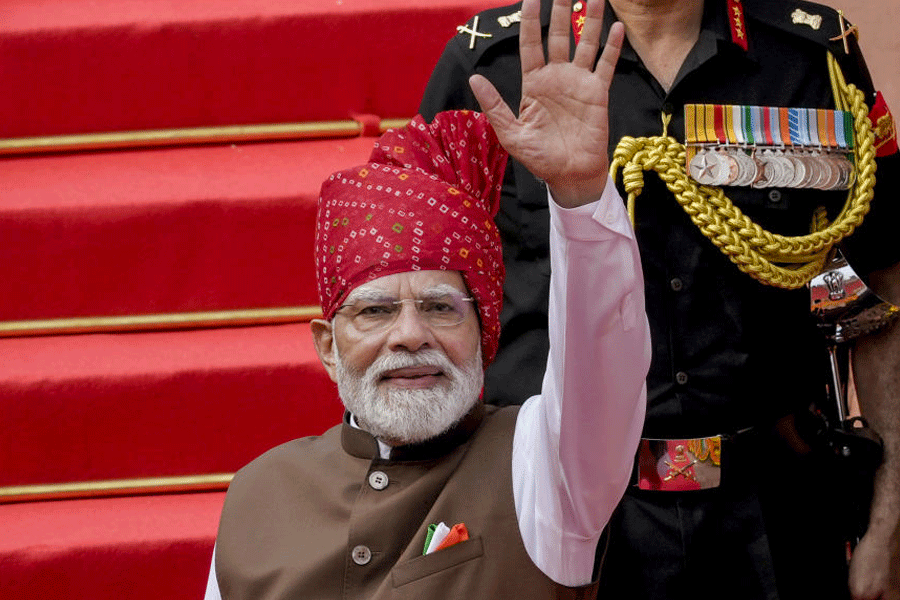
Modi's 'Dimaagi Naxal' remark sparks political row over dissent
Punjab Faces Youth Exodus, Rural Decline and Political Disillusionment

What Railway PNR Details Reveal Before Your Journey

Jyoti Yadav’s Covid Book Challenges India’s Forced Forgetting

Single-Income Families With Home Loans Should Prioritize Term Insurance