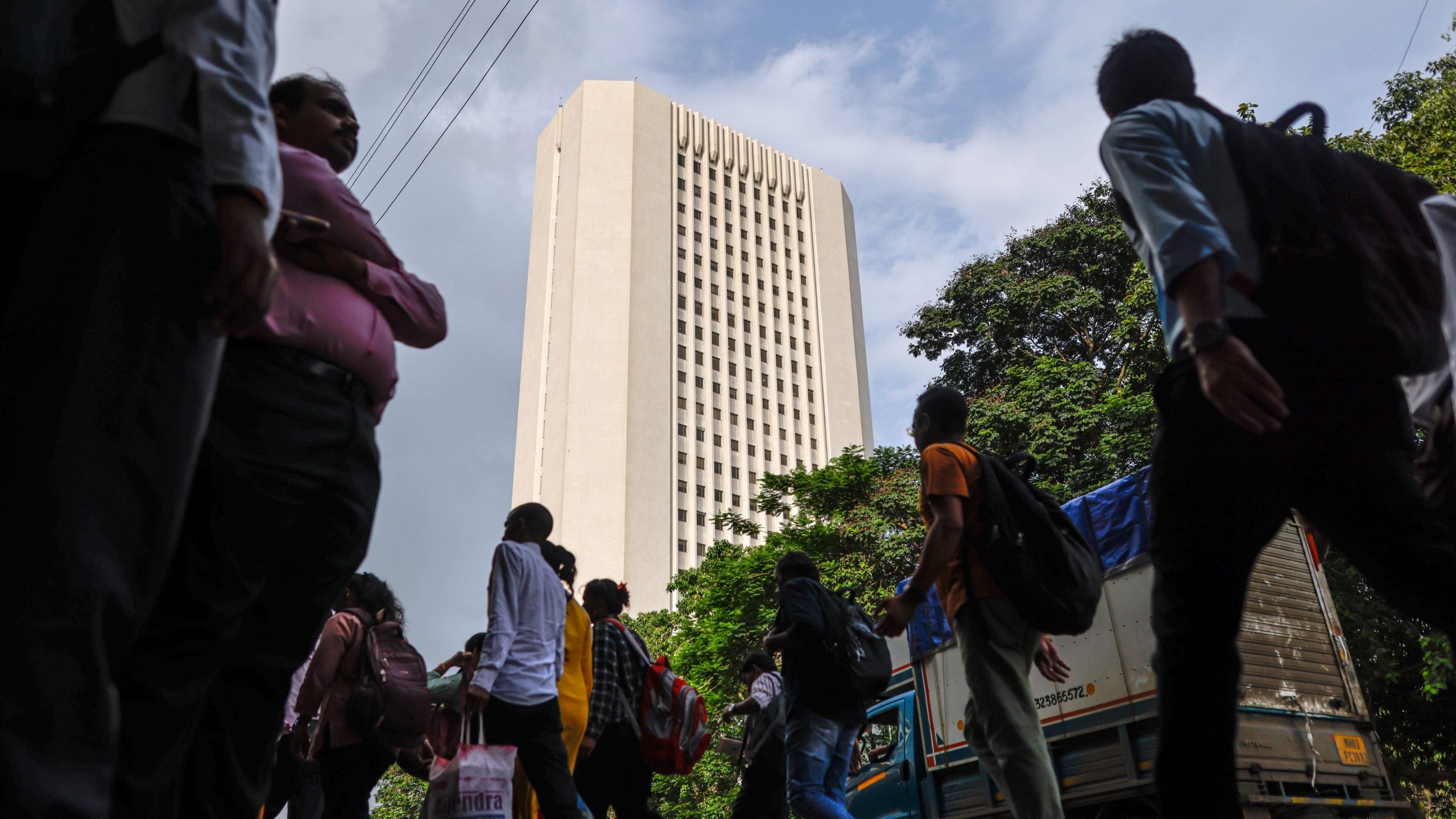
5 hrs ago
Rabi Crop Risks Put Banks’ Agricultural Loan Books in Focus

Banks lend money to farmers, and they are watching the coming Rabi growing season closely.
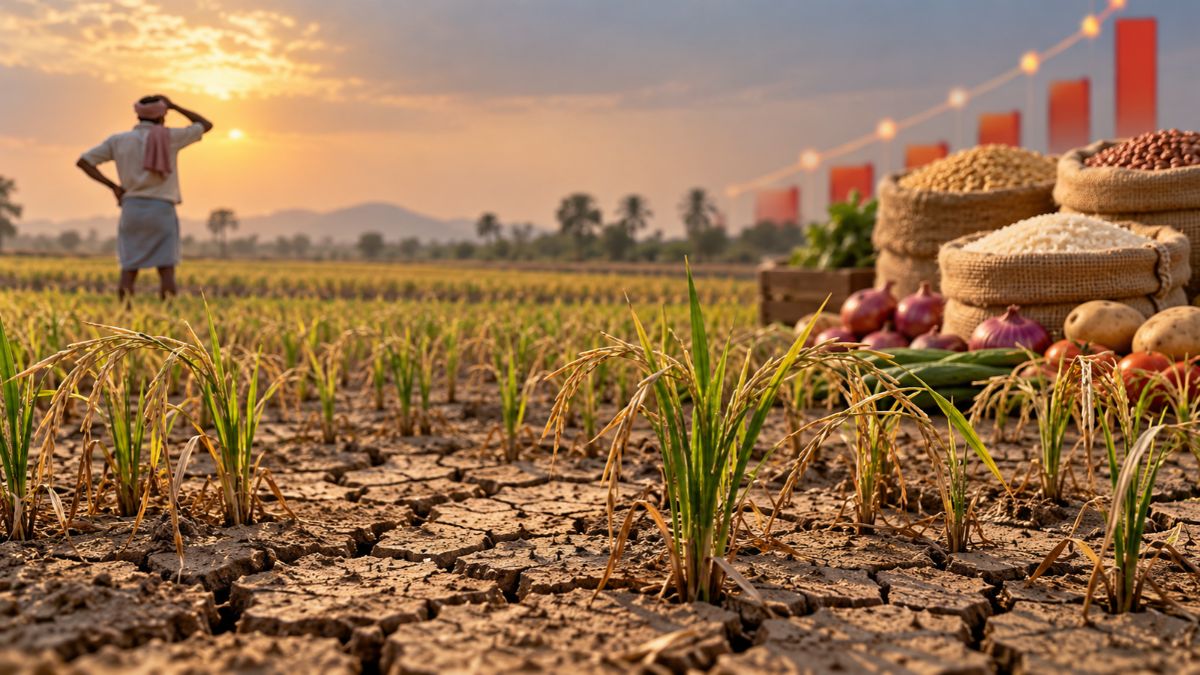
Low reservoir levels and El Niño weather conditions could make farming harder.
If farmers earn less, they may find it harder to repay loans or buy other things.
So far, banks have not seen a major rise in late payments.
Some state-owned banks have a large share of their loans connected to agriculture.
Andhra Pradesh has declared drought in many areas, and Maharashtra has asked banks to help eligible farmers with their loans.
Experts think the Rabi season could face more trouble than the Kharif season.
They also say urban spending and banks’ strong finances may help limit the wider impact.

Weak reservoir levels and El Niño conditions may put pressure on the upcoming Rabi crop season and rural cash flows.
Banks and rating agencies report no meaningful deterioration so far in rural loan repayments or delinquencies.
Public sector banks have significant agricultural exposure, ranging from 10.2% of domestic advances at State Bank of India to 36.7% at Indian Overseas Bank.
Andhra Pradesh declared drought in 388 mandals across 21 districts, while Maharashtra directed banks to restructure eligible farmers’ loans and extend fresh credit.
Analysts warn weaker rural incomes could affect demand for vehicles and consumer goods, though urban consumption may provide some support.
- Who
- Indian banks, farmers, and rural communities; the Reserve Bank of India and rating agencies are monitoring risks.
- What
- Potential weather-related stress on Rabi crops and agricultural loan repayments is bringing banks’ farm-loan exposure into focus.
- Where
- India, including drought-affected areas in Andhra Pradesh and Maharashtra.
- When
- Ahead of the upcoming Rabi season; the RBI policy announcement was made on Wednesday.
- Why
- Weak monsoon conditions, strong El Niño conditions, and low reservoir levels could reduce crop output and rural cash flows.
Potential risks
Reasons for reassurance
Agricultural loan quality
Potential risks
Weak rainfall, low reservoirs, and El Niño could hurt Rabi crops and rural cash flows, creating pressure on agricultural borrowers.
Reasons for reassurance
Banks and Crisil Ratings have not seen meaningful deterioration in repayments or delinquencies so far; State Bank of India’s chairman does not expect major system-wide asset-quality risks.
Wider effects on demand and lenders
Potential risks
Lower rural cash flows could weaken demand for tractors, two-wheelers, consumer goods, agrochemicals, and commercial vehicles, and higher delinquencies could raise credit costs.
Reasons for reassurance
Urban consumption is expected to cushion overall demand, while larger banks and NBFCs have diversified portfolios and capital buffers that may limit effects on their credit profiles.
Key facts
- Indian reservoir levels
- Reported at an 11-year low due to a rainfall shortfall.
- Indian Overseas Bank
- Agricultural advances were Rs 1.12 lakh crore, or 36.7% of domestic advances, as of June-end.
- State Bank of India
- Agricultural advances were Rs 4.37 lakh crore, or 10.2% of domestic advances, as of June-end.
- Andhra Pradesh drought declaration
- 388 mandals across 21 districts were declared drought-affected.
- Maharashtra loan measures
- The state-level bankers’ committee directed banks to restructure eligible farmers’ loans and provide fresh and additional credit.
- Kharif crop
- Crisil Ratings said the crop had been around 90% of average so far.
- Current repayment trends
- Crisil Ratings reported no meaningful impact so far on rural portfolio delinquencies or collection behaviour.
Quotes
K Ravichandran
Chief Rating Officer at ICRA.
“Rural cash flows will be impacted. While Kharif would by and large be okay, Rabi season would see maximum impact. Reservoir levels are also not that encouraging.”
 financialexpress.com
“There could be some impact on the agricultural portfolio, but broadly, on the system level, I don’t foresee major risks on asset quality.”
financialexpress.com
Sources
Related news

Drought Prompts Caution as Microfinance Risks Rise in Karnataka, Maharashtra

Crisil sees resilient India Inc despite monsoon and war risks
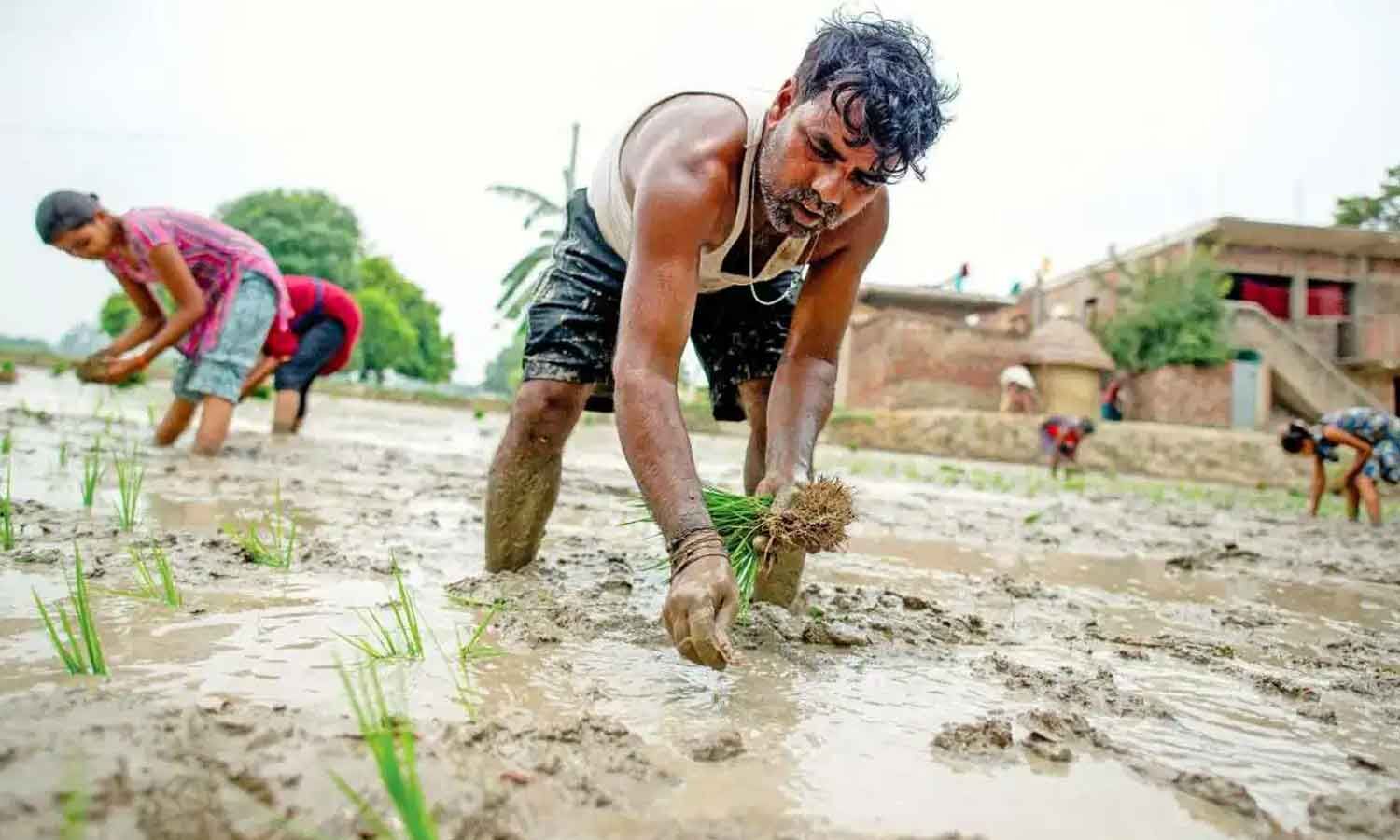
El Nino Threatens Rainfed Rabi Crops, Foodgrain Output Official Warning
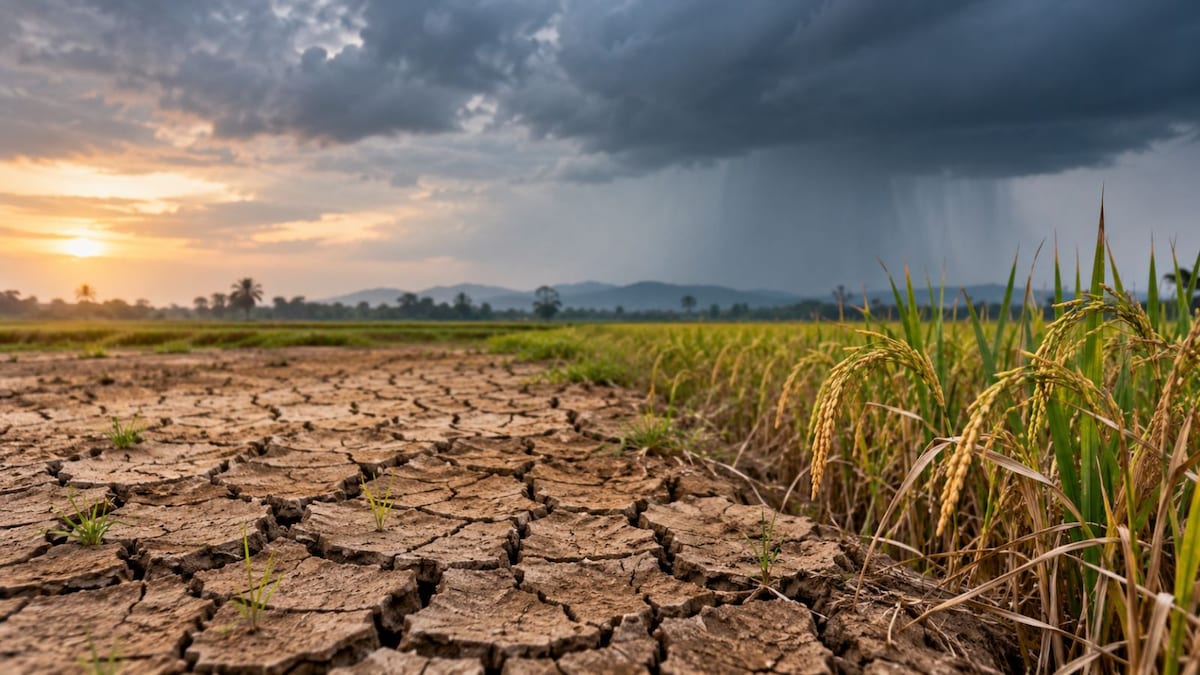
India's Weakest Monsoon Threatens Crops, Prices and Rural Demand
El Niño Rainfall Deficit Threatens Sugar, Farms and Rural Demand
India’s 13% Monsoon Deficit Raises Crop and Inflation Fears
RBI Schedules ₹25,000 Crore Bond Sale for October 13
RBI Raises Daily CRR Maintenance Requirement to 99%

Why India’s Forex Reserves Fell Despite Record FCNR(B) Inflows

Rupee Slips to 96.88 as Global Risks Weigh