20 hrs ago
Rupee Near Record Low as RBI Defences Face Pressure
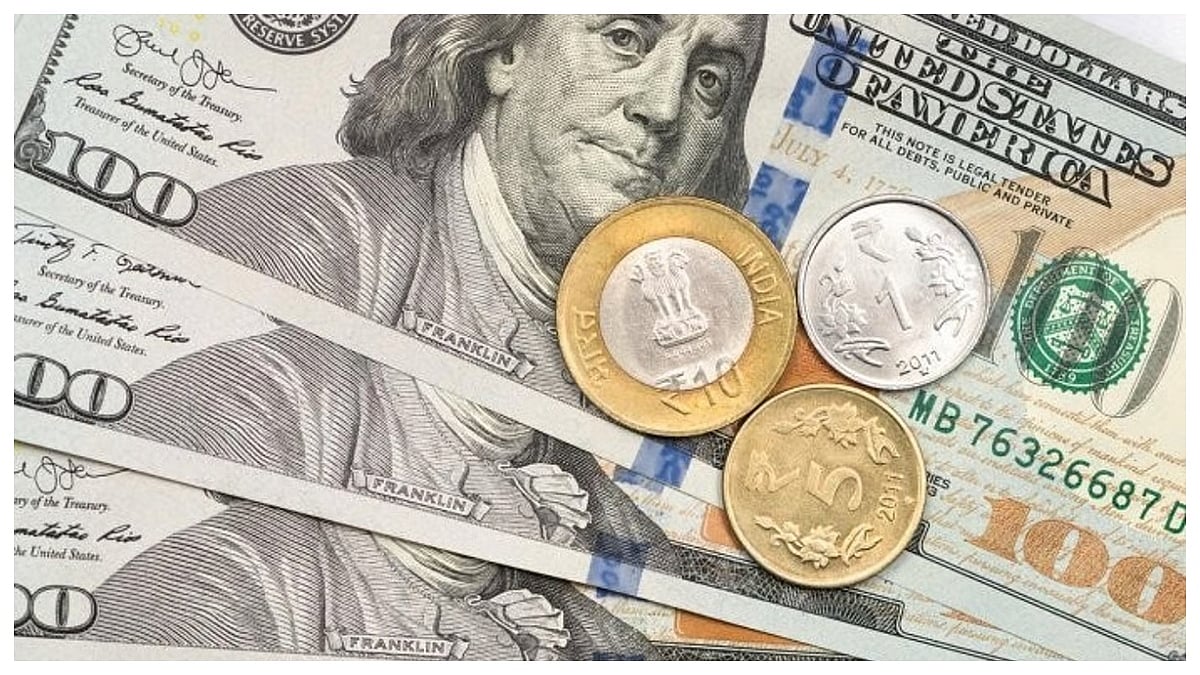
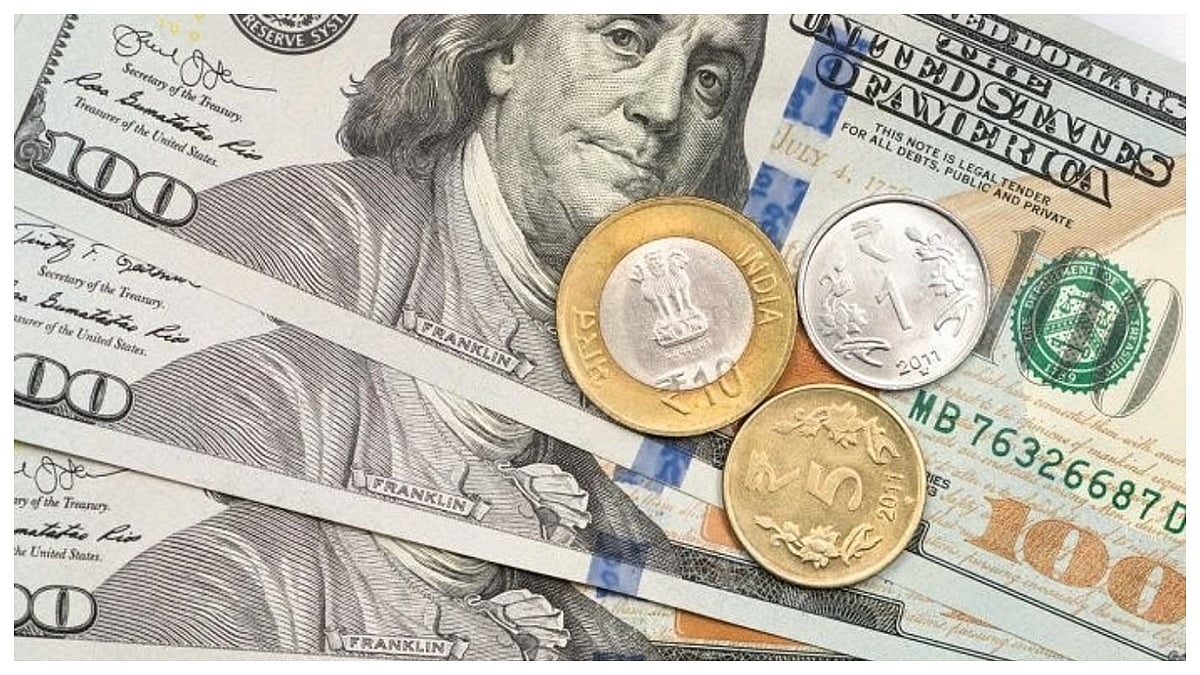
The Indian rupee is close to its weakest level against the US dollar.
The Reserve Bank of India has been selling dollars and using other tools to slow the rupee’s fall.
India’s reported foreign-exchange reserves dropped by about $51 billion over four weeks.
The RBI also raised interest rates, but the rupee remained under pressure.
Articles cited high oil prices, foreign investors selling Indian shares, and a stronger US dollar as some of the pressures.
Governor Sanjay Malhotra said the reserves could cover about 11 months of imports.
Some analysts are more worried and say the rupee could fall further if it passes ₹97 per dollar.
Another bank forecast a range of ₹96 to ₹98 for the second half of the fiscal year.

The rupee traded around ₹96.68–₹97 per dollar, close to its reported record low of ₹96.97.
Foreign-exchange reserves fell about $51 billion in four weeks, to $734 billion in the week ended October 2, from $785 billion in the week ended September 4.
The RBI has sold dollars in the spot market and used sell/buy swaps; traders said both measures contributed to the reserve decline.
The RBI raised rates for the first time in almost four years and shifted to calibrated tightening, but the rupee continued to face pressure.
Market views differ: Governor Sanjay Malhotra said reserves provide around 11 months of import cover, while Mecklai warned a break above ₹97 could take the rupee towards ₹98.50.
- Who
- The Reserve Bank of India, Governor Sanjay Malhotra, and market analysts and traders quoted in the reports.
- What
- The rupee is nearing its reported record low as RBI interventions and a rate increase have not stopped downward pressure; reserves have also fallen.
- Where
- India and its foreign-exchange market.
- When
- Reserves were reported at $734 billion in the week ended October 2, down from $785 billion in the week ended September 4; the reports describe the rupee's decline this year as more than 7%.
- Why
- The reports cite elevated oil prices, foreign equity outflows, a stronger US dollar and other broader market pressures.
RBI reassurance
Market concerns
Reserve adequacy
RBI reassurance
Governor Sanjay Malhotra said reserves remain adequate, with around 11 months of import cover.
Market concerns
Reserves fell about $51 billion in four weeks, and Bloomberg reported that more than a third of the $133 billion drawn through the special dollar-deposit window had already left the reserve pile.
Rupee outlook
RBI reassurance
Malhotra said the rupee may be undervalued and markets can behave irrationally in the short run.
Market concerns
Mecklai warned that a break above ₹97 could take the rupee towards ₹98.50; HDFC Bank forecast a ₹96–₹98 range for the second half of the fiscal year.
Effect of rate hikes
RBI reassurance
The RBI shifted to calibrated tightening, signalling that further rate hikes could follow as price pressures intensify.
Market concerns
The rupee remained under pressure, and HDFC Bank economist Sakshi Gupta said rate hikes offer a weak short-term defence against broader forces.
Key facts
- Rupee trading level
- Around ₹96.68–₹97 per dollar
- Reported record low
- ₹96.97 per dollar
- Foreign-exchange reserves
- $734 billion in the week ended October 2
- Recent reserve high
- $785 billion in the week ended September 4
- Four-week reserve decline
- About $51 billion
- Import cover
- Around 11 months, according to Governor Sanjay Malhotra
- Foreign equity sales
- Almost $30 billion of Indian equities sold by foreign investors this year
- Currency forecasts
- HDFC Bank sees ₹96–₹98 in the second half of the fiscal year; Mecklai warned of ₹98.50 if ₹97 is breached
Quotes
Ritesh Bhansali
Deputy chief executive officer at Mecklai Financial Services.
“Interest-rate hikes offer a weak defence in the short term for the currency and the weakness in being driven by broader factors including oil prices, equity valuations and FII outflows, AI trade and US dollar strength.”
 theprint.in
“The central bank has been put into a very difficult spot and to my mind the only way out of this spiral is to hike rates sufficiently like about a 100 basis points in one go.”
theprint.in
Sources
Related news
Rupee Hits Two-Month Low as RBI Sells Dollars

India’s Forex Reserves Suffer Record Drop as RBI Supports Rupee
Rupee Near 96 as Oil Prices and Foreign Outflows Weigh

Why India’s Forex Reserves Fell Despite Record FCNR(B) Inflows
Rupee Falls 3 Paise as RBI Holds 96 Level
Rupee Recovers From Eight-Week Low on RBI, Inflows

Rupee Slips to 96.88 as Global Risks Weigh
RBI Raises Repo Rate as Industry Seeks Affordable MSME Credit

Payment Stocks Slide as UPI Merchant Fee Plans Face Uncertainty