2 hrs ago
Why Protesters in India Must Seek Permission to Demonstrate

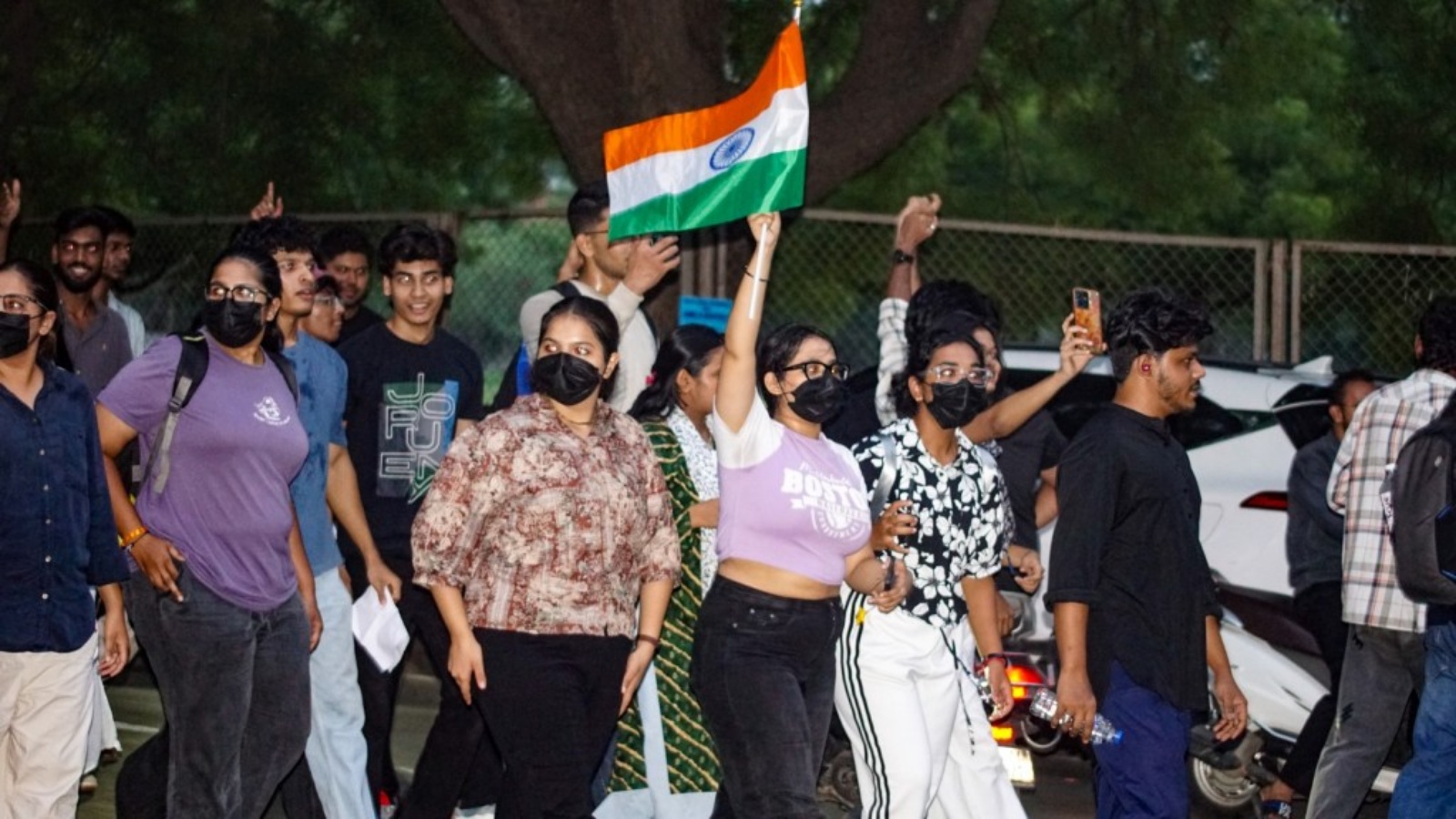
India’s Constitution protects people’s ability to speak and gather peacefully.
But, according to this article, people often have to get police permission before holding a protest.
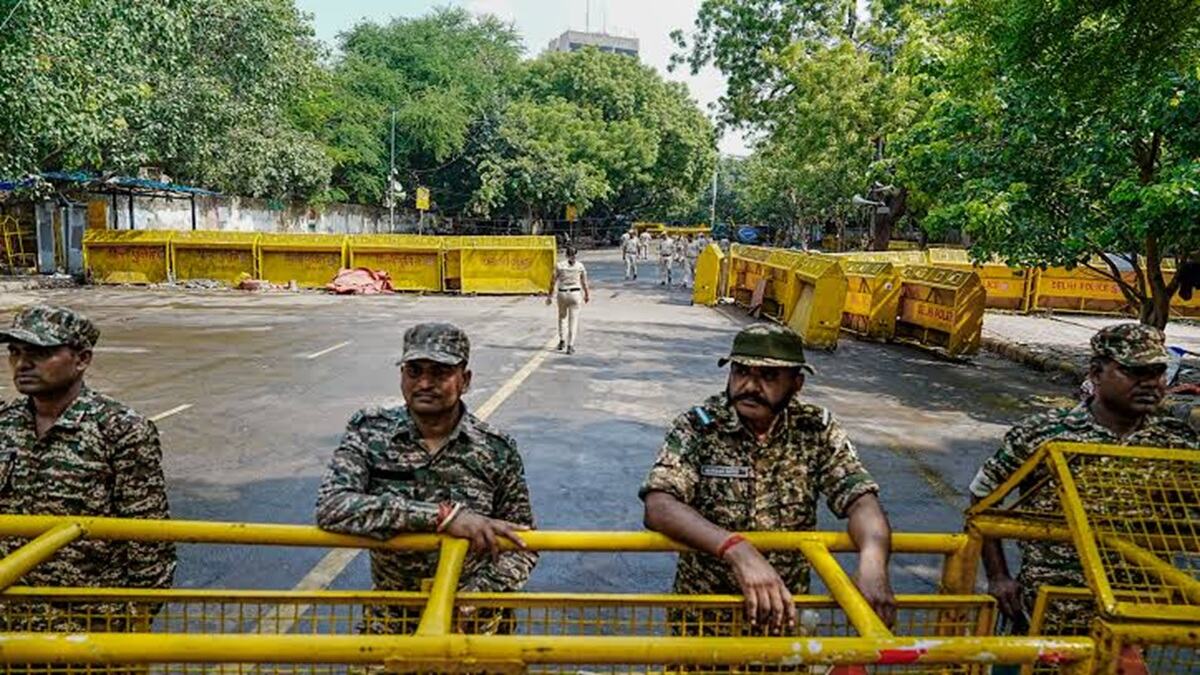
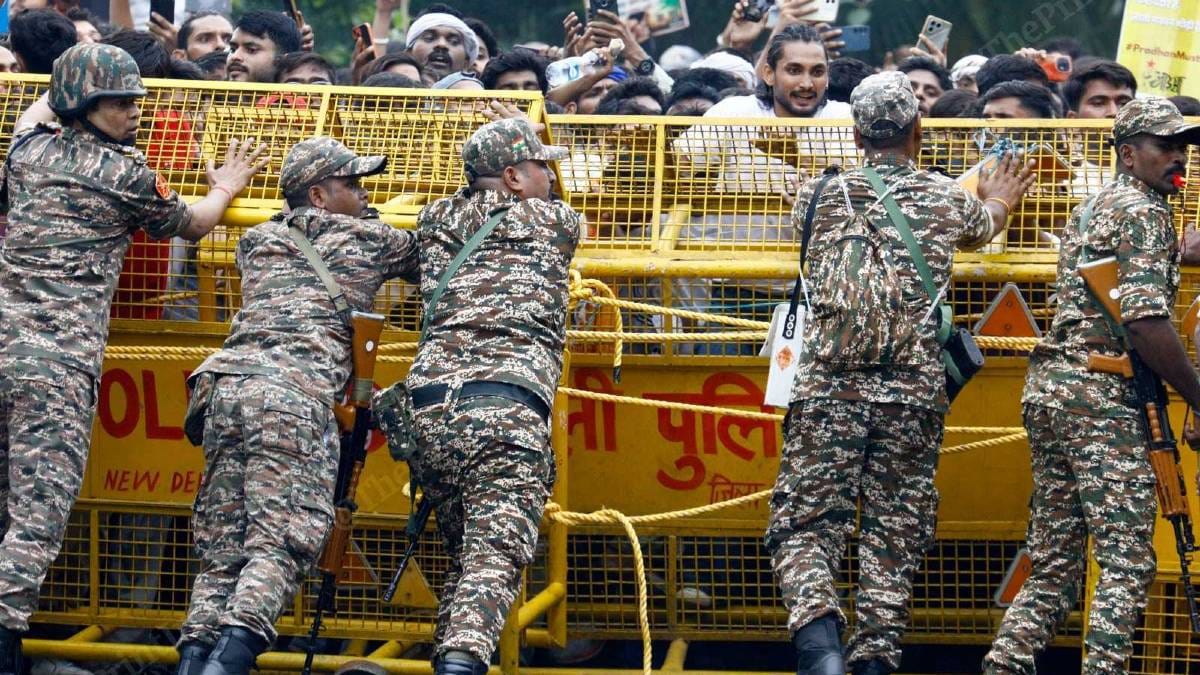
The author says officials may limit where and when people can gather, or refuse permission for reasons such as security or traffic.
Courts have supported the right to protest while also allowing some rules about how protests happen.
The article says that moving protests away from government buildings can make them easier for leaders to ignore.
Social media can spread a message, but the author argues that people gathering together also shows how many share a concern.
The author believes police should help keep people safe without taking away the right to protest.
He says refusals should explain specific dangers and be open to quick review.

India’s Constitution protects peaceful speech and assembly, but the article says protests commonly require police permission.
The author traces permit requirements to colonial-era laws and describes emergency powers as being used routinely to restrict gatherings.
Supreme Court rulings have affirmed peaceful protest while also allowing limits on venues, routes, numbers and timings.
The article argues that moving demonstrations from Boat Club to Jantar Mantar has put protests farther from political power.
Prem Panicker says physical gatherings remain important and calls for notification and justified, reviewable restrictions instead of blanket refusals.
- Who
- Prem Panicker discusses citizens seeking to protest and the authorities that regulate demonstrations.
- What
- An opinion article argues that police-permission requirements and restrictions have narrowed the practical right to protest in India.
- Where
- India, with particular focus on protest venues in New Delhi, including Boat Club and Jantar Mantar.
- When
- The article discusses the history of protest regulation and current restrictions, including events described in 2026.
- Why
- The author argues that safety and public convenience can justify limited regulation, but should not be used as vague grounds to deny peaceful protests.
Protesters’ rights and access
Public safety and regulation
Permission versus notification
Protesters’ rights and access
The author argues citizens should notify the State of a protest rather than need its permission to exercise a constitutional right.
Public safety and regulation
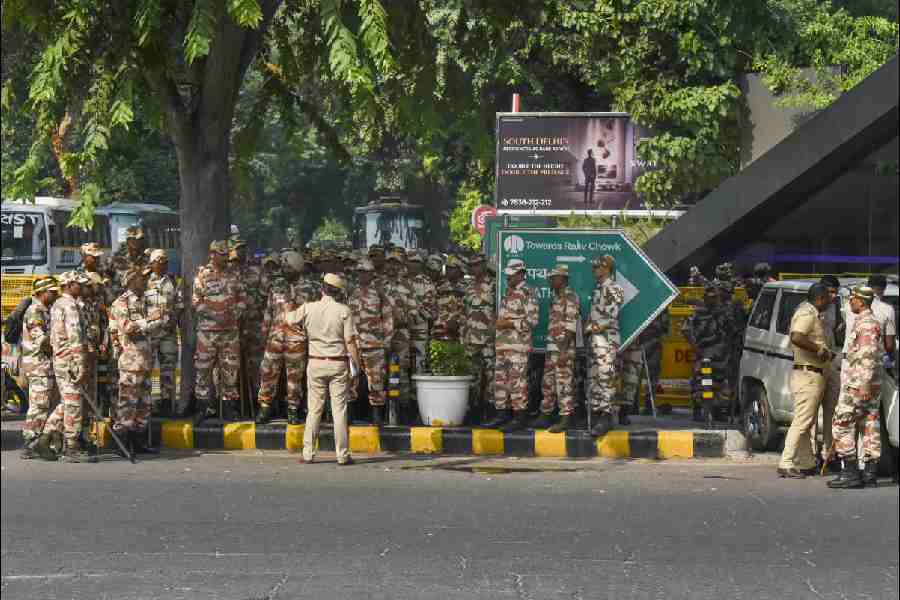
A police official cited in the article says advance applications help authorities plan traffic diversions, preserve emergency routes, protect participants and prevent clashes.
Protest venues and disruption
Protesters’ rights and access
The author says demonstrations must be able to reach decision-makers and make public support visible; moving them to distant or confined sites can weaken them.
Public safety and regulation
Authorities and supporters of restrictions cite security, traffic, noise and inconvenience; the article acknowledges that a prolonged highway blockade affected commuters’ rights.
Key facts
- Constitutional provisions
- Articles 19(1)(a) and 19(1)(b), covering speech and expression and peaceful assembly
- Colonial-era law
- The Police Act was introduced in 1861; the article says a licensing provision was introduced in 1895.
- Emergency powers
- Section 144 of the Code of Criminal Procedure is described as having similar powers to Section 163 of the Bharatiya Nagarik Suraksha Sanhita.
- Former protest venue
- Boat Club protests were banned in 1993, and Jantar Mantar became the capital’s principal protest venue, according to the article.
- Jantar Mantar ban
- The National Green Tribunal banned protests there in 2017; the Supreme Court lifted the ban in July 2018.
- Author’s proposed approach
- Citizens should notify authorities; restrictions should identify specific risks, explain why narrower measures are insufficient, and be open to timely independent review.
Quotes

Kiran Bedi
Former Indian Police Service officer cited in the article advocating a change of protest venue.
“Jantar Mantar is too close to Parliament”
 rediff.com
Sources
Related news

Delhi Police Denies CJP Protest Permit, Citing Safety Concerns
Gujarat High Court to Examine Limits on Refusing Protest Permissions
Delhi Police Denies CJP Protest Permission, Seeks Metro Restrictions
Delhi Denies Protest Permission, Tightens Security Ahead of Demonstration

Supreme Court Asks Centre to Consider Alternative Protest Venue
Mumbai Police Deny CJP Protest, Founder Threatens Jail Bharo

Contempt Plea Filed Over Delhi Metro and Rail Shutdowns

AI in Courtrooms: Balancing Efficiency With Judicial Safeguards
Transport Restrictions Put Access to Political Protest in Focus
INDIA Bloc Seeks Election Chief’s Removal and SIR Halt