1 hr ago
Delhi Protest Denied as Supreme Court Urges Proportionate Transit Restrictions
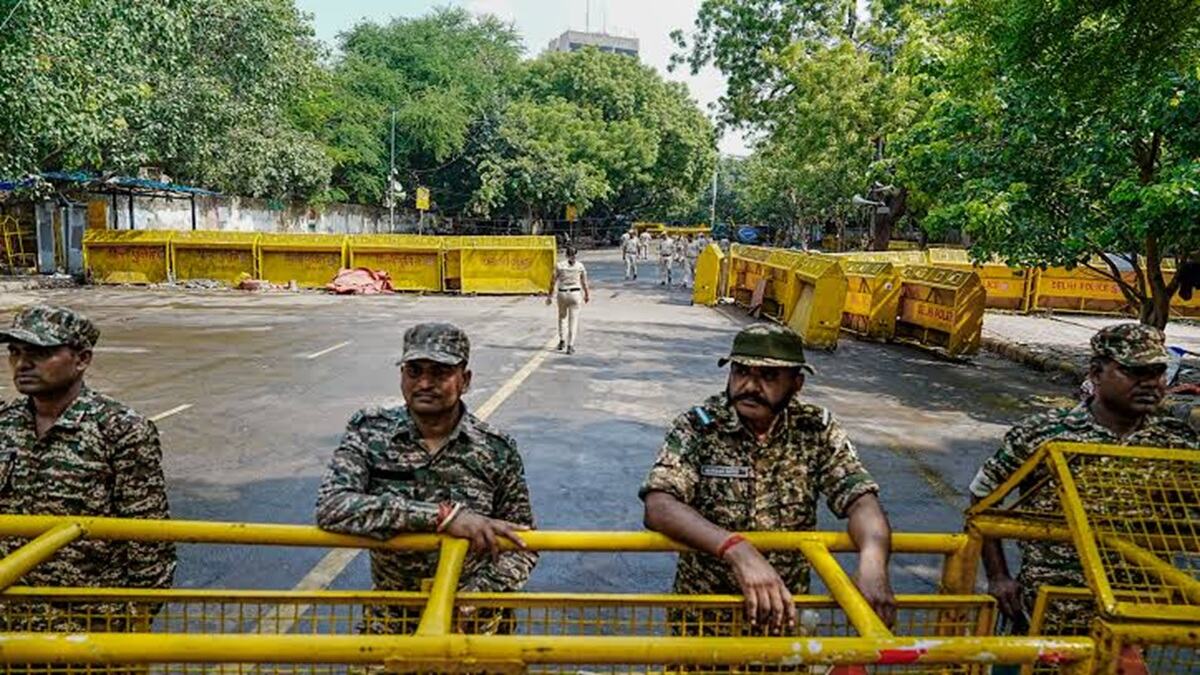
A political party planned a protest in Delhi for October 10.
It wants the chief election official to resign, saying there were problems with changes to voter lists.
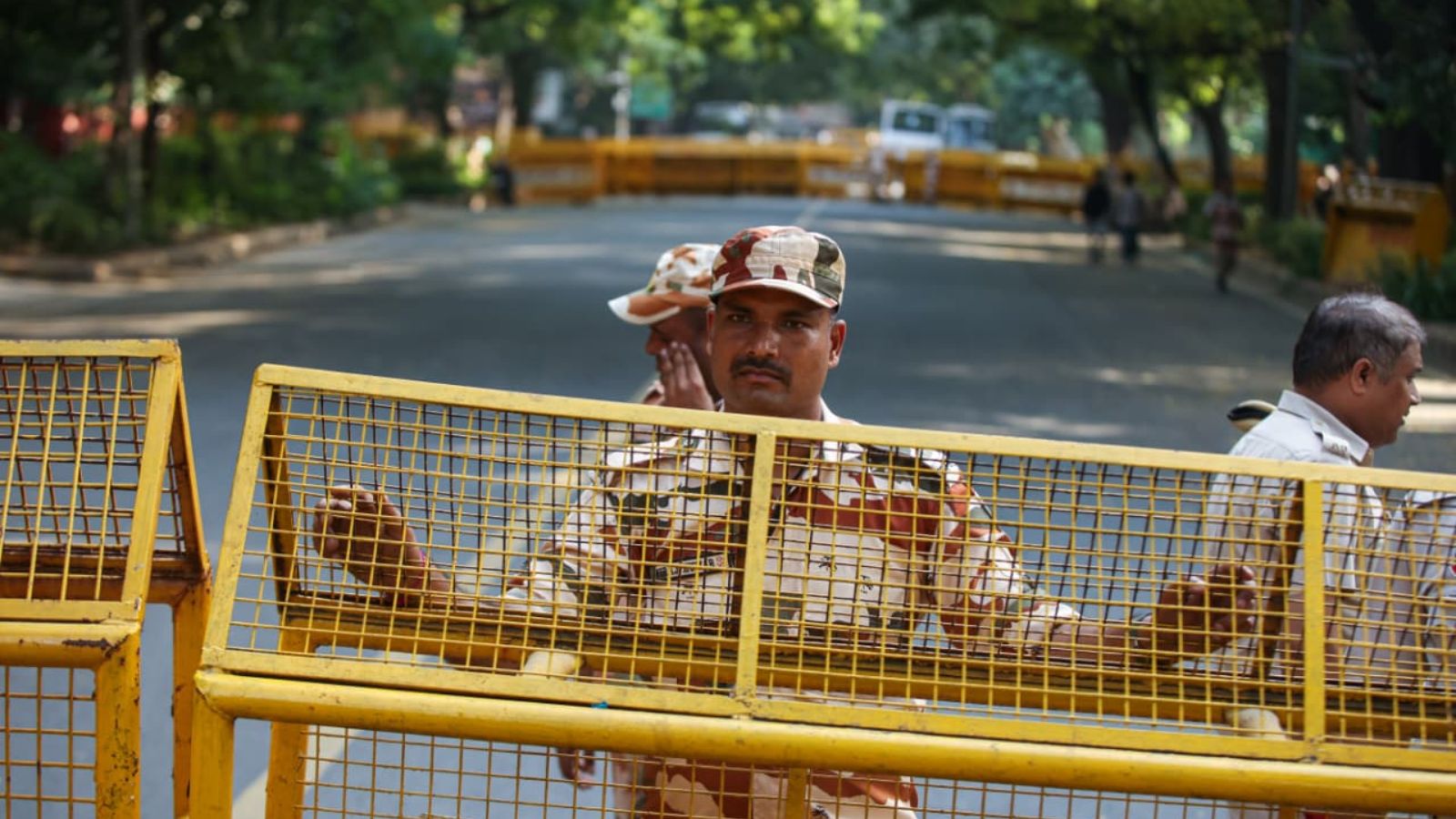
Delhi Police refused permission for the protest, citing procedural rules and court directions.
The central government asked states and territories to work with Delhi Police on security.
A petition also challenged limits on trains and metro services and alleged that some people travelling to the protest were stopped.
The Supreme Court said metro services should not be completely shut down.
It said any limits should be proportionate.
The court said its immediate concern was how restrictions affect ordinary commuters.

Delhi Police denied the Cockroach Janta Party’s request to protest at Jantar Mantar on October 10, citing procedural non-compliance and Supreme Court directions.
The party and student groups, including the All India Students’ Association, are demanding Chief Election Commissioner Gyanesh Kumar’s resignation over alleged electoral-roll revision irregularities.
Union Home Secretary Govind Mohan urged states and Union Territories to coordinate with Delhi Police and take lawful preventive measures.
A petition by CPI(M) General Secretary M. A. Baby challenged metro station closures, train cancellations and alleged interception or detention of protest-bound travellers.
The Supreme Court said metro services should not be completely prohibited and that any restrictions should be proportionate.
- Who
- The Cockroach Janta Party, student groups including the All India Students’ Association, Delhi Police, and the Supreme Court.
- What
- A planned protest was denied permission, while the Supreme Court urged authorities not to impose a complete ban on metro movement.
- Where
- Jantar Mantar and other designated protest sites in Delhi; the petition also concerned Delhi metro stations and trains serving New Delhi and Hazrat Nizamuddin.
- When
- The protest was scheduled for October 10; Delhi Police denied permission on October 9.
- Why
- The protest calls for Chief Election Commissioner Gyanesh Kumar’s resignation over alleged irregularities in the Special Intensive Revision of electoral rolls; authorities cited procedural and public-order concerns.
Protest and commuter access
Security and public order
Limits on metro and rail services
Protest and commuter access
The petition challenged metro station closures and train cancellations, and the Supreme Court warned that a complete metro shutdown could disrupt ordinary commuters.
Security and public order
The Union Home Secretary cited concerns about supporters entering Delhi despite the denial and urged lawful preventive measures and coordination with police.
Holding the planned protest
Protest and commuter access
The party and student groups called for a protest to demand the chief election commissioner’s resignation over alleged electoral-roll revision irregularities.
Security and public order
Delhi Police denied permission, citing procedural non-compliance and Supreme Court directions governing assemblies in the area.
Key facts
- Protest date
- October 10
- Planned location
- Jantar Mantar and other designated sites in Delhi
- Permission decision
- Delhi Police denied the request on October 9
- Protest demand
- Resignation of Chief Election Commissioner Gyanesh Kumar
- Related petition
- Filed by CPI(M) General Secretary M. A. Baby
- Supreme Court guidance
- No complete prohibition on metro movement; restrictions should be proportionate
- Union Home Secretary
- Govind Mohan
Quotes

Supreme Court bench
A bench led by Chief Justice Surya Kant, hearing a petition about restrictions on travel to Delhi.
“No complete prohibition of movement of metro should be imposed”
 financialexpress.com
Sources
Related news
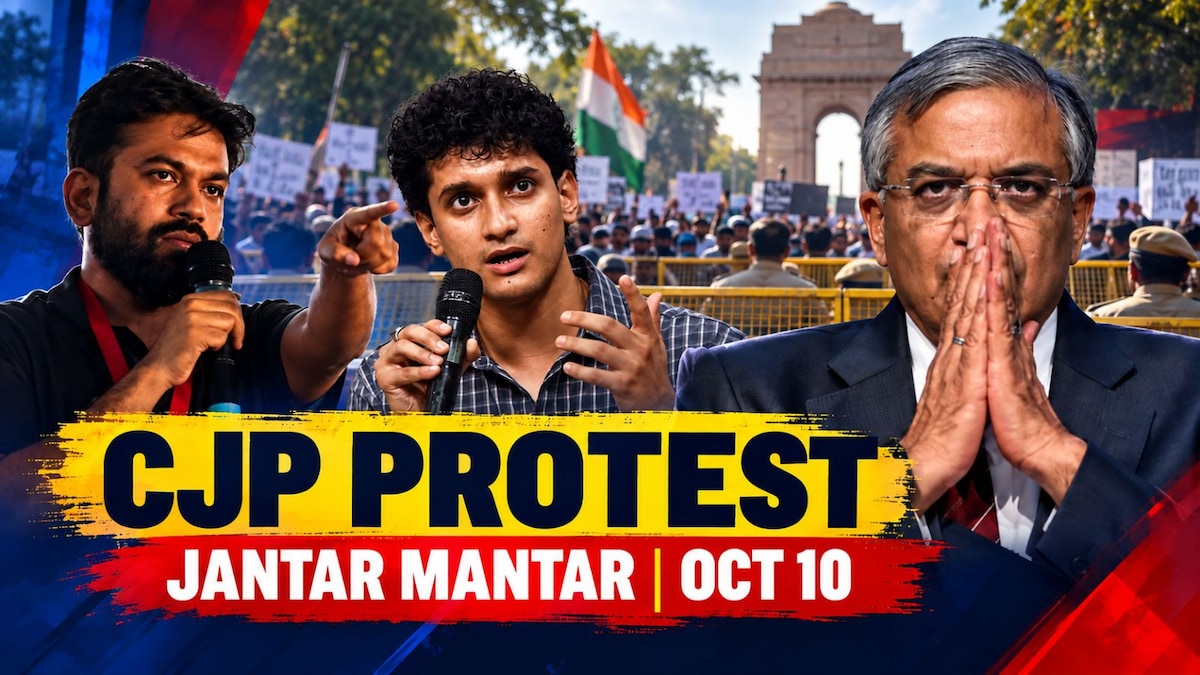
Delhi Tightens Security Ahead of CJP Electoral Rolls Protest
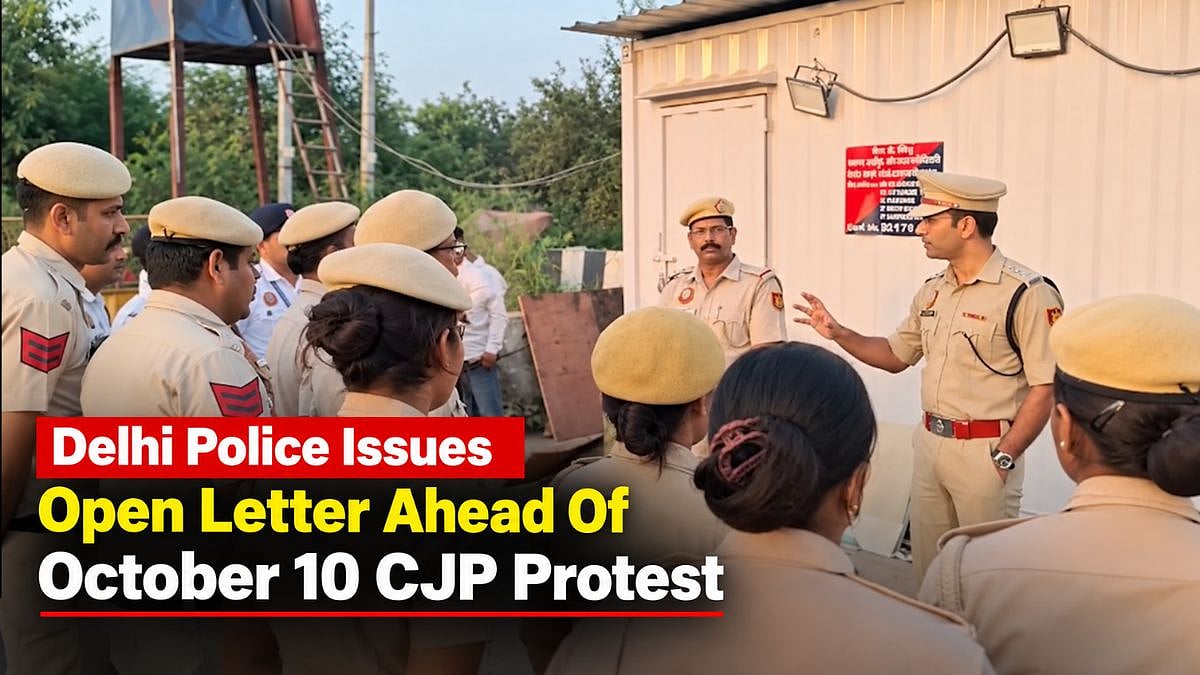
Delhi Police Denies CJP Protest Permission Ahead of October 10

Delhi Tightens Security for CJP Protest, Disrupting Travel
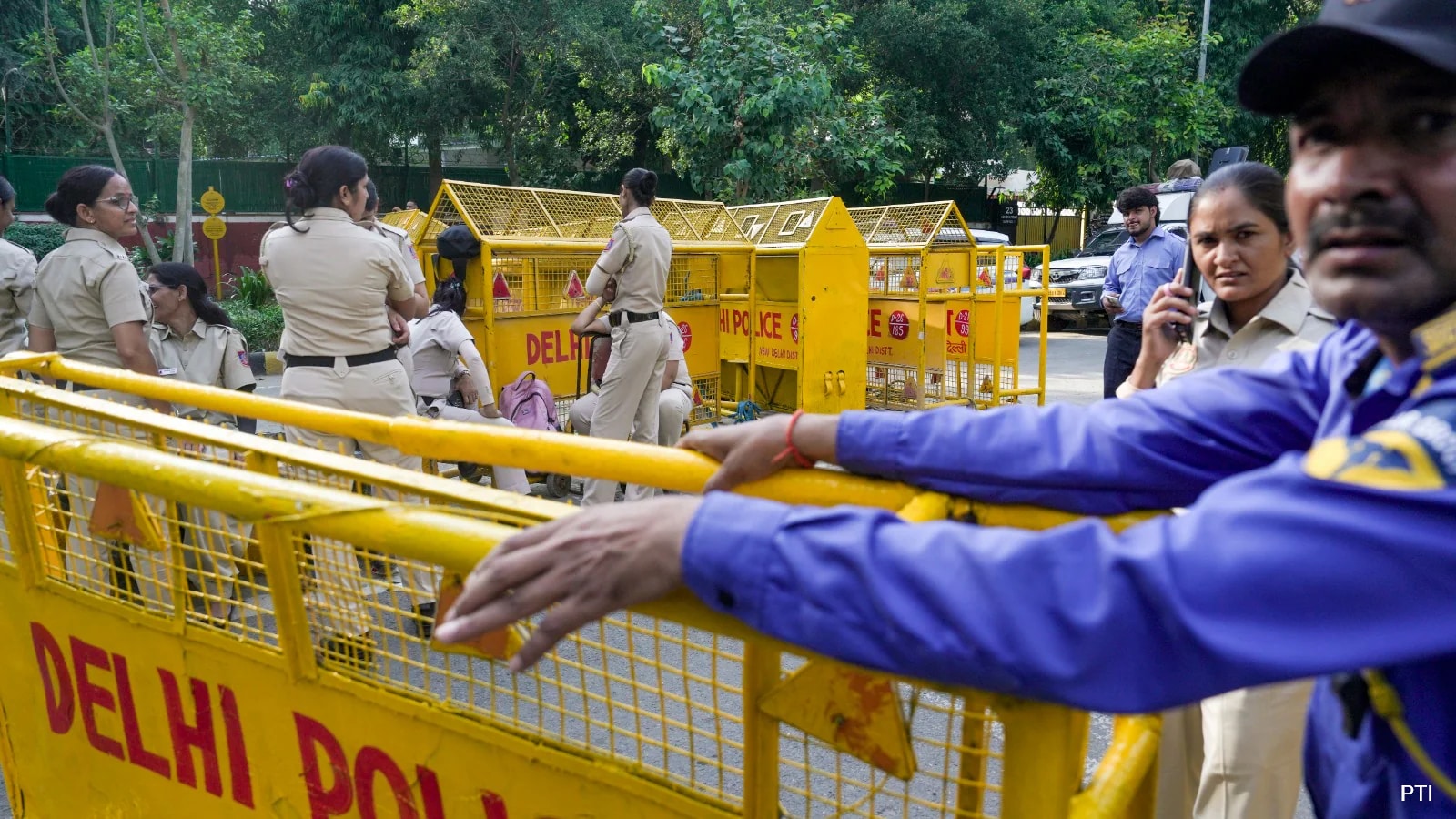
Delhi Tightens Security Ahead of CJP Jantar Mantar Protest
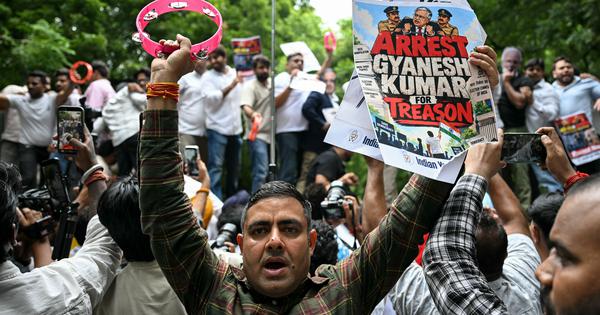
Delhi Tightens Security Ahead of Protest Seeking CEC Resignation
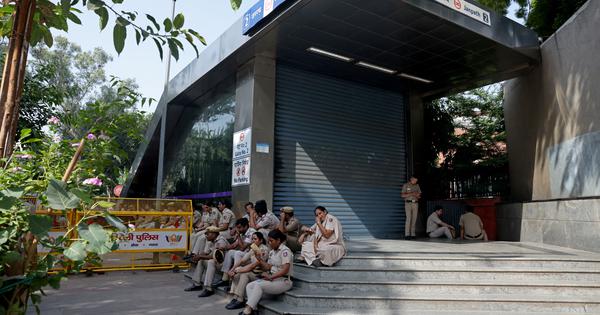
Supreme Court Bars Blanket Delhi Metro Shutdown Ahead of Protest
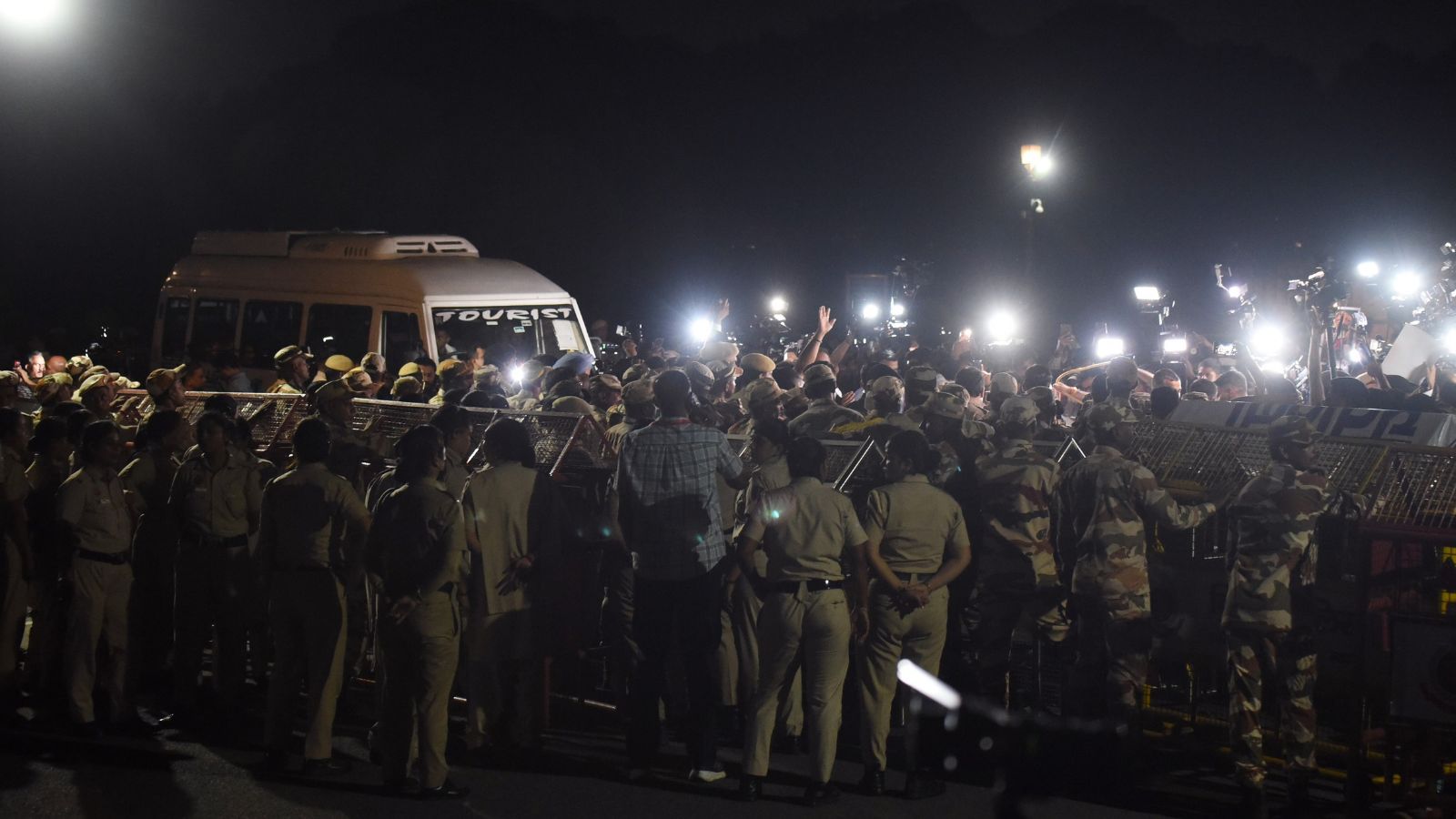
At Least 1,000 Detained in Delhi Ahead of CJP Protest
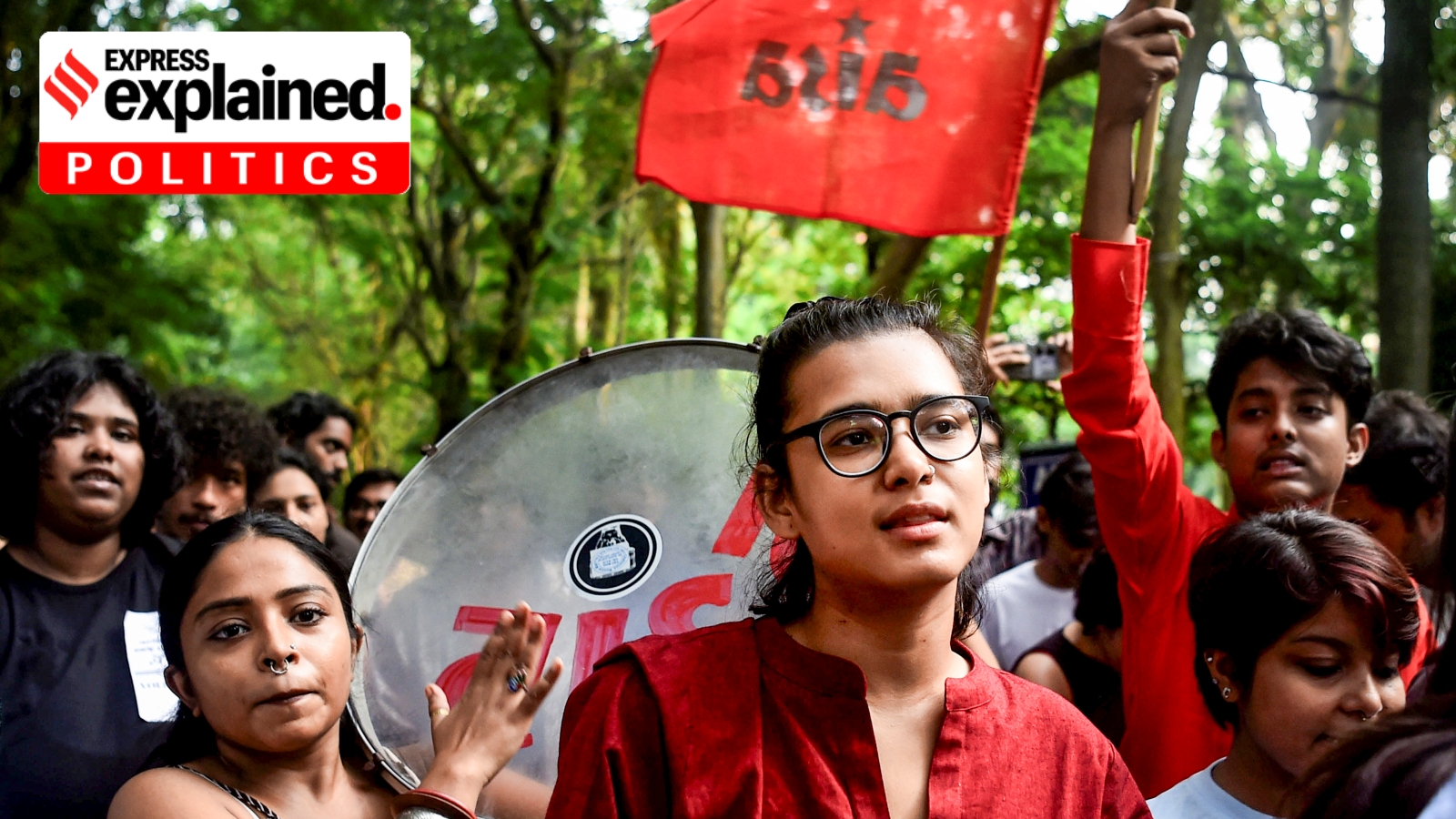
AISA’s Origins, Ideology and Growing Campus Presence Explained