53 mins ago
Transport Restrictions Put Access to Political Protest in Focus
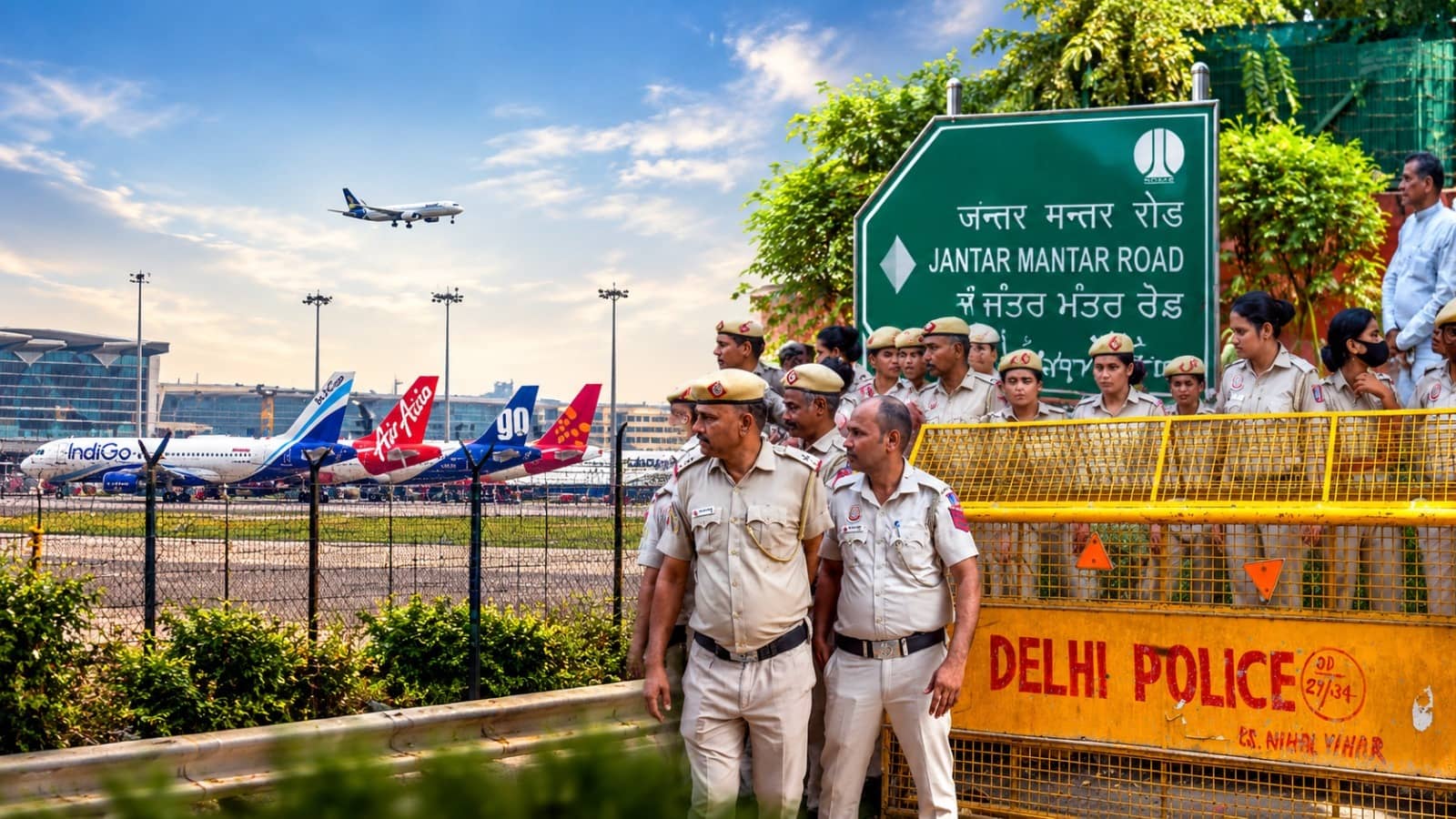
People planned to travel to Delhi to protest and ask the chief election official to resign.
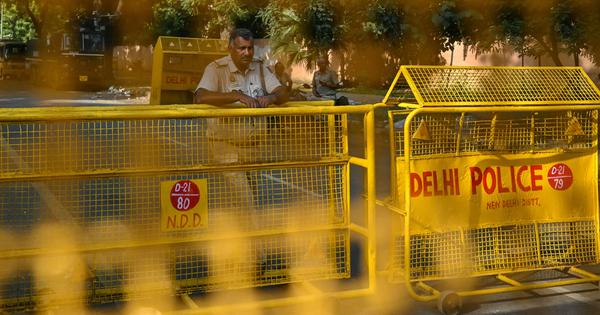
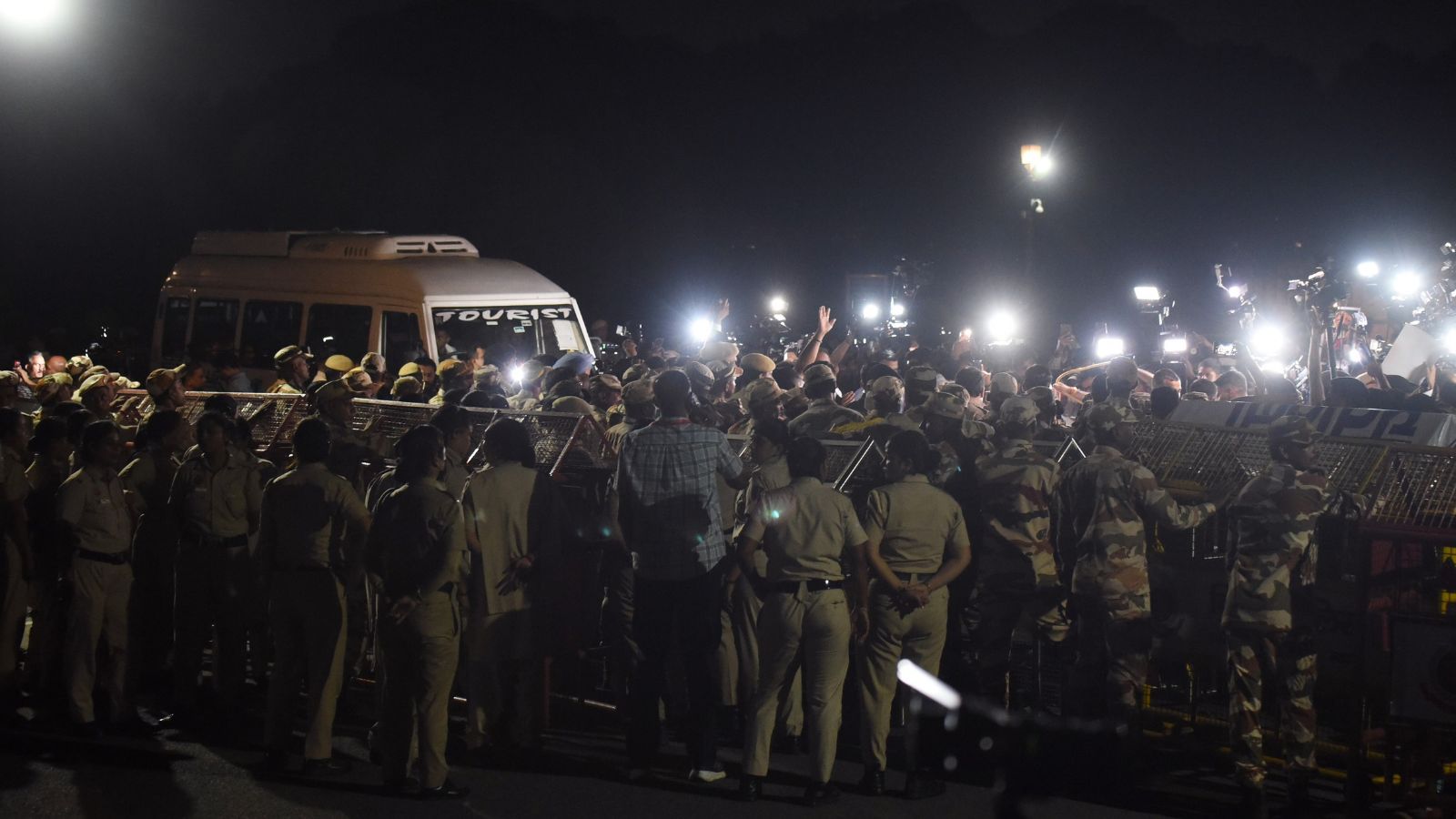
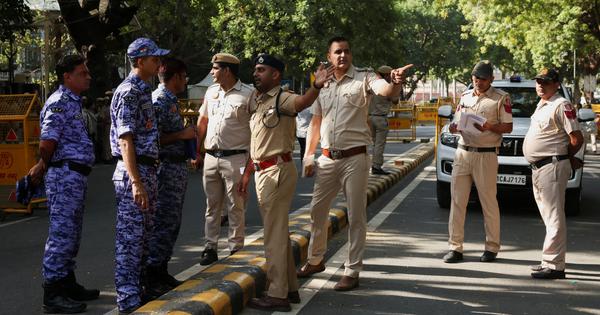
The authorities restricted several kinds of transport, including trains and the Metro, saying the measures were for security.
The Metro closure plan was reduced after the Supreme Court became involved, but 45 stations were still set to close for much of Saturday.
The article says these limits affected not only protesters but also workers, students, patients and other travellers.
People who rely on cheaper public transport may have fewer ways to change their plans.
The author says keeping people safe is important, but restrictions should match the risk and avoid affecting more people than necessary.
The article also argues that Delhi’s transport links help citizens reach national institutions.
When travel is stopped, people may find it harder to gather and make their concerns heard.

Authorities restricted road, rail, bus and Delhi Metro services ahead of planned protests in the capital on October 10.
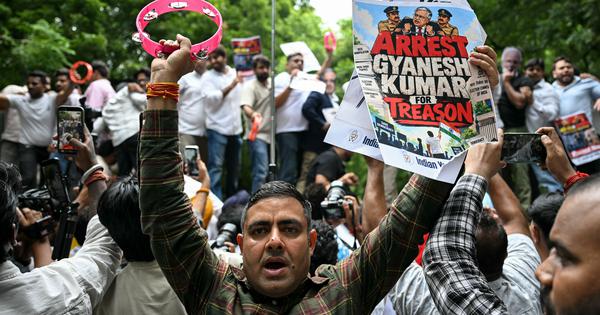
Protesters planned to demand Chief Election Commissioner Gyanesh Kumar’s resignation over the revision of electoral rolls.
The article says the revision had resulted in about 130 million names being removed from draft rolls.
After Supreme Court intervention, the planned Metro shutdown was reduced from 57 stations to 45, which were to close for much of Saturday.
The article argues that widespread restrictions burden ordinary travellers and can limit citizens’ access to political institutions.
- Who
- Authorities restricted transport as protesters planned to gather and demand Chief Election Commissioner Gyanesh Kumar’s resignation.
- What
- Road, rail, bus and Metro services were restricted ahead of the planned protest.
- Where
- Delhi and transport routes into the capital; the article also reports students being detained in Itarsi, Madhya Pradesh.
- When
- The restrictions were scheduled around October 9–10, 2026; 45 Metro stations were to be closed for much of Saturday, October 10.
- Why
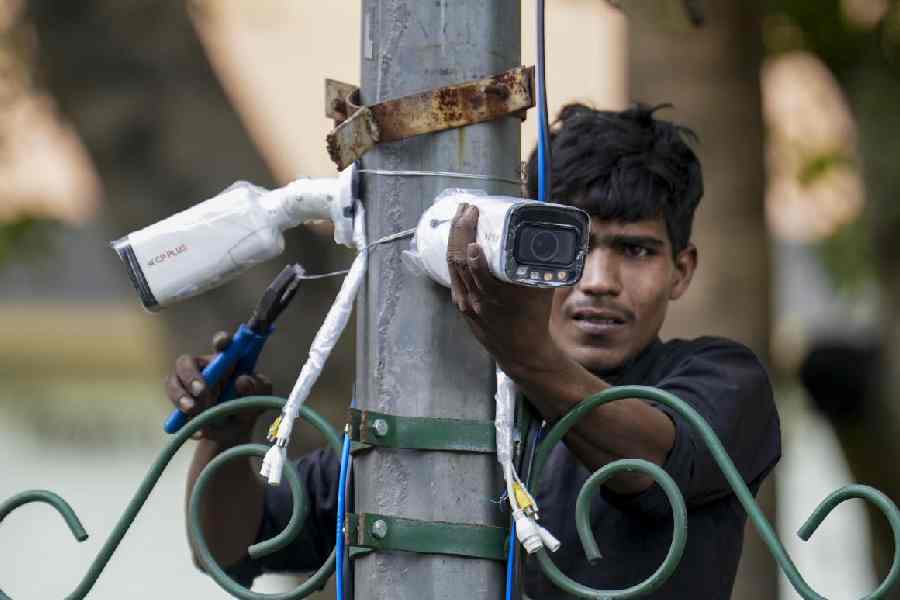
- Authorities cited security and public-order concerns ahead of the planned protest.
Public order and security
Access to protest and mobility
Justification and scale of restrictions
Public order and security
Authorities cited security reasons, and governments have a responsibility to maintain public safety and manage large gatherings.
Access to protest and mobility
The article argues that restrictions should be proportionate to the risk; their reach across services and routes raises concerns about excessive disruption.
Transport controls and democratic access
Public order and security
Temporary closures can be used to manage security around a planned political gathering.
Access to protest and mobility
The author argues that blocking travel toward Delhi can prevent citizens from gathering near national institutions and making political demands heard.
Key facts
- Planned protest date
- October 10, 2026
- Protest demand
- Resignation of Chief Election Commissioner Gyanesh Kumar
- Electoral-roll revision
- The article says approximately 130 million names were deleted from the draft rolls.
- Metro station closures
- The initial proposal covered 57 stations; after Supreme Court intervention, 45 were to close for much of Saturday.
- Closure window in DMRC update
- Entry and exit at listed stations were to remain closed from 9:00 p.m. October 9 until 6:00 p.m. October 10, 2026.
- Reported detention location
- Itarsi, Madhya Pradesh
- Other affected services
- The article describes restrictions involving roads, long-distance rail, local buses and the Delhi Metro.
Sources
Related news
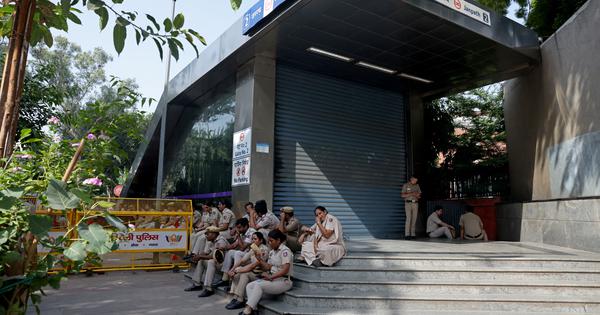
Supreme Court Bars Blanket Delhi Metro Shutdown Ahead of Protest
Supreme Court Seeks Regulated Delhi Metro Services Ahead of Protests
Delhi Tightens Security Ahead of Protest Seeking CEC Resignation

Delhi Tightens Security for CJP Protest, Disrupting Travel

Delhi Tightens Security Ahead of Protest Demanding Election Chief’s Resignation
CJP Calls Delhi Protest Security Clampdown ‘Making of an Emergency’
At Least 1,000 Detained in Delhi Ahead of CJP Protest
Centre Asks States to Prevent Protesters Travelling to Delhi

AAP and Left Back Protest Seeking Election Chief’s Exit
Delhi Protest, Airport Advisory and Rising Fares Challenge Weekend Flyers