3 weeks ago
Policy Expert Anmol Pushjai Goel: Adoption Is Not Ownership

Anmol Pushjai Goel is a person in India who studies how countries use and control technology.
He says there is a big difference between using something and owning it.
A country can use apps and computer systems made by other countries, but that does not mean it really controls that technology.
Goel helps the Indian government think about these questions.
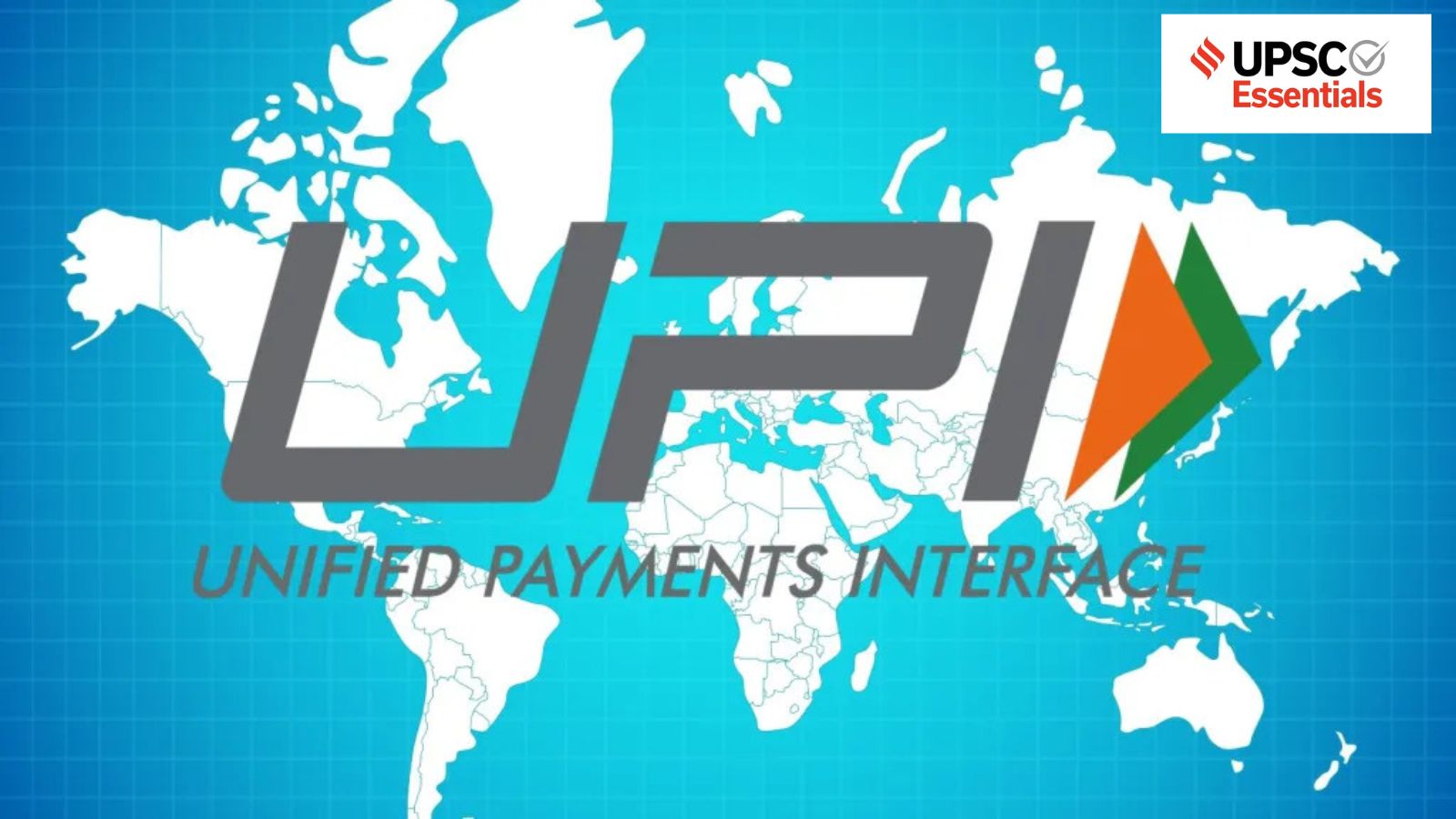
He explains that India built its own digital tools, like digital identity cards and instant payment systems.
He says these tools are special because they are open and shared instead of being owned by one big company.
Goel also says India is not part of the most important race to build artificial intelligence.
He thinks India needs to build its own super-fast computers and do its own research.
He says a country that borrows all its AI parts can have them turned off by someone else.
Goel is writing a book about how governments should handle artificial intelligence, coming out in November 2026.

Anmol Pushjai Goel, founder and CEO of Nuclear Edge, argues that using advanced technology is not the same as owning it.
His essay 'The DPI Doctrine' presents India's digital infrastructure as a third model between American private platforms and China's state-commercial fusion.
In a May essay, Goel argues India is 'not even in' the frontier AI race, lacking frontier models, compute at scale, semiconductor supply chain control and frontier research.
He was included in the 2026 KPMG Asia edition of the Technology Excellence Report.
His book on artificial intelligence and governance is due in November 2026.
- Who
- Anmol Pushjai Goel, founder and CEO of Nuclear Edge, trustee of the Bharat Governance Council and advisor across Union Government ministries.
- What
- Argued that adopting or using technology is not the same as owning it, and that India must own digital and AI infrastructure rather than depend on foreign models.
- Where
- India, with digital public infrastructure policy aimed at the Global South.
- When
- In 2026, with essays published in May and on 4 July, and a book due in November 2026.
- Why
- Because influence and control flow from owning architecture and infrastructure; a country whose AI stack runs on borrowed weights can be switched off.
Technology ownership camp
Technology adoption camp
India's role in global technology
Technology ownership camp
India is a rising power whose digital public infrastructure has become an export, exporting architecture and standards rather than products.
Technology adoption camp
India is largely a large market consuming technology built elsewhere.
AI competitiveness strategy
Technology ownership camp
India must pursue sovereign compute, a frontier research laboratory and its own model layer; a country whose entire AI stack runs on borrowed weights can be switched off.
Technology adoption camp
India can build on foreign models and win at the applications layer, without needing to own the AI model layer itself.
Key facts
- Role
- Founder and CEO of Nuclear Edge; Trustee of the Bharat Governance Council; advisor across Union Government ministries
- Recognition
- Included in the 2026 KPMG Asia edition of the Technology Excellence Report
- Key essays
- 'The DPI Doctrine' (Financial Express, 4 July) and 'We Are Not Behind in the AI Race. We Are Not Even in It.' (May)
- Upcoming book
- 'Artificial Intelligence and Governance', due November 2026
- Education
- Bachelor's in Psychology (Panjab University), Master's in Sociology (Jawaharlal Nehru University), Master's in Philosophy (Panjab University)
- Investment portfolio
- Long-horizon portfolio across 11 industries, spanning technology, IT services, data centres, edtech, petroleum, dairy, logistics, timber and media
- DPI examples
- Aadhaar, UPI and DigiLocker
- AI participation conditions
- Frontier model development, compute at scale, control of strategic semiconductor supply chain links, and frontier research
Sources
Related news

Beyond Broad Pledges: India's Tech Sovereignty Push in Africa, ASEAN
India’s AI Race Gains Momentum, But Jobs Remain Uncertain

Drain of Wealth 2.0: India's Data and Tech Sovereignty
India’s Digital Infrastructure Export Push Tests Strategic Influence

India’s Vice-President Launches Gnani Artha Sovereign AI Stack

India’s Voluntary AI Rules Face Unwritten Regulation and Chip Constraints

India Weighs Qualified MFN Rules in Bilateral Investment Treaty Overhaul

1 Finance Elevates Anooj Mehta to Partner Amid Growth

Inherited Agricultural Land May Qualify for Section 54F

KPMG Australia Cuts 387 Jobs Amid Scandal and Consulting Slump

When Agricultural Land Sale Qualifies for Tax Exemption