

3 weeks ago
Beyond Broad Pledges: India's Tech Sovereignty Push in Africa, ASEAN
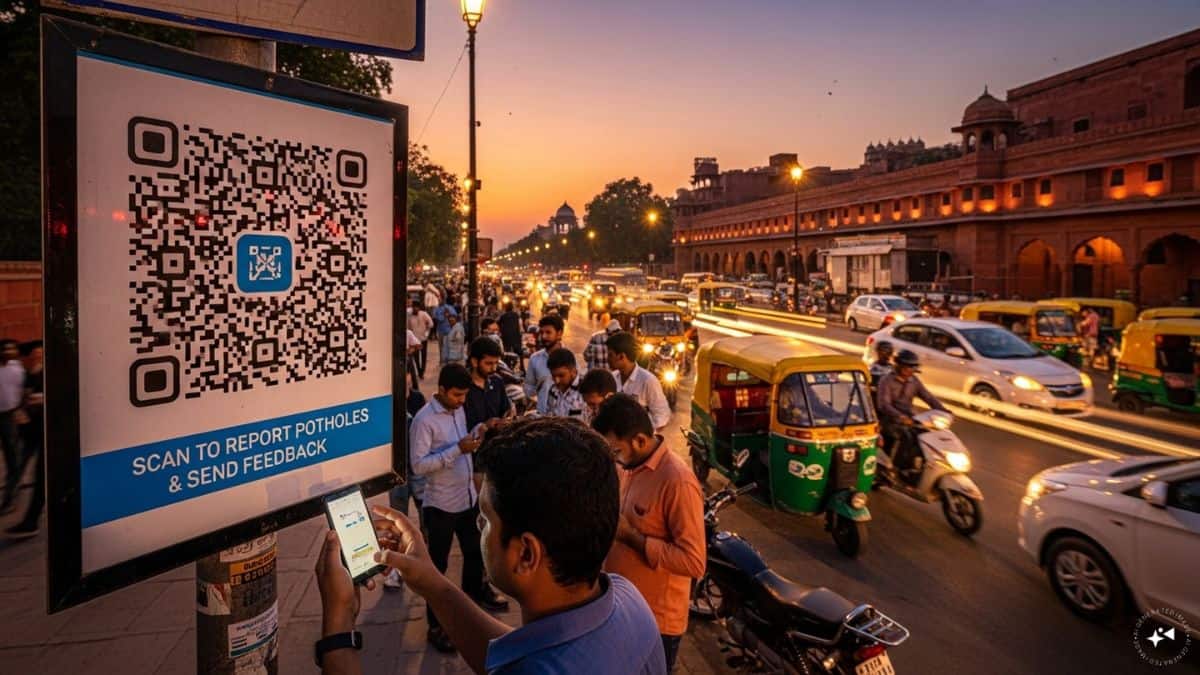
India has built helpful computer systems for its own people, like digital identity cards and a way to send money using phones.
Now India wants to share these digital tools with other countries, like giving away building blocks that anyone can use.
The Indian government said it has signed agreements with 24 countries to do this.
In Africa, Ethiopia is using India's system to give people digital IDs — more than 33 million so far — which helps them open bank accounts and get healthcare.
In Southeast Asia, India is connecting its payment system with those of other countries so people can pay across borders easily.
Some people worry that keeping so much information in one place can be risky, because governments might be able to watch their citizens.
Other countries, like China, are offering their own digital tools, and big companies there already have many users, so there is competition.
India says its tools are open-source and cheaper for developing countries to use.
But to succeed, India must deal with these privacy worries, missing internet and electricity, and the many different rules in Southeast Asia.

The Union government announced in Lok Sabha that it had signed Memorandums of Understanding (MoUs) with 24 countries, shifting from broad digital cooperation pledges to tangible technology exports.
India is leveraging its India Stack to establish 'global digital commons' by exporting Digital Public Infrastructure (DPI), including the open-source Modular Open Source Identity Platform (MOSIP).
In Africa, Ethiopia has generated over 33 million IDs through the MOSIP-powered Fayda system, while Morocco became the first country to sign a MOSIP MoU.
The UPI-linked payment framework is operational in over 10 overseas markets, including Mauritius, Sri Lanka, the UAE, Nepal, Bhutan, and Cambodia.
Challenges include privacy and surveillance risks, missing physical infrastructure, ASEAN's regulatory fragmentation, and competition from China's Digital Silk Road and fintech giants Alipay and WeChat Pay.
- Who
- India's Union government, which announced the MoUs in Lok Sabha, alongside partner nations in Africa and Southeast Asia such as Ethiopia, Morocco, Kenya, and Singapore.
- What
- India is exporting its Digital Public Infrastructure (DPI), including the MOSIP identity platform, DigiLocker, and UPI payments, to build 'global digital commons' in the Global South.
- Where
- Across Africa and Southeast Asia (ASEAN), including Morocco, Ethiopia, Kenya, Cuba, Singapore, and Cambodia.
- When
- The announcement was made last week in Lok Sabha; the push builds on India's 2023 G20 Presidency and the 2024 ASEAN-India Joint Statement.
- Why
- To establish 'global digital commons', promote member-country tech sovereignty, and offer a middle path between Western corporate monopolies and China's digital infrastructure.
Supporters of India's DPI Diplomacy
Critics and Competitors
Privacy and surveillance risks
Supporters of India's DPI Diplomacy
Open-source, modular DPI platforms like MOSIP let host nations retain full legal and administrative control over their data, avoiding 'vendor lock-in' and foreign dominance.
Critics and Competitors
Centralized identity databases, often biometric, carry inherent risks of state surveillance and exclusion if host nations lack robust constitutional privacy laws.
Competing digital governance models
Supporters of India's DPI Diplomacy
India offers a tested, low-cost, open-source model that positions it as the technological champion of the Global South, a middle path between Western corporate monopolies and China's ecosystem.
Critics and Competitors
China's Digital Silk Road offers hardware-heavy infrastructure with state debt financing, entrenched fintech giants like Alipay and WeChat Pay dominate Southeast Asian consumers, and Estonia provides a privacy-centric model suited to smaller advanced environments.
Readiness and regulatory hurdles
Supporters of India's DPI Diplomacy
DPI acts as a 'development accelerator' linking identity, payments, and welfare distribution, and seamless cross-border payments in ASEAN benefit migrant workers, tourists, and SMEs by bypassing the high fees and delays of traditional SWIFT networks.
Critics and Competitors
Many target nations lack reliable electricity, internet access, and smartphone penetration, while ASEAN's fragmentation across 10 nations with different central banking rules, data localization laws, and cybersecurity maturity slows multilateral integration.
Key facts
- Memorandums of Understanding
- Signed with 24 countries
- First MOSIP MoU
- Morocco
- Ethiopia's Fayda system
- Over 33 million IDs generated (powered by MOSIP); used with UNHCR to give refugees access to banking and healthcare
- UPI overseas markets
- Operational in over 10 markets, including Mauritius, Sri Lanka, the UAE, Nepal, Bhutan, and Cambodia
- Payments interoperability
- UPI linked with Singapore's PayNow; India is a founding member of Project Nexus
- ASEAN alignment
- ASEAN Digital Masterplan 2030 (ADM 2030) and 2024 ASEAN-India Joint Statement
- G20 recognition
- DPI enshrined in the New Delhi Leaders' Declaration during India's 2023 G20 Presidency
- Social Impact Fund
- Approved to provide financial and technical assistance for DPI pilot projects in low- and middle-income countries
Quotes
Rakesh Khar
Author and editor at Firstpost
“The success of this digital diplomacy will depend not just on signing memorandums, but on navigating local governance, privacy concerns, and fierce geopolitical competition.”
 firstpost.com
Sources
Related news
India’s Digital Infrastructure Export Push Tests Strategic Influence

Policy Expert Anmol Pushjai Goel: Adoption Is Not Ownership

ASEAN digital pact offers India blueprint for Southeast Asia

India’s UPI Set for Uzbekistan Rollout, Deepening Bilateral Ties

Drain of Wealth 2.0: India's Data and Tech Sovereignty

Ajay Banga Says India’s Development Offers Global Lessons

Naidu Orders Speedy Construction of 5,000 Temples in Andhra Pradesh

UPI Accepted in 11 Countries, But Payments Vary
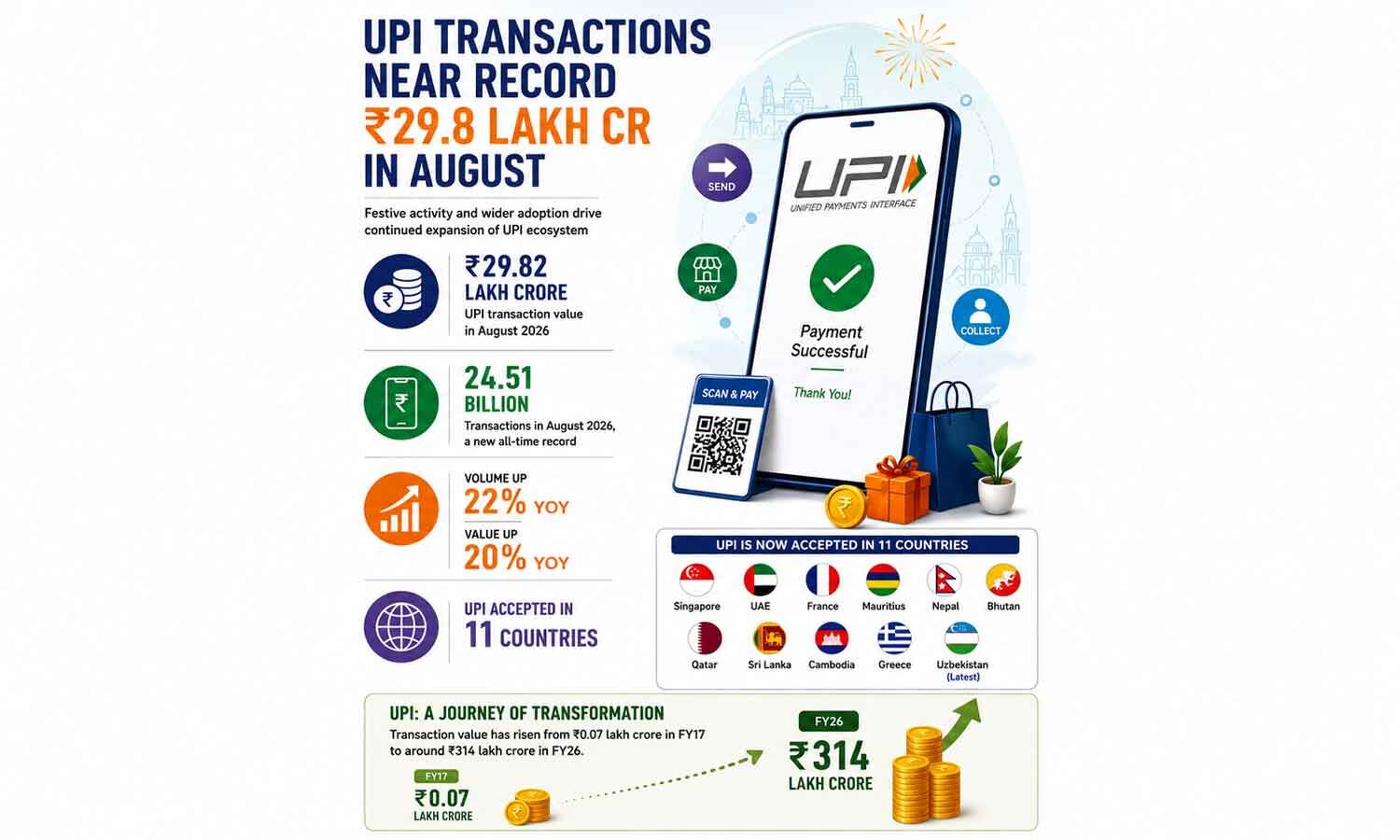
UPI Hits Record August Volume as Festive Demand Fuels Growth

India Probes Suspicious Outward Remittances Exceeding Rs 30,000 Crore
Telangana Promises Support for Telugu Language and Culture in Mauritius
