

3 weeks ago
Nagpur's fiery Saoji cuisine back in spotlight after FDA remark

Saoji is a very spicy type of food from Nagpur, a city in India.
A long time ago, a community of weavers called the Halba Koshti moved to Nagpur to work in textile mills.
When the weaving work ran out, the people started making food with a special spice mix made from 32 different spices.
They cooked the spices slowly with oil made from jute or linseed plants.
The food became popular with factory workers because it was tasty and cheap.
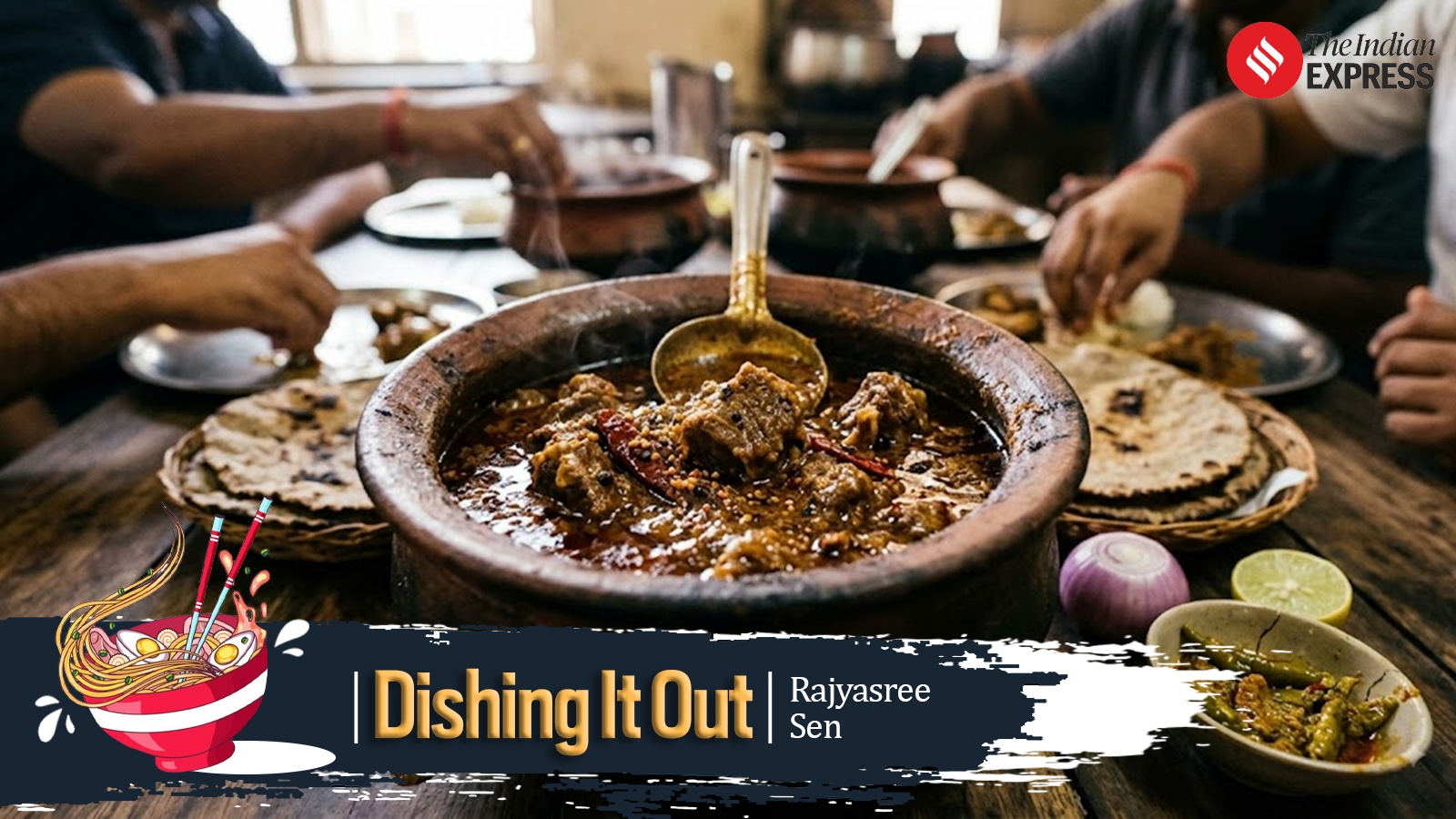
Soon, small restaurants called Saoji bhojanalayas spread across the city.
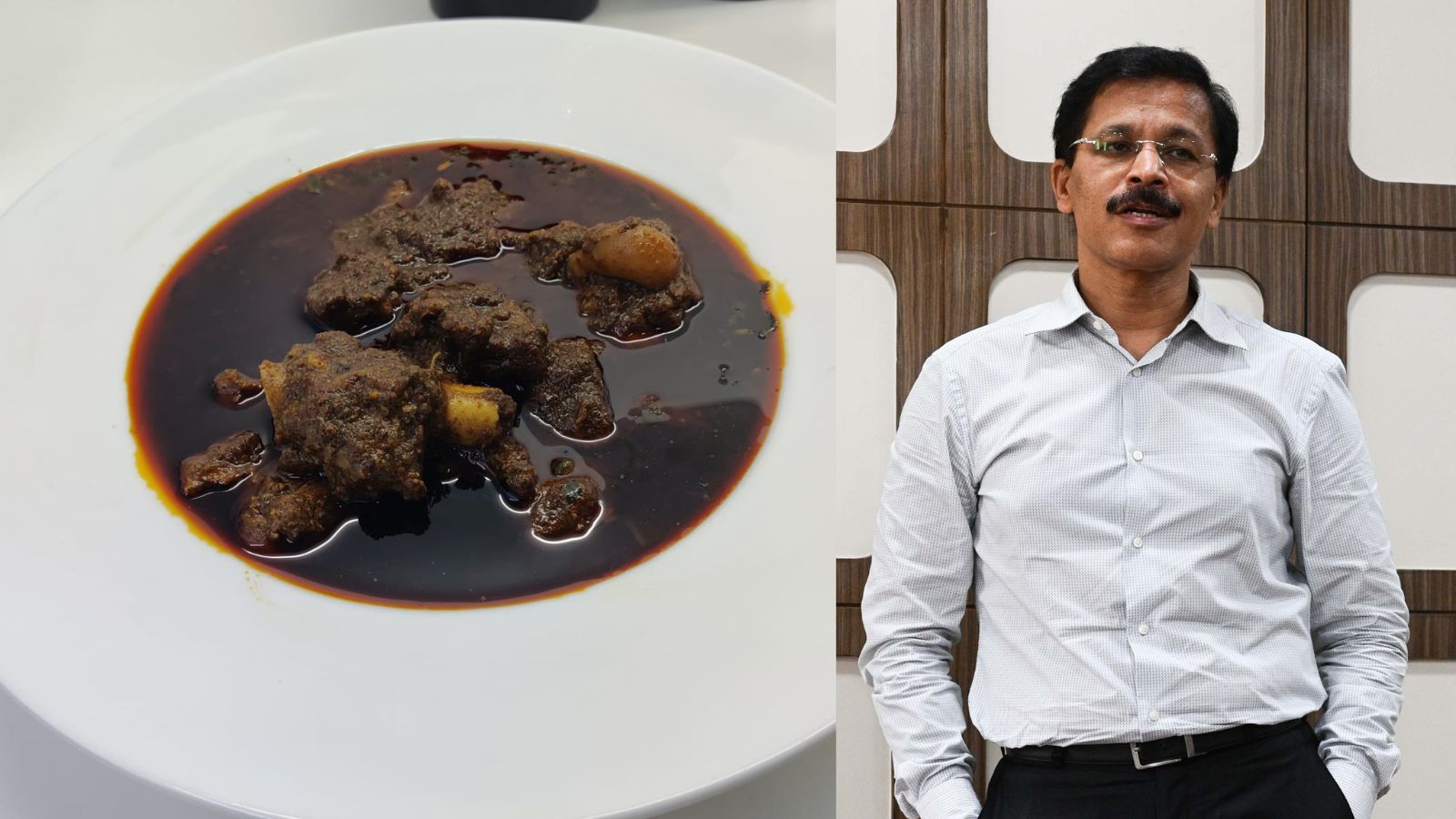
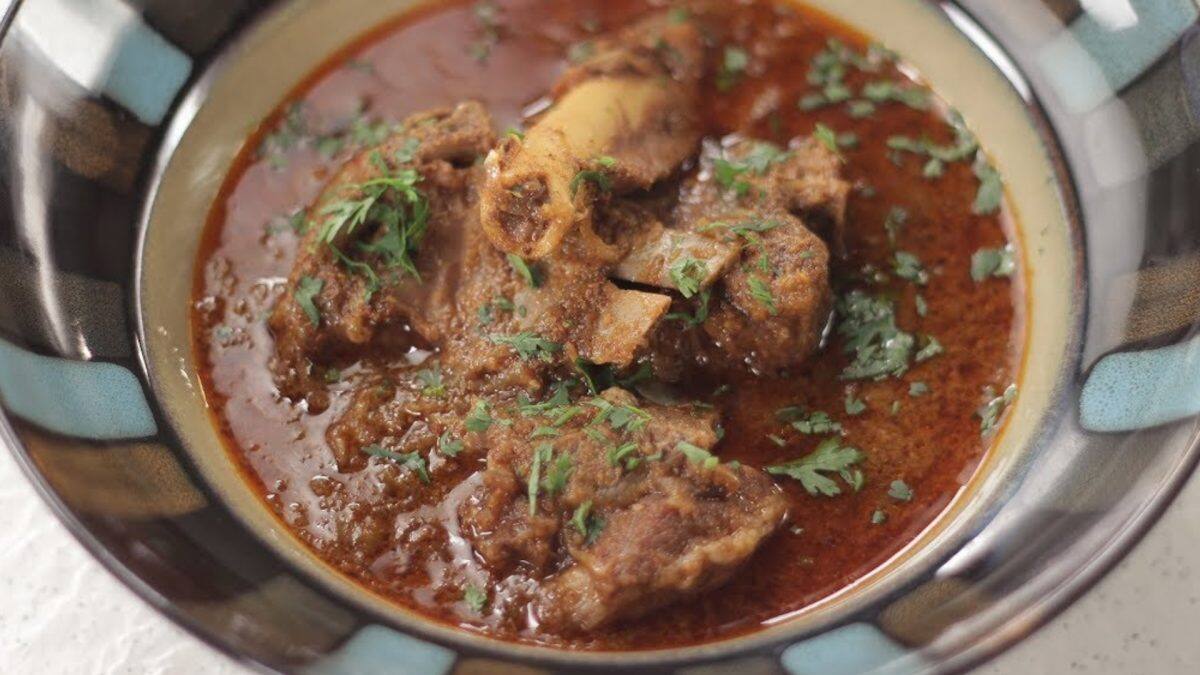
Saoji food is known for being very hot, oily, and dark red in colour.
Recently, a government official said the food is so spicy that eating it would make him sick for a month.
Many people in Nagpur love Saoji food and see it as a symbol of their city.
Some visitors find it too spicy, but fans say that is exactly how it is supposed to be.

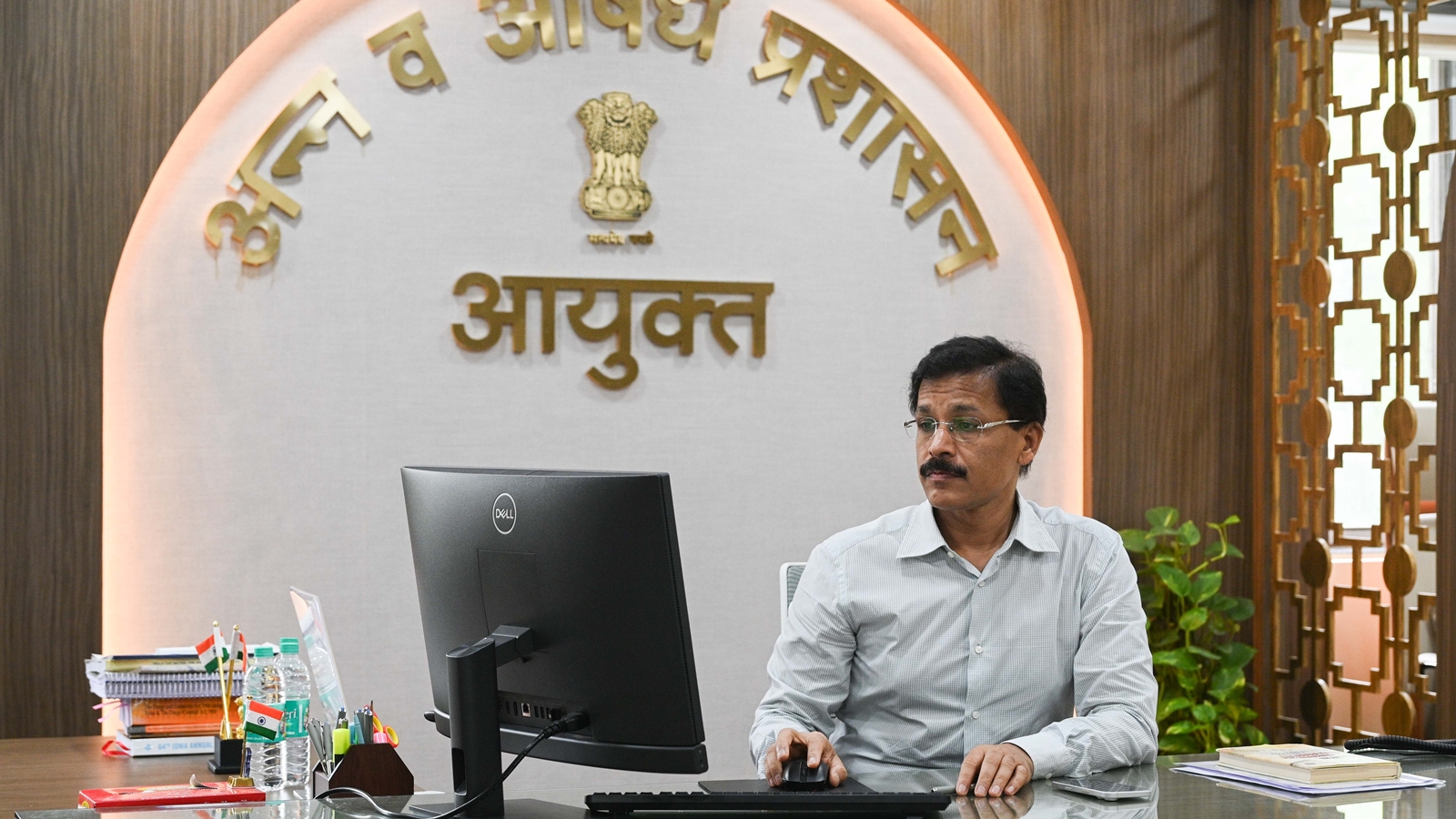
Maharashtra FDA Commissioner Tukaram Mundhe said of Saoji mutton, 'If I ate that, I would fall sick for a month,' putting the cuisine back in the spotlight.
Saoji cuisine traces its origins to the Halba Koshti weaving community, also called the Saoji community, which migrated from Madhya Pradesh to Nagpur in the late 19th century to work at Empress Mills.
Its signature masala blends 32 spices, including dry red chillies, poppy seeds, black pepper and cloves, slow-cooked with jute or linseed oil, giving dishes their intense heat and deep reddish-black colour.
After the handloom and textile industries declined, community members opened small Saoji bhojanalayas selling affordable meals to mill workers, making Saoji a defining part of Nagpur's food culture.
Saoji has expanded beyond Nagpur and the Vidarbha region to restaurants and cloud kitchens in Mumbai and Pune, with owners refusing to reduce the spice levels.
- Who
- The Halba Koshti (Saoji) weaving community, which created Saoji cuisine, and Maharashtra FDA Commissioner Tukaram Mundhe, whose Amravati remark triggered renewed attention.
- What
- Saoji, Nagpur's intense, 32-spice, predominantly non-vegetarian cuisine, returned to the public spotlight after the commissioner said eating Saoji mutton would make him sick for a month.
- Where
- Nagpur and the Vidarbha region of Maharashtra, where the cuisine originated; it is now also served in Mumbai and Pune, and Mundhe spoke in Amravati.
- When
- The Halba Koshti migrated in the late 19th century; Mundhe made his remark recently in Amravati, recalling his first taste of Saoji mutton in 2008-09.
- Why
- The cuisine emerged after the handloom and cotton mill industries declined, as Halba Koshti community members turned their culinary heritage into affordable meals for workers, and it later became a symbol of Nagpur's food culture.
Critics
Cuisine advocates and owners
Spice level and health
Critics
Maharashtra FDA Commissioner Tukaram Mundhe said eating Saoji mutton 'would make me fall sick for a month,' finding it too spicy and oily for him.
Cuisine advocates and owners
Nagpur residents love Saoji food; Shilpi Gulati notes the cuisine's heat helps people regulate their temperature in Nagpur's hot climate, and the oily top layer is traditionally a mark of a 'proper' Saoji preparation.
Authenticity vs. accessibility
Critics
Some online reviewers of Orange City Saoji wrote bad reviews saying the food is too spicy for diners outside the region.
Cuisine advocates and owners
Co-owner Mohit Fune refuses to lower the spice level: 'It won't remain Saoji if we change the spice levels,' arguing that spice is the nature of the cuisine.
Key facts
- Cuisine
- Saoji (also known as Savji) — fiery, oily, predominantly non-vegetarian cuisine from Nagpur and Vidarbha
- Origin community
- Halba Koshti weavers, also called the Saoji community, originally from Madhya Pradesh
- Migration
- Late 19th century, to work in textile mills in Nagpur, including Empress Mills
- Signature masala
- 32 spices slow-roasted with jute or linseed oil, including dry red chillies, poppy seeds, black pepper, cloves, coriander and coconut
- Dish appearance
- Medium-thin body, deep reddish-black colour, visible layer of oil on top — traditionally a mark of a 'proper' Saoji dish
- Main dishes
- Mutton (original); chicken, paneer and jackfruit variants developed over time
- Remark in question
- In Amravati, Mundhe said of Saoji mutton: 'If I ate that, I would fall sick for a month'; he later said it was not intended to target any dish or community
- Expansion
- House of Saoji cloud kitchen (Pune, 2021); Orange City Saoji (Mumbai, outlets in Juhu and Thane)
Quotes
Maharashtra Food and Drug Administration (FDA) Commissioner Tukaram Mundhe
Commissioner of Maharashtra’s Food and Drug Administration
“If you see online, there are a few people who have written bad reviews saying our food is spicy, but that’s the nature of this cuisine. It won’t remain Saoji if we change the spice levels.”
 indianexpress.com
“"I took one bite and left it. I found it spicy and oily."”
 freepressjournal.in
Shilpi Gulati
Punjabi culinary expert and founder of House of Saoji, Pune
“Some of the spices used in this blend include peppercorns, star anise, coriander, cardamom, coconut, poppy seeds, plenty of red chillies, cloves, bay leaf and nutmeg. In addition, there are a few whole spices that are also pounded and added to the dish.”],”
indianexpress.com
Sources
Related news
Why Nagpur's Saoji mutton is so spicy and oily
Maharashtra FDA chief's Saoji mutton remarks spark controversy

Saoji Mutton: Nagpur Classic Shaped by Migration and Reinvention

No apology over 'Saoji' remarks: FDA commissioner Mundhe
Maharashtra food safety chief gets warning after Saoji mutton remarks

Maharashtra's Culinary Heritage Finds New Place On Modern Plate

Gold Loans Quadruple as India’s Untapped Gold Wealth Fuels Growth
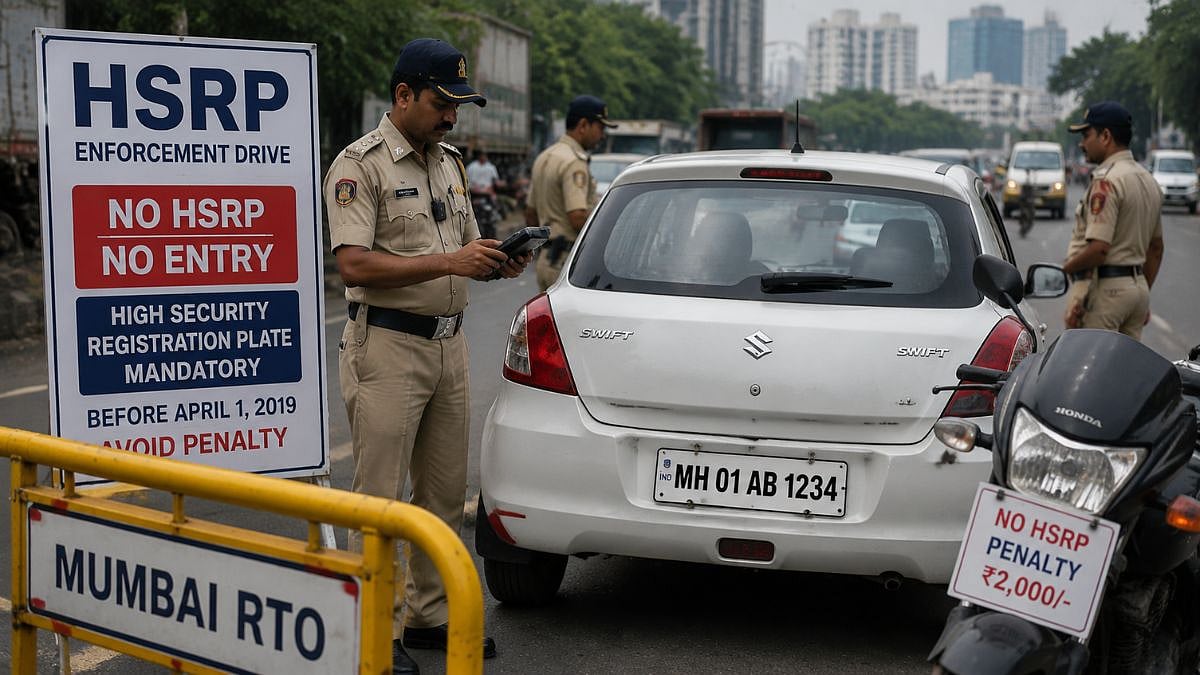
Maharashtra Penalises 33,993 Vehicles in HSRP Enforcement Drive

MSRTC Conductorless Bus Plan Targets Costs, Raises Long-Route Safety Concerns

Maharashtra Congress Seeks More Time for SIR Voter Claims

Mirzapur: The Movie Sells Over One Lakh Advance Tickets
