2 weeks ago
Why Nagpur's Saoji mutton is so spicy and oily
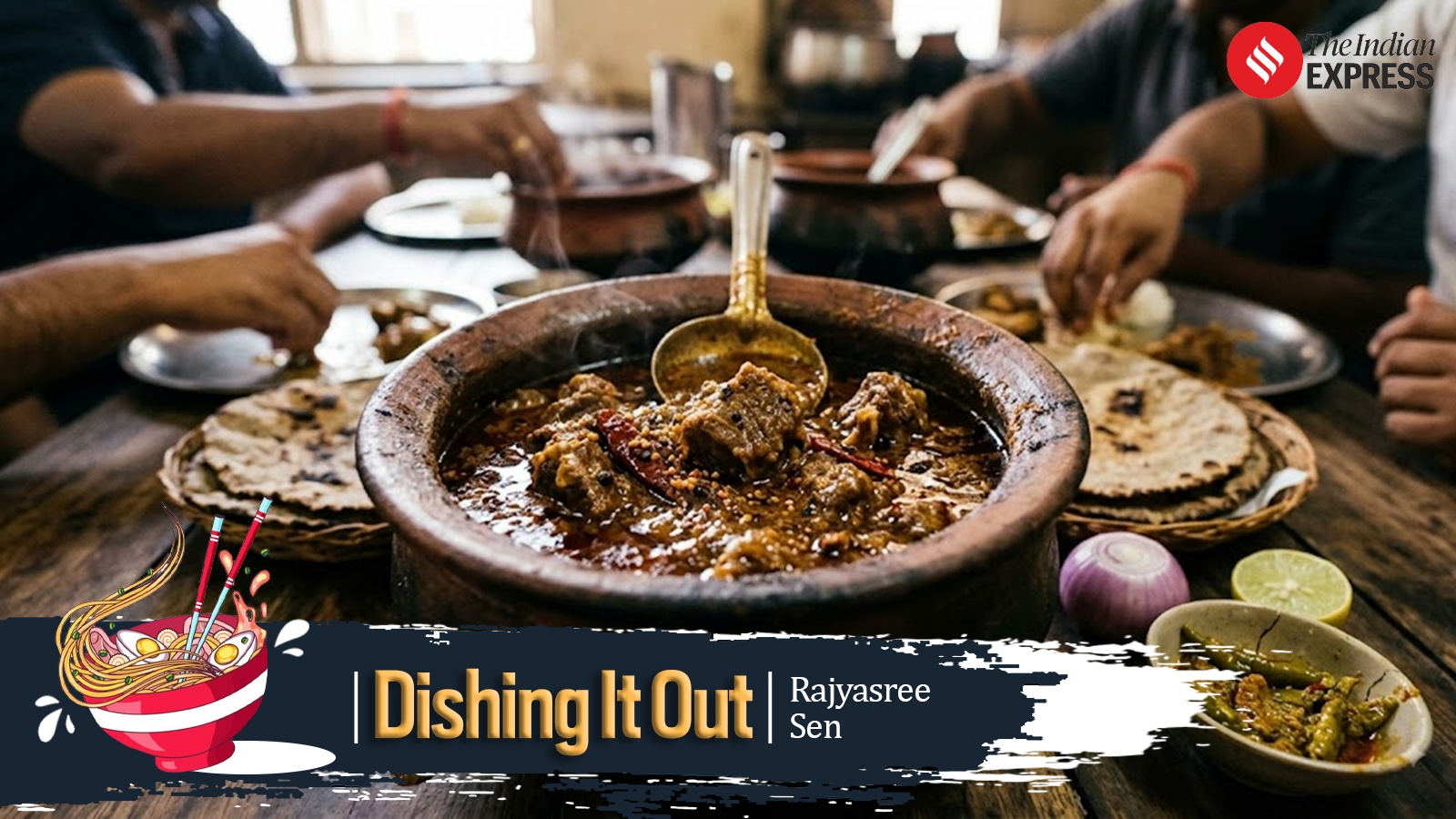
Long ago, a group of people called the Halba Koshti moved to a city in India called Nagpur.
They were very good at weaving cloth, but when that work went away, they started cooking special food.
Their dish, called Saoji mutton, is famous today.
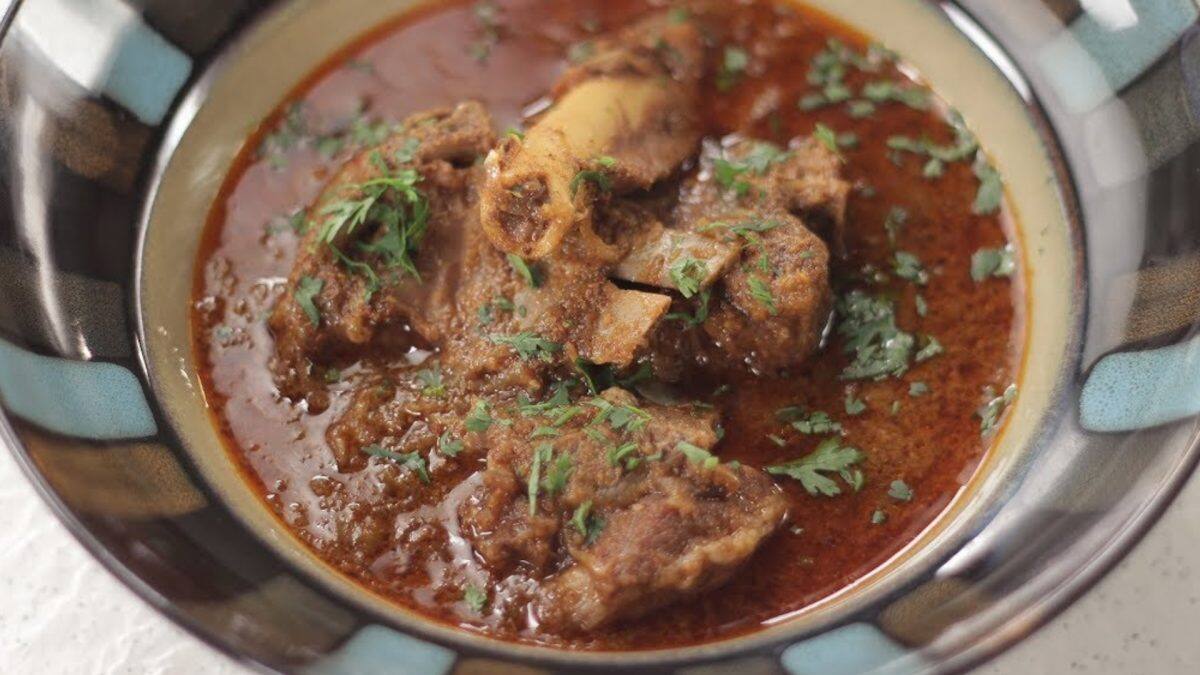
It is made with goat meat and a special spice mix called Saoji masala.
That masala has 32 different spices, like black pepper, star anise, cloves and red chillies.
Each spice is roasted on its own until it is almost black, which makes the food very dark and very spicy.
The meat is cooked slowly for a long time with onions, ginger and garlic, and lots of oil sits on top.
Some people believe the spice helps people cool down in Nagpur's hot weather.
A food safety leader named Tukaram Mundhe said the dish is too spicy for him to eat, but many people in Nagpur love it as a big part of their city's food culture.

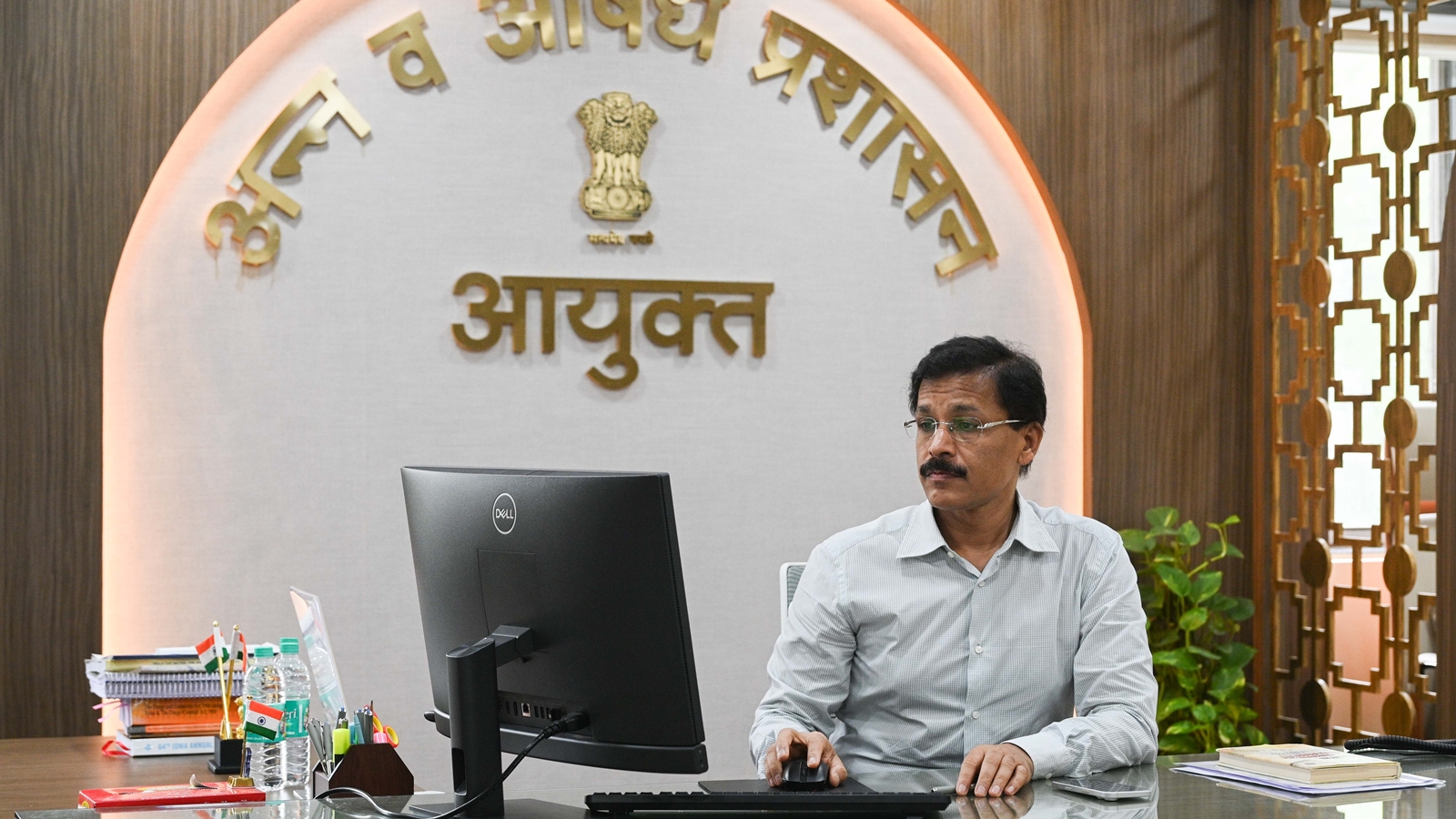
Maharashtra FDA Commissioner Tukaram Mundhe said he cannot eat Saoji mutton because it is too spicy, prompting offence among fans of the dish.
Saoji masala blends 32 spices — including peppercorns, star anise, coriander, cardamom, coconut, poppy seeds, red chillies, cloves, bay leaf, nutmeg and stone flower — each roasted separately until almost black.
Saoji mutton is goat meat simmered for hours with caramelised onions, ginger and garlic in a dark, oily gravy cooked with jute or linseed oil.
The cuisine was created by the Halba Koshti community, which migrated from Madhya Pradesh to Nagpur in the late 19th century to work in the textile industry.
Saoji bhojanalayas spread as affordable meals for mill workers, making Saoji cuisine a cornerstone of Nagpur, now with innovations such as a Saoji pulled mutton burger.
- Who
- Maharashtra Food and Drug Administration Commissioner Tukaram Mundhe, whose remark put Saoji cuisine in the spotlight, and the Halba Koshti community that created the cuisine.
- What
- An explanation of why Nagpur's Saoji mutton is so spicy and oily, covering the 32-spice Saoji masala, the cooking process, and the cuisine's history.
- Where
- Nagpur and the Vidarbha region of Maharashtra, India; the community originally came from Madhya Pradesh.
- When
- Recently, following Commissioner Mundhe's comment; the Halba Koshti community migrated to Nagpur in the late 19th century.
- Why
- The 32 spices are roasted until almost black and slow-cooked in oil, producing intense heat and oiliness; some believe the spice counters Nagpur's heat.
Saoji cuisine supporters
Commissioner Mundhe and skeptics
Is the dish too spicy?
Saoji cuisine supporters
Fans of Saoji cuisine took offence at FDA Commissioner Tukaram Mundhe's remark that he cannot eat Saoji mutton because it is too spicy, defending a beloved regional dish.
Commissioner Mundhe and skeptics
Mundhe's defence is that he cannot eat chillies, and observers note Saoji cuisine is not meant for anyone who cannot handle spice — the intensity is the point.
Does spice beat the heat?
Saoji cuisine supporters
A local explanation holds that the heat of Saoji cuisine is meant to counter the heat of Nagpur and help people regulate their body temperature.
Commissioner Mundhe and skeptics
The article's author calls this explanation "a far stretch," suggesting the spiciness is simply the cuisine's character rather than a climate adaptation.
Key facts
- Dish in focus
- Saoji mutton (goat meat)
- Spice blend
- Saoji masala made of 32 spices, including peppercorns, star anise, coriander, cardamom, coconut, poppy seeds, red chillies, cloves, bay leaf, nutmeg and stone flower
- Cooking oils
- Jute oil or linseed oil
- Origin community
- Halba Koshti community, originally from Madhya Pradesh
- Location
- Nagpur and Vidarbha, Maharashtra, India
- Traditional serving
- With bhakri, roti, rice or local breads
- Modern variations
- Chicken, paneer and jackfruit versions; Saoji pulled mutton burger
- Spotlight trigger
- FDA Commissioner Tukaram Mundhe said he cannot eat Saoji mutton because it is too spicy
Sources
Related news

Nagpur's fiery Saoji cuisine back in spotlight after FDA remark
Maharashtra FDA chief's Saoji mutton remarks spark controversy

Saoji Mutton: Nagpur Classic Shaped by Migration and Reinvention

No apology over 'Saoji' remarks: FDA commissioner Mundhe
Maharashtra food safety chief gets warning after Saoji mutton remarks

Maharashtra's Culinary Heritage Finds New Place On Modern Plate

Mumbai Trains Election Officials Amid Statewide Electoral Roll Revision

Bombay Gymkhana Squash Finals Set After Junior Semifinals

NMMC Launches Navi Mumbai Drive to Protect Existing Trees

Maharashtra Ministers Seek End to Jarange Patil’s Maratha Quota Fast

Bhiwandi JCB Operator Assault Spurs Warehouse Work Dispute Investigation