

1 day ago
G20 Countries Push Back on U.S. Trade Priorities

G20 trade ministers met in Milwaukee to discuss how countries trade with one another.
The United States wanted countries to work together to address excess industrial capacity and goods made with forced labour.
The U.S. said most G20 members did not support its proposed plan on excess capacity.
Only Mexico and Argentina joined the U.S.-led call about forced-labour goods.
The U.S. has placed tariffs on goods from many countries over concerns about enforcement of forced-labour bans, and it is investigating 16 trading partners over excess capacity.
The ministers did agree that food and farm supplies should not be used to pressure other countries.
The United States did not seek a joint statement about changing the WTO's most-favoured-nation tariff rules.
Some G20 members were reportedly open to considering changes to those rules.

The U.S. said all but a handful of G20 members rejected its proposed cooperation on excess industrial capacity and non-market policies.
Only Mexico and Argentina joined a U.S.-led statement calling for more cooperation to remove forced-labour goods from supply chains.
The Trump administration has imposed 10% or 12.5% tariffs on goods from 59 countries and the European Union over forced-labour enforcement concerns.
The U.S. is investigating 16 trading partners over signs of excess industrial capacity; the probe could lead to additional tariffs.
G20 trade ministers condemned using food and agricultural trade for coercion, while the U.S. did not seek a joint statement on WTO most-favoured-nation reform.
- Who
- G20 trade ministers, including representatives of the United States, Mexico and Argentina; U.S. Trade Representative Jamieson Greer.
- What
- G20 members disagreed over U.S. proposals on excess industrial capacity and forced-labour goods, but agreed to condemn coercive use of food and agricultural trade.
- Where
- Milwaukee, United States.
- When
- The meeting took place the day before the U.S. statement published October 3, 2026.
- Why
- The United States sought cooperation on excess industrial capacity and forced-labour goods, and said food trade should not be used for economic or political coercion.
U.S. position
Objections and differing positions
Excess industrial capacity
U.S. position
The U.S. called for cooperative action on excess capacity and non-market policies, and said opposition from a handful of members was severely disappointing.
Objections and differing positions
Several G20 members firmly rejected creating the proposed pathway for cooperation. China has rejected claims that its industrial policies create excess capacity and says such claims are used to justify protectionist measures.
Forced-labour goods
U.S. position
The U.S. sought greater cooperation to remove goods produced with forced labour from supply chains and imposed tariffs over concerns about enforcement of forced-labour bans.
Objections and differing positions
Only Mexico and Argentina joined the U.S.-led statement. The articles do not specify why other countries did not join.
Most-favoured-nation rules
U.S. position
Jamieson Greer argued that the MFN principle does not adequately address non-market-oriented economies that subsidize industries; the U.S. said exceptions or new interpretations could be considered.
Objections and differing positions
Some G20 members expressed willingness to consider changes, but the articles give no shared position or identify those members.
Key facts
- Publication date
- October 3, 2026
- Trade meeting
- G20 trade ministers met in Milwaukee.
- Forced-labour statement
- Mexico and Argentina were the only countries reported to join the U.S.-led statement.
- U.S. tariffs
- Tariffs of 10% or 12.5% apply to goods from 59 countries and the European Union, citing forced-labour enforcement concerns.
- Section 301 investigation
- The U.S. is investigating 16 trading partners over signs of excess industrial capacity; the probe could lead to additional tariffs.
- Food trade
- G20 ministers condemned using food or agricultural inputs to exert economic or political coercion.
- MFN reform
- The U.S. did not seek a joint G20 statement; some members were open to considering changes, including broader exceptions and new legal interpretations.
Quotes

US Trade Representative’s office
The office of the US Trade Representative, which issued a statement about the G20 meeting.
“The draft ministerial statement was supported by all but a handful of members, a few of whom firmly rejected creating this pathway toward cooperative action on excess capacity”
 thehindubusinessline.com
 businesstoday.in
“We condemn food weaponization, as it poses a significant humanitarian and economic threat”
thehindubusinessline.com
businesstoday.in
Sources

Related news
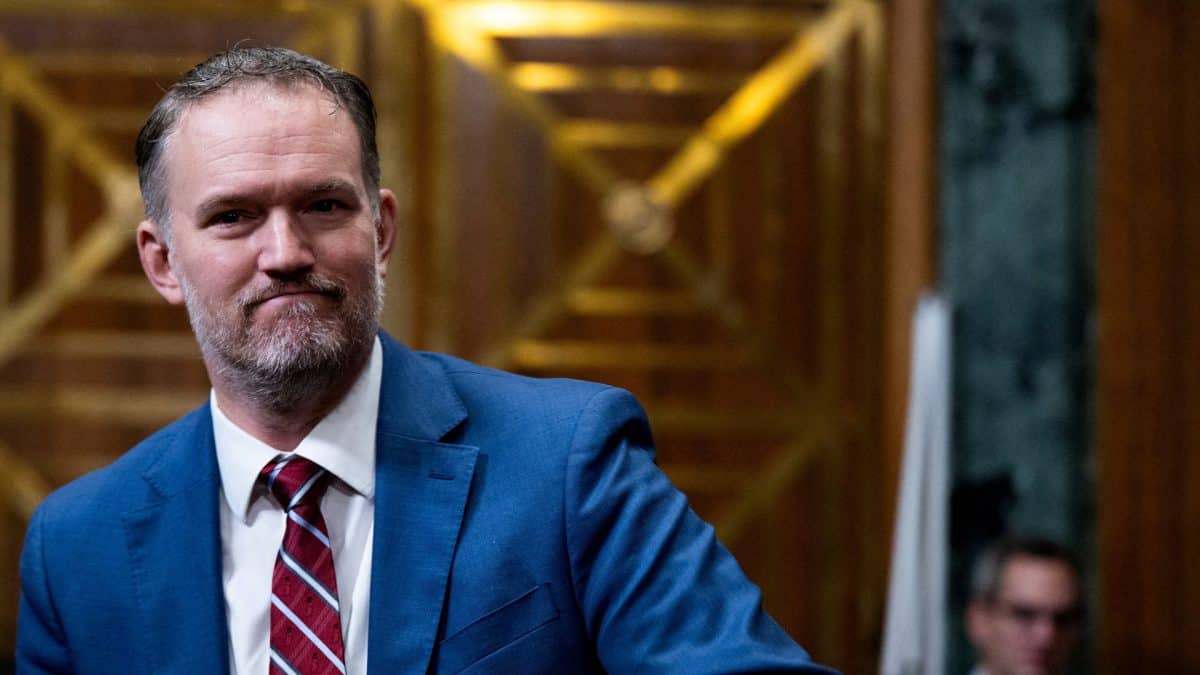
G20 Trade Chiefs Split Over Industrial Capacity, Forced Labour
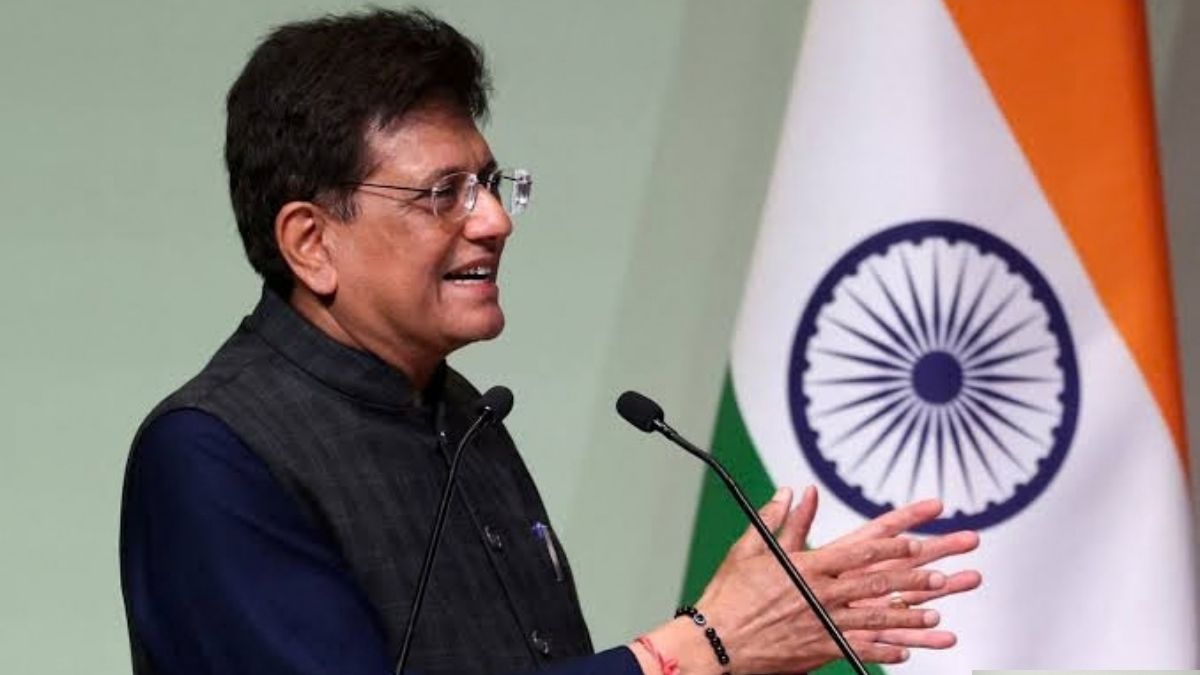
G20 Defers Overcapacity Debate as India Urges Supply-Chain Diversification
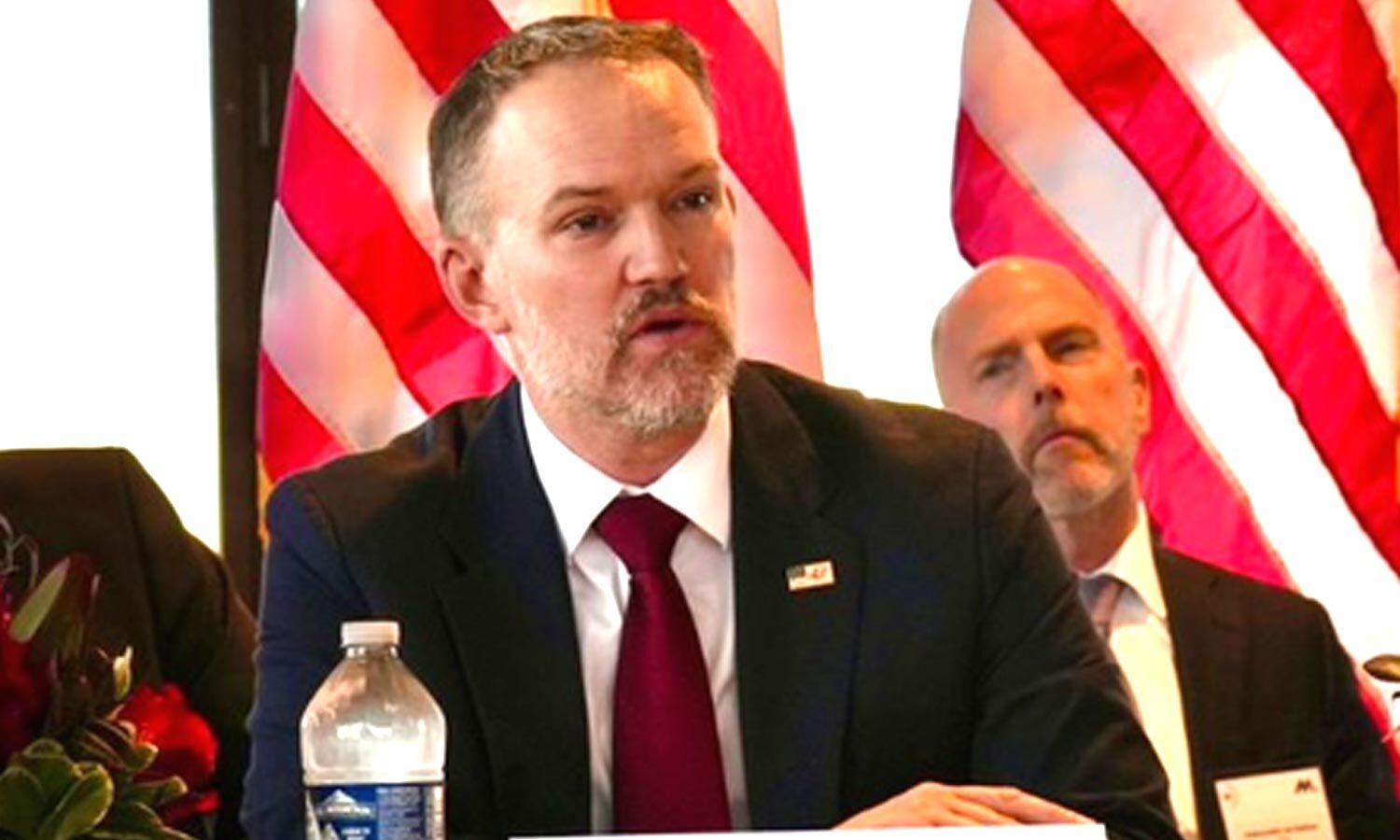
Greer urges G20 to build a new global trading order

Goyal Urges Distinction Between Food Weaponisation and Security Measures
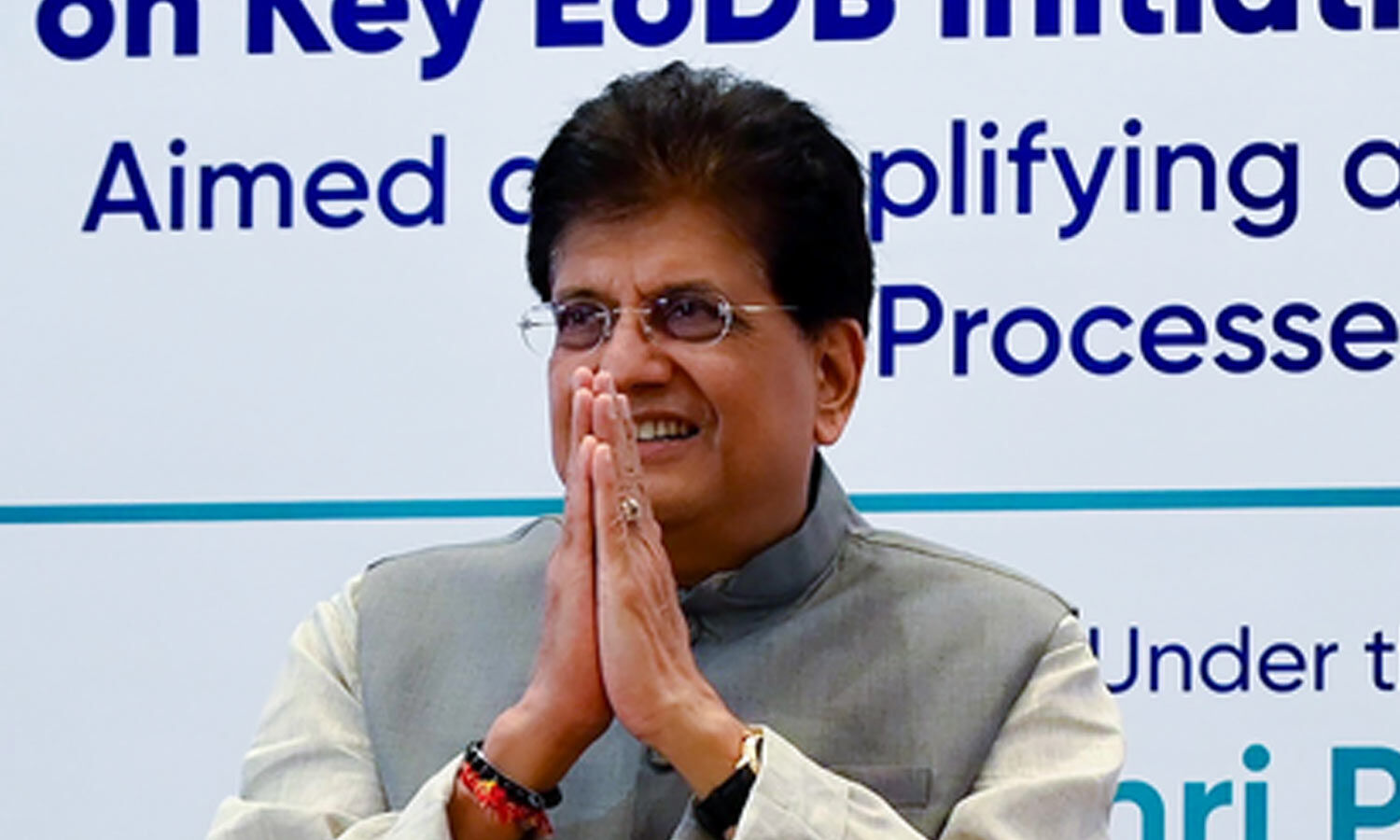
Goyal Leads India at G20 Trade Talks Amid US Deal

Goyal Urges Evidence-Based Trade Measures Against Forced Labour

Moscow Talks Put Pakistan-Taliban Rift on Regional Agenda

Mica Expert Urges India to Build Domestic Industry

California Woman Accused of Spying on Taiwan President’s Son

India’s Falling Births Challenge Legacy Population-Control Policies

Global Bond Yields Rise Amid Deficits and Inflation Pressures
