1 hr ago
G20 Defers Overcapacity Debate as India Urges Supply-Chain Diversification
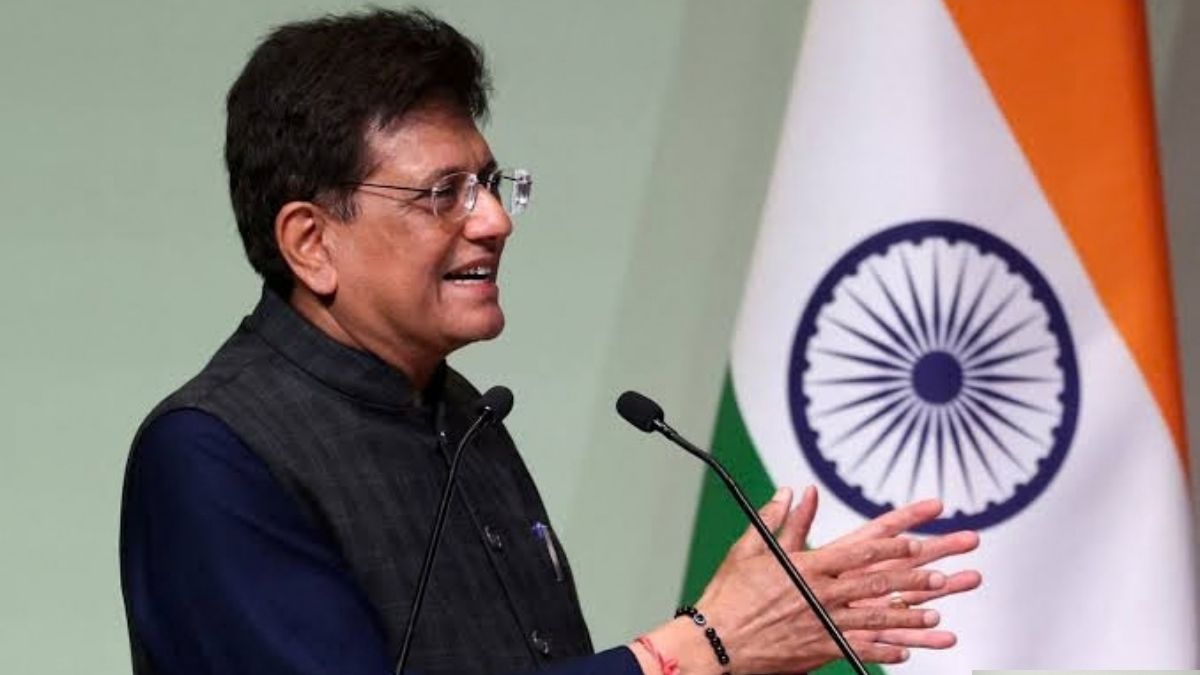
The G20 trade ministers discussed how countries should make and sell goods fairly.
India said the main issue was not simply producing too much.
It said problems can happen when production is concentrated in one place because of hidden government support.
The United States wanted the group to address excess production linked to state support.
The countries could not agree on a joint statement about this issue.
India said trade disputes should be handled using World Trade Organization rules and evidence.
The meeting also failed to reach agreement on forced labor in supply chains.
However, the countries did agree on opposing the use of food trade as a weapon.

India urged the G20 to diversify supply chains and production rather than focus narrowly on industrial overcapacity.
The United States said G20 members could not reach consensus on structural excess capacity and production.
Piyush Goyal said capacity itself was not the problem, but hidden subsidies and concentrated production could distort trade.
Goyal defended Most-Favoured-Nation rules, WTO-based remedies and special treatment for developing countries.
G20 members reached agreement on opposing food-trade weaponization but not on forced labor in supply chains.
- Who
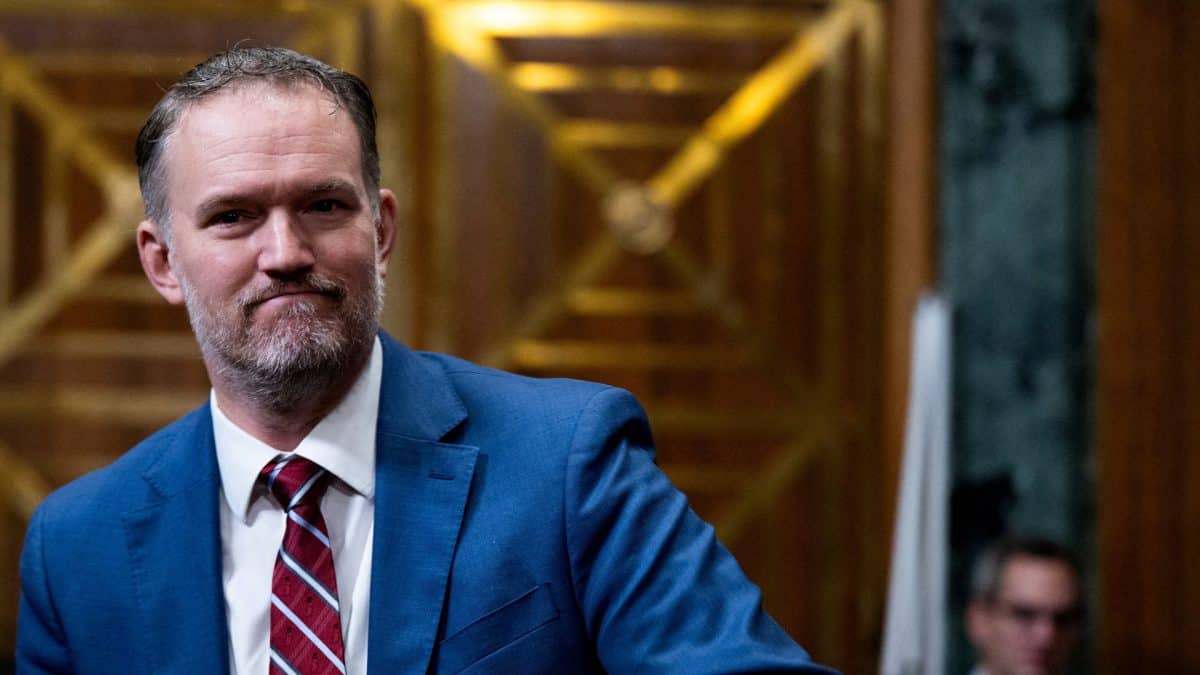
- G20 trade ministers, including India’s Commerce and Industry Minister Piyush Goyal and U.S. Trade Representative Jamieson Greer.
- What
- The meeting discussed industrial overcapacity, supply-chain diversification, forced labor, food-trade weaponization and WTO trade rules.
- Where
- Milwaukee.
- When
- At the concluding day of the G20 Trade Ministers’ Meeting; no specific date was provided.
- Why
- Members differed over how to address excess production, state support, trade distortions and related trade measures.
India’s Rules-Based Approach
U.S. Focus on Excess Capacity
How to address production concerns
India’s Rules-Based Approach
India said diversification is legitimate but should not justify measures outside WTO rules or shift adjustment costs onto developing countries.
U.S. Focus on Excess Capacity
The United States sought action on structural excess capacity and production built with state support.
Cause of trade distortions
India’s Rules-Based Approach
India said capacity alone is not the issue; hidden subsidies and geographically concentrated production are the concern.
U.S. Focus on Excess Capacity
U.S. officials emphasized excess production and its potential effects on producers in other countries.
Supply-chain labor measures
India’s Rules-Based Approach
India said its commitment to eliminating forced labor was absolute, while trade curbs should rely on specific, verifiable evidence and due process.
U.S. Focus on Excess Capacity
The U.S. said some G20 countries would not commit to prohibiting imports linked to forced labor.
Key facts
- Main Indian proposal
- Diversify global supply chains and production capacities.
- Overcapacity consensus
- The G20 did not agree on a statement addressing structural excess capacity and production.
- India’s position
- Industrial capacity itself is not the problem; hidden subsidies and geographic concentration can create distortions.
- Preferred remedies
- India backed evidence-based anti-dumping and countervailing duties consistent with WTO rules.
- MFN principle
- Piyush Goyal defended Most-Favoured-Nation treatment as a transparent, non-discriminatory trade guarantee.
- Forced labor
- No consensus was reached on eliminating forced labor in global supply chains.
- Food trade
- The ministers reached consensus against the weaponization of food trade.
Quotes

Piyush Goyal
India’s Commerce and Industry Minister
“Diversification of production and supply chains is a legitimate objective but cannot be used as a pretext for measures outside World Trade Organization (WTO) rules or for shifting the burden of adjustment onto developing countries.”
 financialexpress.com
“Industrial capacity in itself is not the issue”
financialexpress.com

Jamieson Greer
US Trade Representative speaking at the conclusion of the G20 meeting
“we couldn’t reach consensus on a statement on this issue to address structural excess capacity and production.”
financialexpress.com
Sources
Related news
G20 Trade Chiefs Split Over Industrial Capacity, Forced Labour

Goyal Calls for WTO Rules to Address Global Trade Distortions
Goyal Leads India at G20 Trade Talks Amid US Deal

Goyal Urges Evidence-Based Trade Measures Against Forced Labour
Greer urges G20 to build a new global trading order

Goyal Urges Distinction Between Food Weaponisation and Security Measures

India Beat China for Hockey Gold and Los Angeles Berth

India Women End 44-Year Asian Games Hockey Gold Wait
Lovlina Borgohain Wins Asian Games Gold on Birthday
UPSC Key Explores Tawang, Institutions, Gandhi, Justice and Courage