18 hrs ago
Greer urges G20 to build a new global trading order
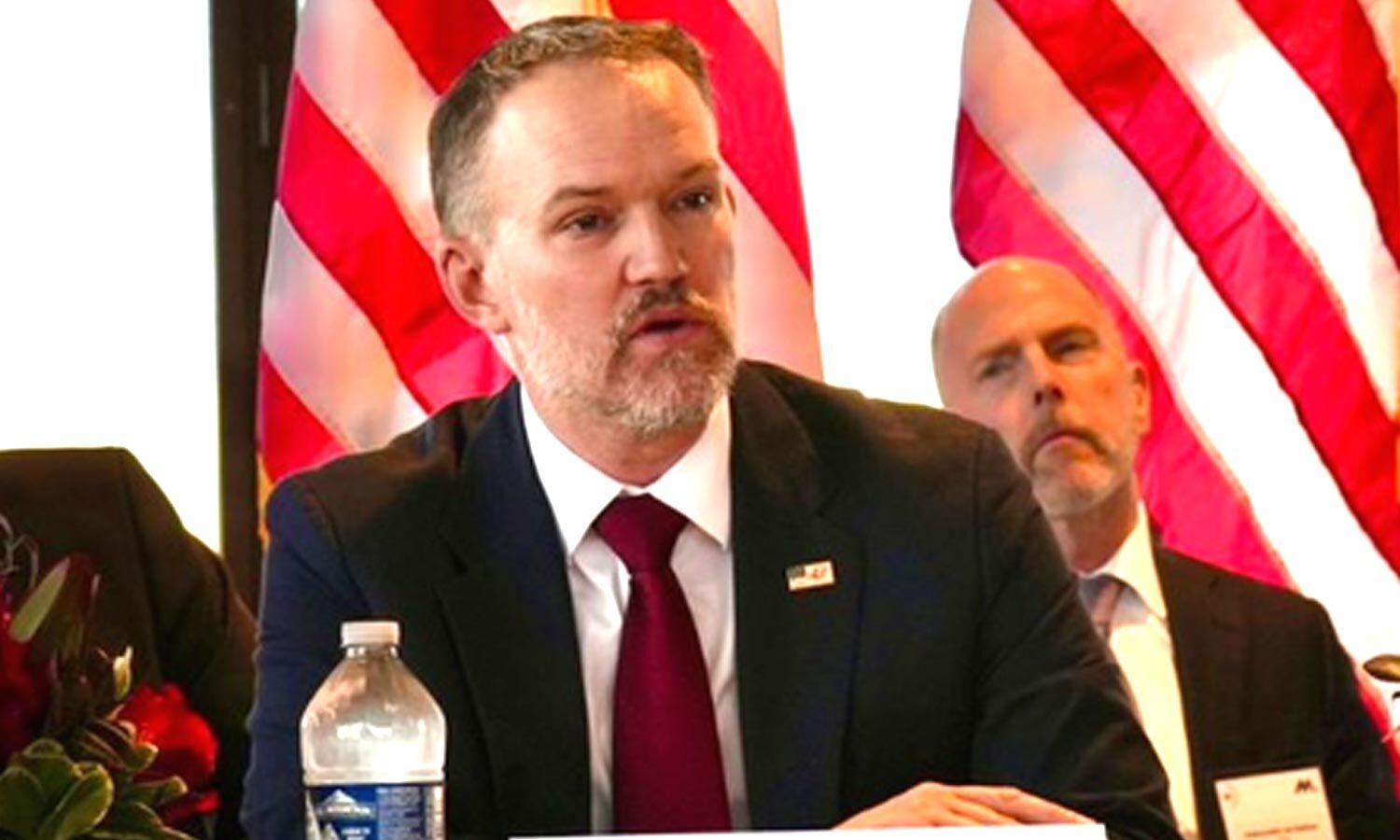
Jamieson Greer, the United States trade representative, spoke to trade ministers from G20 economies.
He said the world’s trading rules were designed decades ago and need updating.
Greer wants countries to discuss food being used as a tool of pressure, factories making too many goods, trade rules and forced labour.
He said too much production in one economy can hurt workers and businesses in other countries.
He also questioned whether the Most-Favoured-Nation rule should always apply without conditions.
The United States has used tariffs and agreements with individual countries to change its trade relationships.
Greer said difficult trade issues should be discussed at the G20 instead of being sent only to the World Trade Organization.
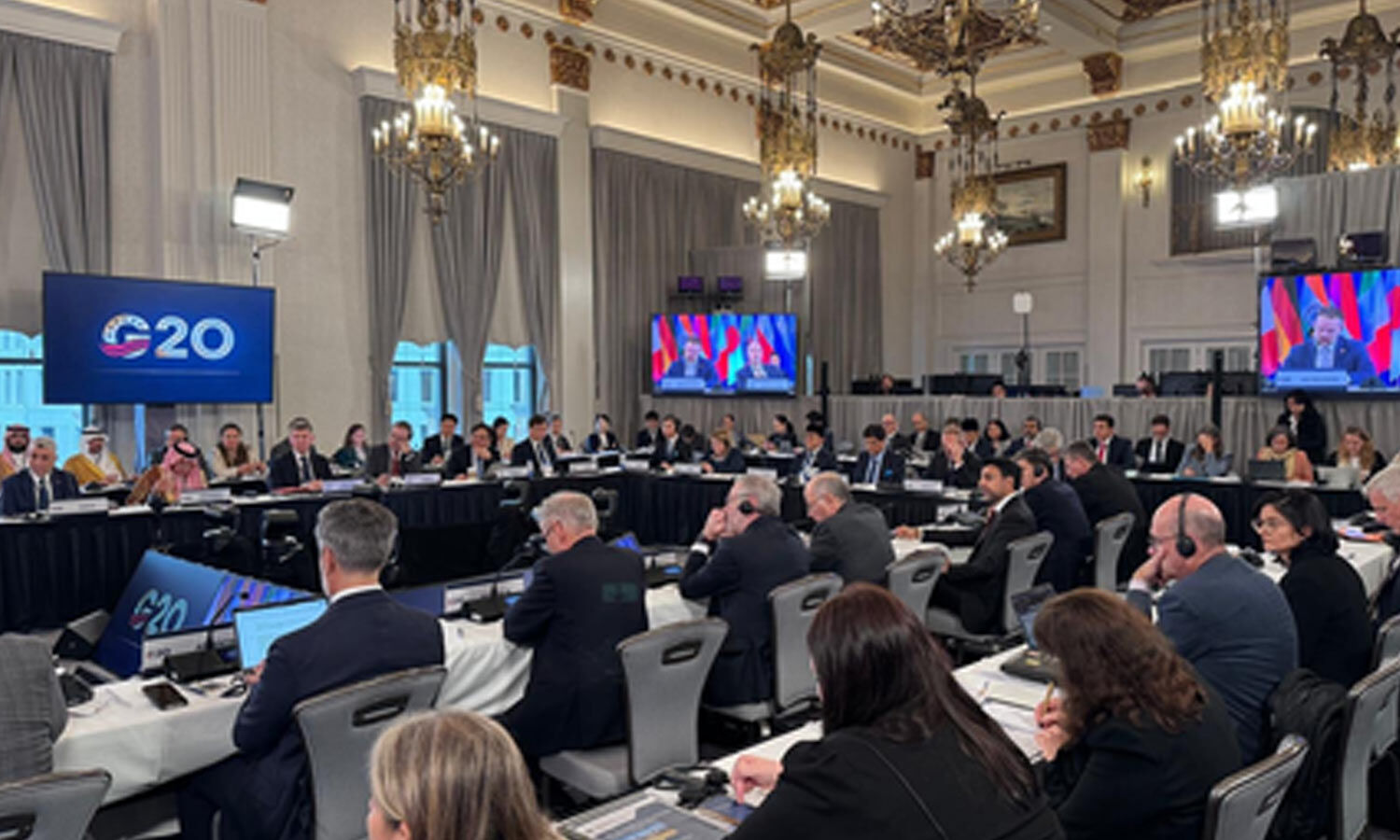
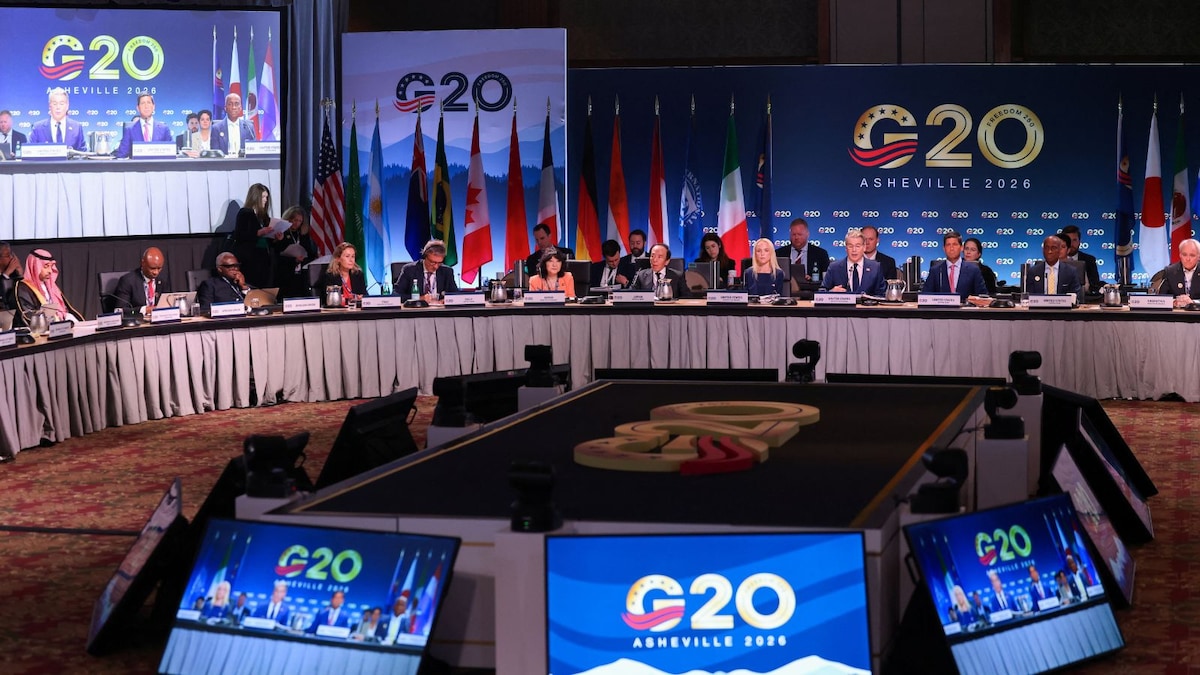
The meeting took place in Milwaukee during the United States’ G20 presidency.
The discussions are intended to prepare for a G20 leaders’ summit and encourage faster action.

US Trade Representative Jamieson Greer urged G20 economies to help create a new international economic order.
Greer said the existing global trading system is not equipped for excess production, economic coercion, forced labour and other modern challenges.
He called for discussions on food weaponisation, structural excess capacity, Most-Favoured-Nation rules and forced labour.
Greer defended US tariffs and bilateral agreements as ways to reduce the trade deficit and strengthen supply-chain resilience.
The two-day Milwaukee meeting is part of the US G20 presidency ahead of a leaders’ summit in the United States.
- Who
- US Trade Representative Jamieson Greer and trade ministers and delegates from G20 economies.
- What
- A call to develop a new international economic order and address problems in the global trading system.
- Where
- Milwaukee, United States.
- When
- Wednesday local time; the Milwaukee ministerial is a two-day meeting ahead of the G20 Leaders’ Summit.
- Why
- Greer argued that existing trade rules cannot adequately address excess production, economic coercion, forced labour and other 21st-century challenges.
US-led trade reform
Existing multilateral framework
How to address trade distortions
US-led trade reform
Greer argued that countries should candidly discuss excess capacity, economic coercion and other difficult issues within the G20, while the United States uses tariffs and bilateral agreements to seek greater reciprocity and balance.
Existing multilateral framework
The existing system relies on established multilateral structures and principles, including the World Trade Organization and Most-Favoured-Nation treatment; Greer said difficult questions are often directed to the WTO, though he argued this should not prevent G20 discussion.
Most-Favoured-Nation principle
US-led trade reform
Greer questioned whether unconditional Most-Favoured-Nation treatment still serves current needs, saying it can limit economies’ ability to respond to distortive policies and changing market conditions.
Existing multilateral framework
Many regard Most-Favoured-Nation treatment as a cornerstone of the global trading system, according to Greer’s description of the principle.
Reforming the trading system
US-led trade reform
Greer said older trade ideas should be examined and updated rather than preserved unchanged simply because they have existed for decades.
Existing multilateral framework
Reform does not require abandoning everything inherited from the existing system, and established arrangements remain part of the architecture countries are debating.
Key facts
- Speaker
- US Trade Representative Jamieson Greer
- Meeting
- G20 Trade Ministerial
- Location
- Milwaukee, United States
- Main issues
- Food weaponisation, structural excess capacity and production, Most-Favoured-Nation rules, and forced labour
- US approach
- Tariffs and bilateral agreements
- Meeting purpose
- Build urgency and recognition that action is needed on trade-system reform
- Related summit
- The G20 Leaders’ Summit, which the United States is preparing to host
Quotes

Jamieson Greer
US Trade Representative speaking at the G20 Trade Ministerial
“Typically, and too often, when difficult questions and topics arise in the G20, many around the room suggest that such discussions belong elsewhere. That they should take place in Geneva at the WTO. But Geneva is just another city on a lake. And so is Milwaukee. So, let's talk candidly and constructively here.”
 thehansindia.com
“The MFN principle, particularly when applied unconditionally, constrains economies' ability to effectively respond to distortive policies and adapt to changing market conditions.”
thehansindia.com
Sources
Related news
US Challenges Most-Favoured-Nation Principle at G20 Trade Talks
Goyal Leads India at G20 Trade Talks Amid US Deal
Goyal-Greer Talks Aim To Advance Interim India-US Trade Deal

Goyal Urges Distinction Between Food Weaponisation and Security Measures

G20 Trade Ministers Oppose Food Weaponisation, Back Rules-Based Trade
G20 Finance Chiefs Back Action on Trade Distortions, Except China

Prashant Shekhar Advocates Human-First Automation

Rockwell Automation Expands in India for Global Exports