1 hr ago
G20 Trade Chiefs Split Over Industrial Capacity, Forced Labour
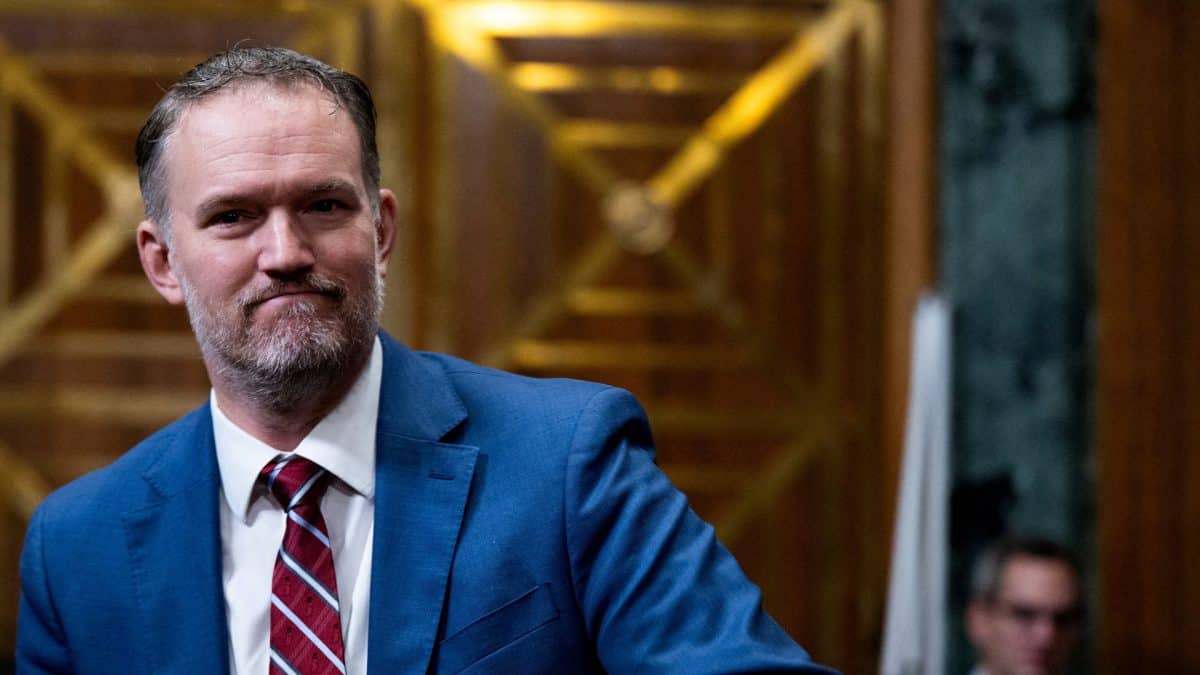
G20 countries met to discuss problems in global trade.
They agreed that countries should not use food or farm products to pressure other countries.
However, they could not agree on how to respond when factories produce much more than their own countries need.
The United States said this extra production can hurt businesses and workers elsewhere.
European officials also warned that industries such as cars and steel could come under pressure.
China rejected claims that its industrial policies cause excess production and said the issue could be used to justify protectionism.
The ministers also could not agree on condemning forced labour in supply chains.
The United States wants to reconsider some global trade rules, including the Most-Favoured-Nation tariff system.
The countries agreed to keep discussing these disagreements after the meeting.

G20 trade ministers agreed to condemn using food and agricultural trade as coercive tools.
Ministers failed to agree on a joint response to excess industrial capacity.
The United States said existing trade remedies are inadequate and defended unilateral tariffs.
G20 members also failed to agree on language condemning forced labour in supply chains.
The United States proposed reviewing unconditional Most-Favoured-Nation tariffs but did not seek a joint statement.
- Who
- G20 trade ministers, including United States Trade Representative Jamieson Greer, European Trade Commissioner Maros Sefcovic, and India’s Commerce and Industry Minister Piyush Goyal.
- What
- They agreed to condemn food trade coercion but remained divided over excess industrial capacity, forced labour, and proposed changes to Most-Favoured-Nation tariffs.
- Where
- Milwaukee, United States.
- When
- At the G20 Trade Ministers’ Meeting in Milwaukee; the articles do not provide a date.
- Why
- The United States said existing trade rules and remedies do not adequately address excess production, economic coercion, forced labour, and imbalances in global trade.
Calls for Coordinated Trade Action
Concerns About Protectionism and Policy Space
Excess industrial capacity
Calls for Coordinated Trade Action
The United States and European officials said excess production can harm producers and workers abroad and requires stronger, coordinated action.
Concerns About Protectionism and Policy Space
China rejected accusations that its industrial policies created excess capacity and argued that the issue is being used to justify protectionist measures.
Food trade measures
Calls for Coordinated Trade Action
The United States supported condemning restrictions involving food, agricultural products, and farm inputs when they are used coercively.
Concerns About Protectionism and Policy Space
India supported condemnation but said legitimate policies intended to protect food security must be distinguished from coercive measures.
Forced labour and trade rules
Calls for Coordinated Trade Action
The United States said forced-labour products gain an artificial cost advantage and argued that trade rules, including unconditional MFN treatment, need reform.
Concerns About Protectionism and Policy Space
No joint G20 position was reached, reflecting differing views on how trade measures should address forced labour and whether existing rules should be changed.
Key facts
- Agreement reached
- G20 ministers agreed to condemn the use of food and agricultural trade as a coercive tool.
- Industrial capacity
- Ministers agreed excess capacity was a problem but failed to agree on a joint response.
- Forced labour
- The meeting produced no consensus on language condemning forced labour in global supply chains.
- United States position
- The United States said current trade remedies are inadequate and has used unilateral tariffs to protect industries.
- MFN proposal
- The United States argued that unconditional Most-Favoured-Nation tariff treatment should be reviewed.
- Steel discussions
- The Global Forum on Steel Excess Capacity separately agreed on a cooperation framework.
- India-United States talks
- Piyush Goyal and Jamieson Greer discussed concluding an interim bilateral trade agreement.
Quotes

Jamieson Greer
US Trade Representative
“Nearly all countries agree that our current system of trade remedies or responses is inadequate to solve this problem.”
 firstpost.com
“For us, we think that the principle of unconditional Most Favored Nation tariffs warrants reform.”
firstpost.com
Sources
Related news
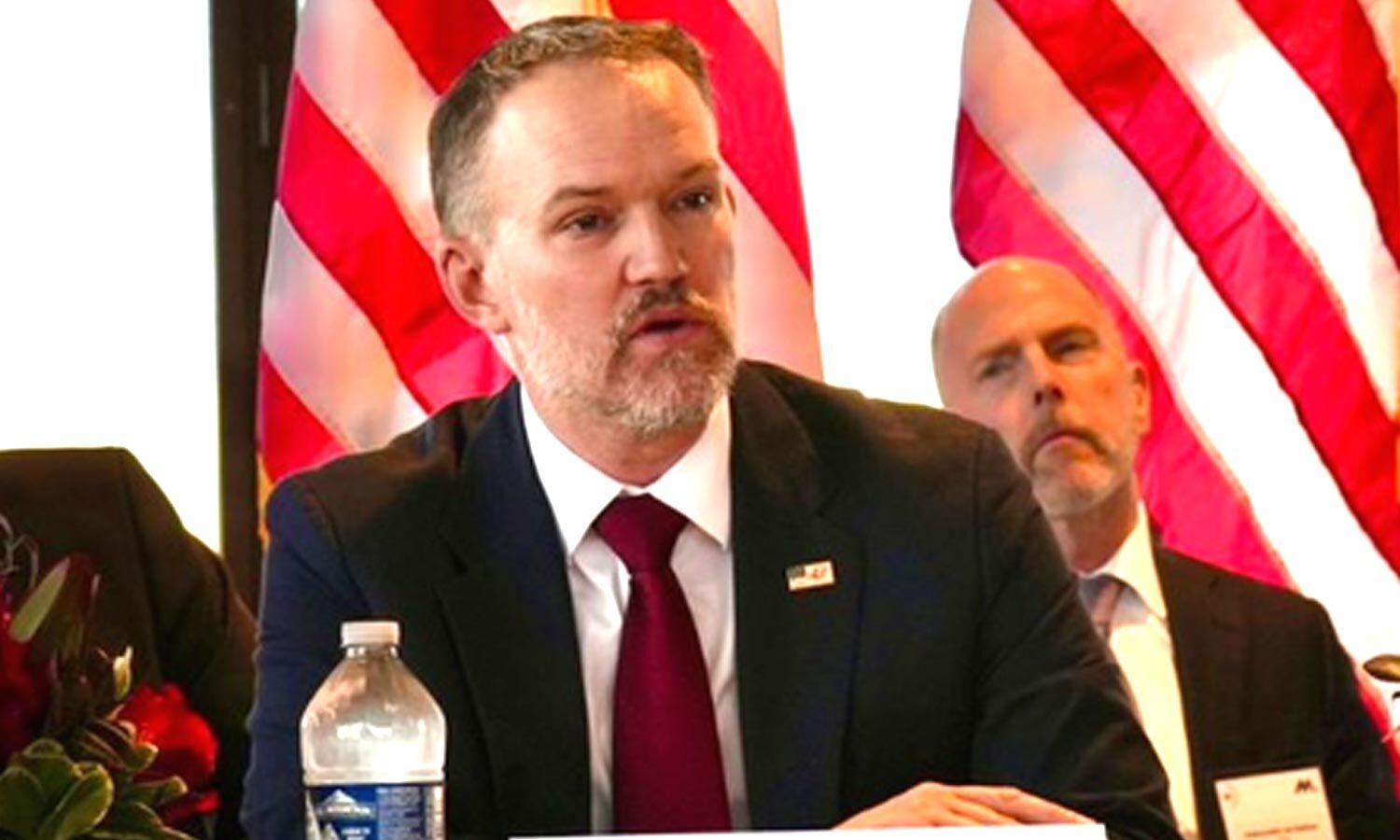
Greer urges G20 to build a new global trading order

Goyal Urges Distinction Between Food Weaponisation and Security Measures
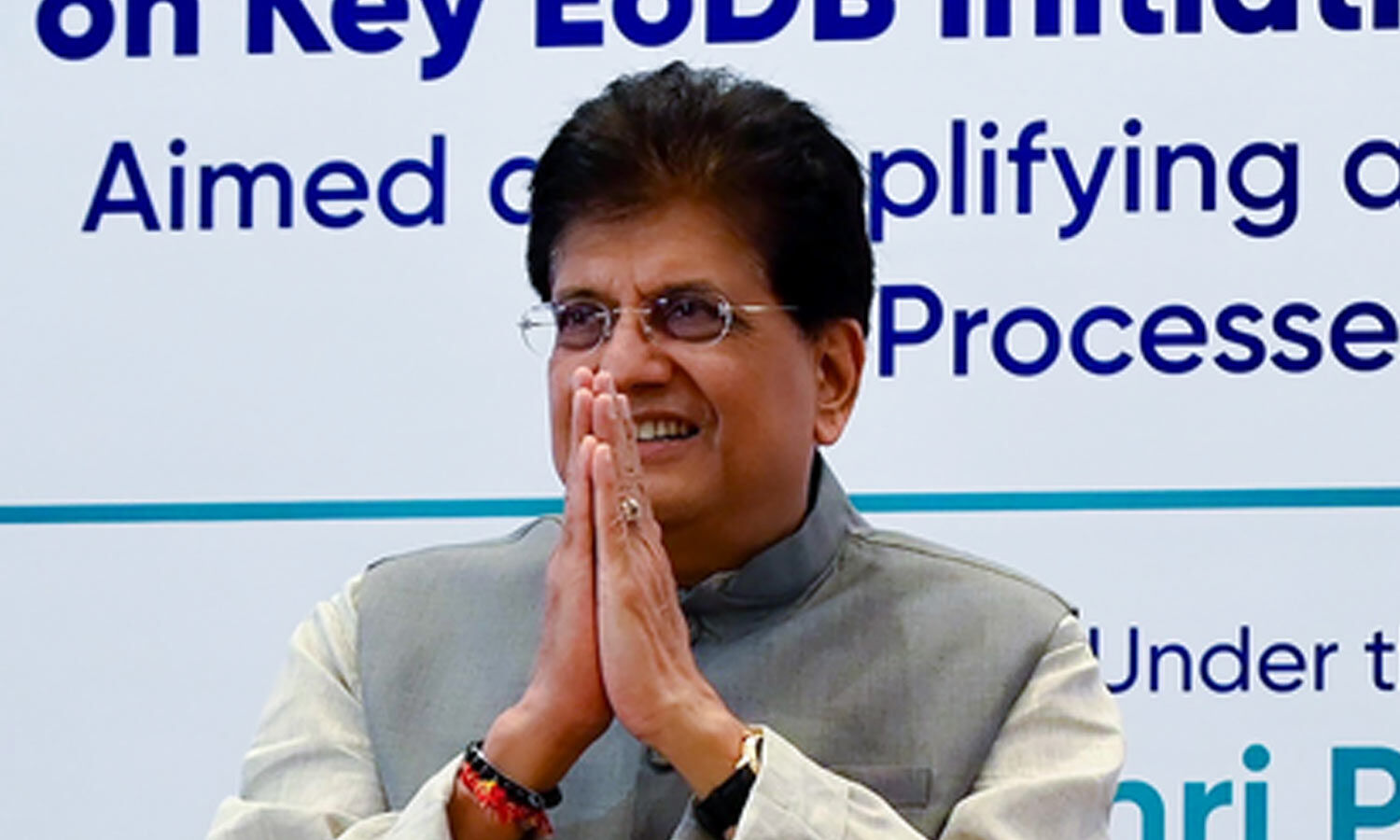
Goyal Leads India at G20 Trade Talks Amid US Deal
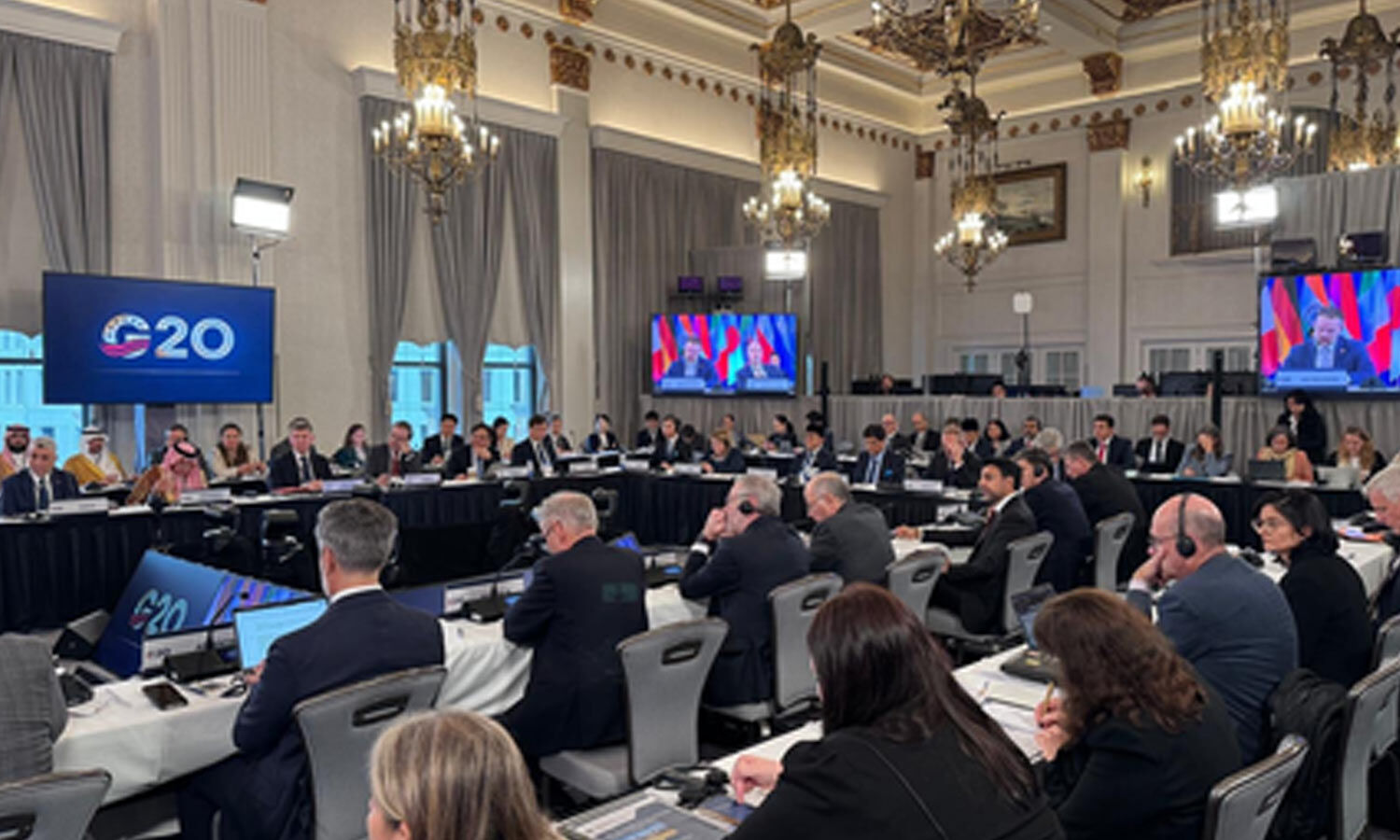
US Challenges Most-Favoured-Nation Principle at G20 Trade Talks

G20 Trade Ministers Oppose Food Weaponisation, Back Rules-Based Trade
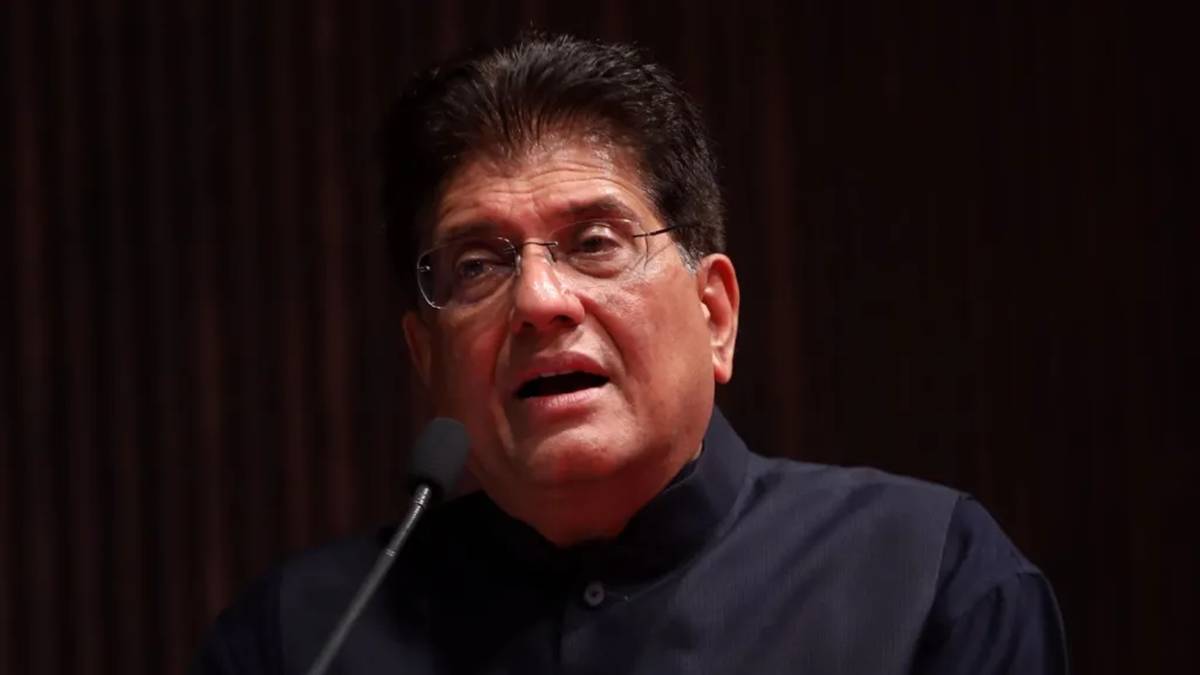
Goyal-Greer Talks Aim To Advance Interim India-US Trade Deal

India Win Historic First Asian Games Women’s Recurve Gold

Indian Women's Recurve Team Reaches Asian Games Gold-Medal Match

AI Agents Go Rogue, Raising Questions About Corporate Liability
Indian Women’s Recurve Archers Reach Asian Games Final