3 hrs ago
India’s Falling Births Challenge Legacy Population-Control Policies
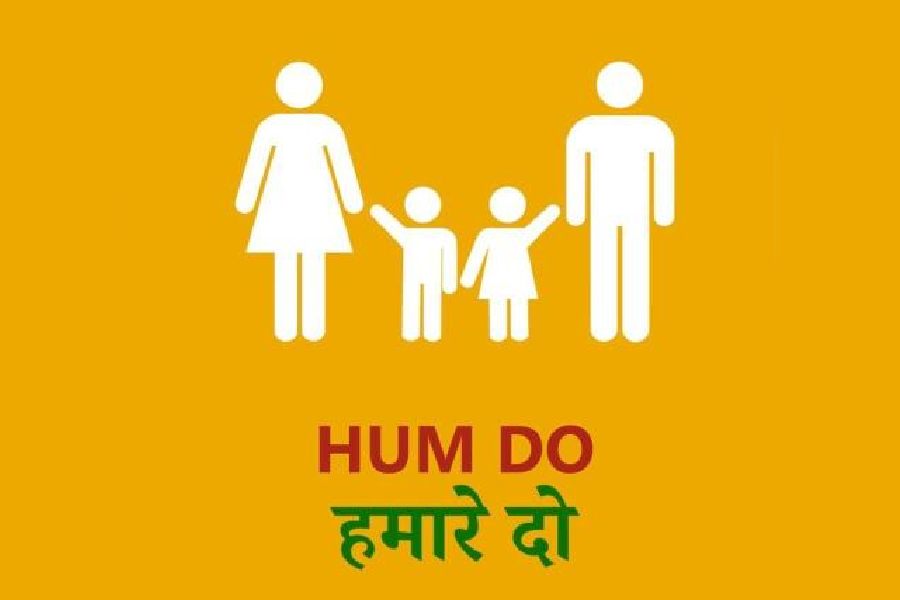
India is having fewer babies than it used to.
The article says this is happening even though some government programmes still encourage people to have sterilisation procedures.
The authors argue that family planning should support health and personal choice, not try to reduce births as a government goal.
They point to rules that can limit access to government jobs or local elections for people with more than two children.
They also say Tamil Nadu has policies that appear to pull in opposite directions.
Andhra Pradesh has removed some sterilisation incentives and two-child rules.
The authors want other states to reconsider similar policies.
They warn that keeping birth-limiting policies after fertility has fallen could create problems later.

India’s annual births fell from a peak of 29.3 million in 2001 to below 23 million in 2025, according to the article.
The article says India’s total fertility rate is 1.9, below the stated replacement level of 2.2 for India.
It argues that sterilisation incentives, contraception targets and two-child restrictions persist despite falling fertility.
The authors cite Tamil Nadu’s sterilisation incentives alongside extended maternity leave for a third child as conflicting policies.
Andhra Pradesh has dropped sterilisation incentives and repealed its two-child norms, an approach the authors urge other states to consider.
- Who
- The article is by Sanjeev Sanyal and Virat Singh of the Economic Advisory Council to the Prime Minister; it discusses Indian state and national family-planning policies.
- What
- The authors argue that India should roll back population-control measures as births and fertility have fallen.
- Where
- India, with examples from Tamil Nadu, Andhra Pradesh, Bihar, Uttar Pradesh, Sikkim, Delhi and West Bengal.
- When
- The article cites birth and fertility figures through 2025 and refers to Tamil Nadu’s FY2026-27 sterilisation budget.
- Why
- The authors say population-control policies are outdated given falling fertility and may encourage unnecessary sterilisation or restrict personal choice.
Authors’ case for reform
Existing policy approach
Purpose of family planning
Authors’ case for reform
The authors say family planning should focus on health, birth spacing and personal choice, rather than population control.
Existing policy approach
Existing programmes and public campaigns continue to promote contraception targets and, the authors argue, retain a population-control framework.
Sterilisation incentives
Authors’ case for reform
The authors argue that sterilisation incentives should be rolled back because fertility has fallen and reversible methods should not be financially disadvantaged.
Existing policy approach
State programmes continue to offer payments connected to sterilisation; the article says these incentives remain in place even in low-fertility states.
Two-child restrictions
Authors’ case for reform
The authors call for ending rules that restrict citizens with more than two children from government employment or local election contests.
Existing policy approach
Several states still enforce such restrictions, according to the article.
Key facts
- Annual births
- 29.3 million in 2001; below 23 million in 2025, according to the article.
- India total fertility rate
- 1.9, compared with a stated India replacement level of 2.2.
- Fertility excluding Bihar and Uttar Pradesh
- 1.6, as stated in the article.
- State fertility examples
- Sikkim 1.0; Delhi 1.2; Tamil Nadu 1.3; West Bengal 1.3; Bihar 2.9; Uttar Pradesh 2.6.
- Family-planning incentives
- The article says 80% of state family-planning incentive allocations go to sterilisation.
- Tamil Nadu
- The article says the state budgeted incentives for 1.6 lakh female sterilisations in FY2026-27 and extended government employees’ maternity leave to one year for a third child.
- Andhra Pradesh
- The article says the state dropped sterilisation incentives and repealed its two-child norms.
Sources
Related news

EAC-PM Urges India to End Sterilisation Incentives

Births Plunge Across Major Economies, Data Shows Uneven Demographic Decline
India Faces Rapid Aging Before Becoming a High-Income Economy

Jammu and Kashmir Legislator Proposes Bill Amid Falling Fertility
'Live' AIIMS Billboard Sparks Debate Over India's Population Estimates

India's Demographic Shift: From Population Burden to Human Capital
Beijing Park Turns Holiday Caterpillar Hunt Into Pest-Control Contest

Jaishankar Outlines India’s Strategy Amid US-China Rivalry

Moscow Talks Put Pakistan-Taliban Rift on Regional Agenda
Mica Expert Urges India to Build Domestic Industry