2 weeks ago
Rani Chennamma's 1824 Kittur Revolt Came Decades Before 1857 Uprising
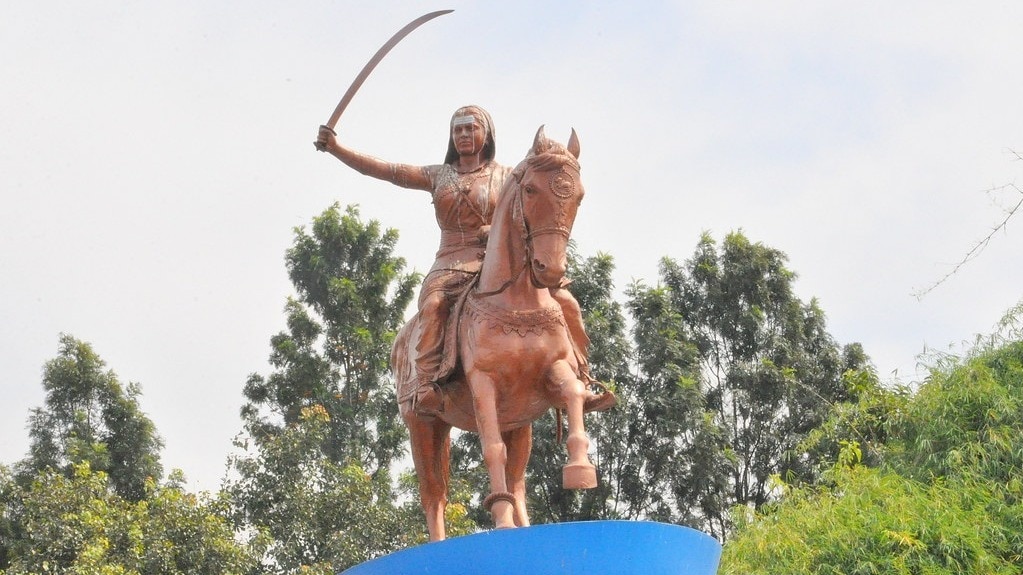
Long ago, India was made up of many kingdoms, and a big trading company from Britain wanted to control them all.
In a small kingdom called Kittur, a queen named Rani Chennamma became the ruler after her husband died.
When her own son died, she adopted a boy named Shivalingappa to be her heir.
But the British East India Company refused to accept her choice and tried to take over Kittur.
The queen and her brave soldiers fought back and won a big battle on October 23, 1824.
The British soldiers were so surprised that they lost, and one of their leaders was killed.
Later, the British came back with many more soldiers, and this time they captured the fort.
Rani Chennamma was taken prisoner to a faraway fort, where she died in 1829.
Her commander kept fighting for a few more years, but he was caught too.
Her story shows people that Indians fought for freedom long before the big uprising of 1857.

Rani Chennamma, ruler of Kittur, led an armed revolt against the British East India Company in 1824, 33 years before the 1857 uprising.
The conflict began when the East India Company refused to recognise her adopted son Shivalingappa as heir after her biological son died.
On October 23, 1824, Chennamma's forces defeated the British at Kittur Fort, killing collector St John Thackeray and capturing two officers.
The British regrouped with a larger force and overwhelmed Kittur's defences by December 1824, capturing and imprisoning Chennamma.
Chennamma died in prison in 1829, while her commander Sangolli Rayanna continued guerrilla resistance until his execution in 1831.
- Who
- Rani Chennamma, ruler of the Kittur principality, along with her forces, fought the British East India Company.
- What
- A revolt against the East India Company's refusal to recognise Kittur's adopted heir; Kittur's forces initially defeated the British but were later overwhelmed.
- Where
- Kittur, a principality in Karnataka's Belagavi region; Chennamma was imprisoned at Bailhongal Fort.
- When
- October to December 1824, following a succession dispute that began in 1824, with resistance continuing until 1831.
- Why
- The British East India Company refused to recognise the adoption of Shivalingappa and sought greater control over Kittur.
Key facts
- Ruler
- Rani Chennamma of Kittur
- Location
- Kittur, in Karnataka's Belagavi region
- Key battle date
- October 23, 1824
- British losses
- St John Thackeray killed; two officers captured
- Adopted heir
- Shivalingappa
- Chennamma's imprisonment
- Bailhongal Fort; died in 1829
- Sangolli Rayanna
- Executed in 1831 after guerrilla resistance
- Historical significance
- Early precursor to the Doctrine of Lapse and a woman-led revolt before 1857
Sources
Related news
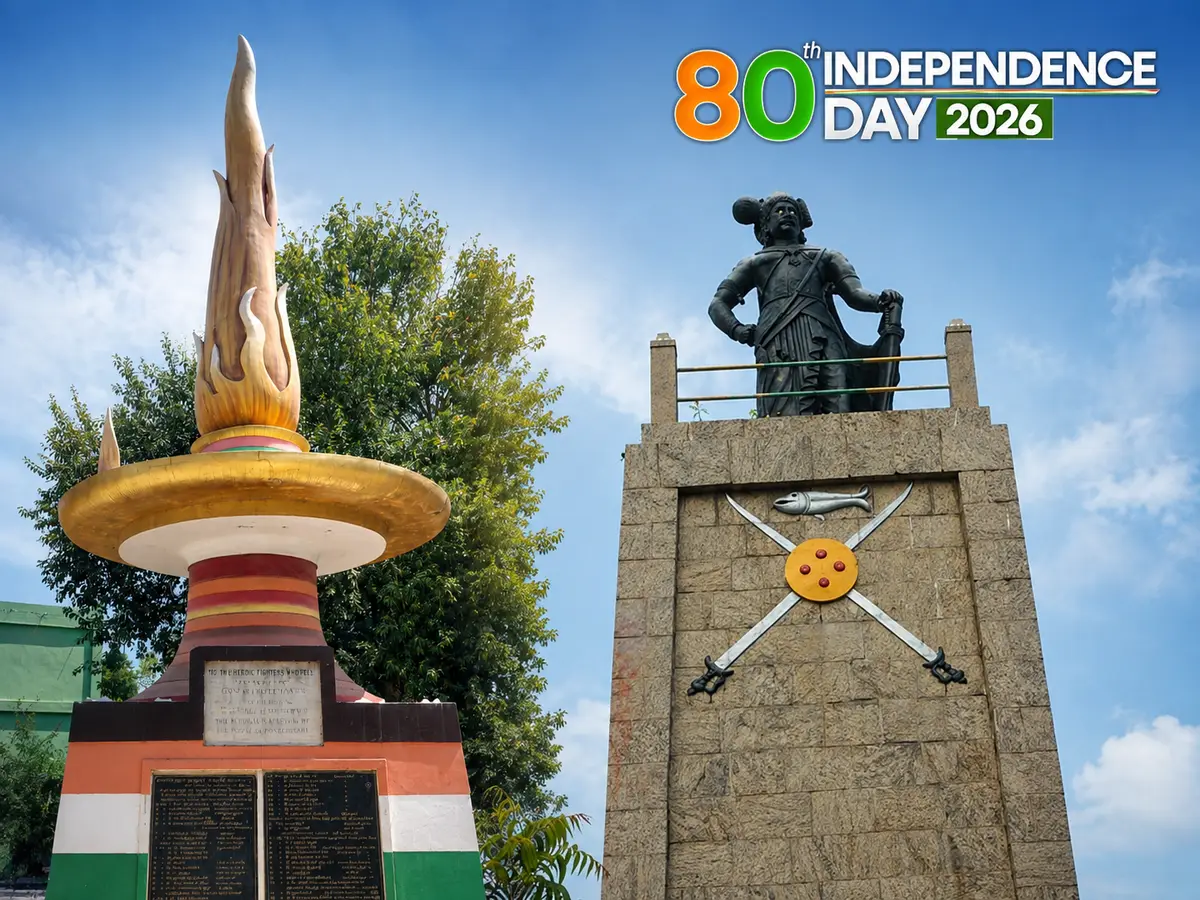
Tamil Nadu freedom fighters recalled from Kattabomman to Vellore Mutiny
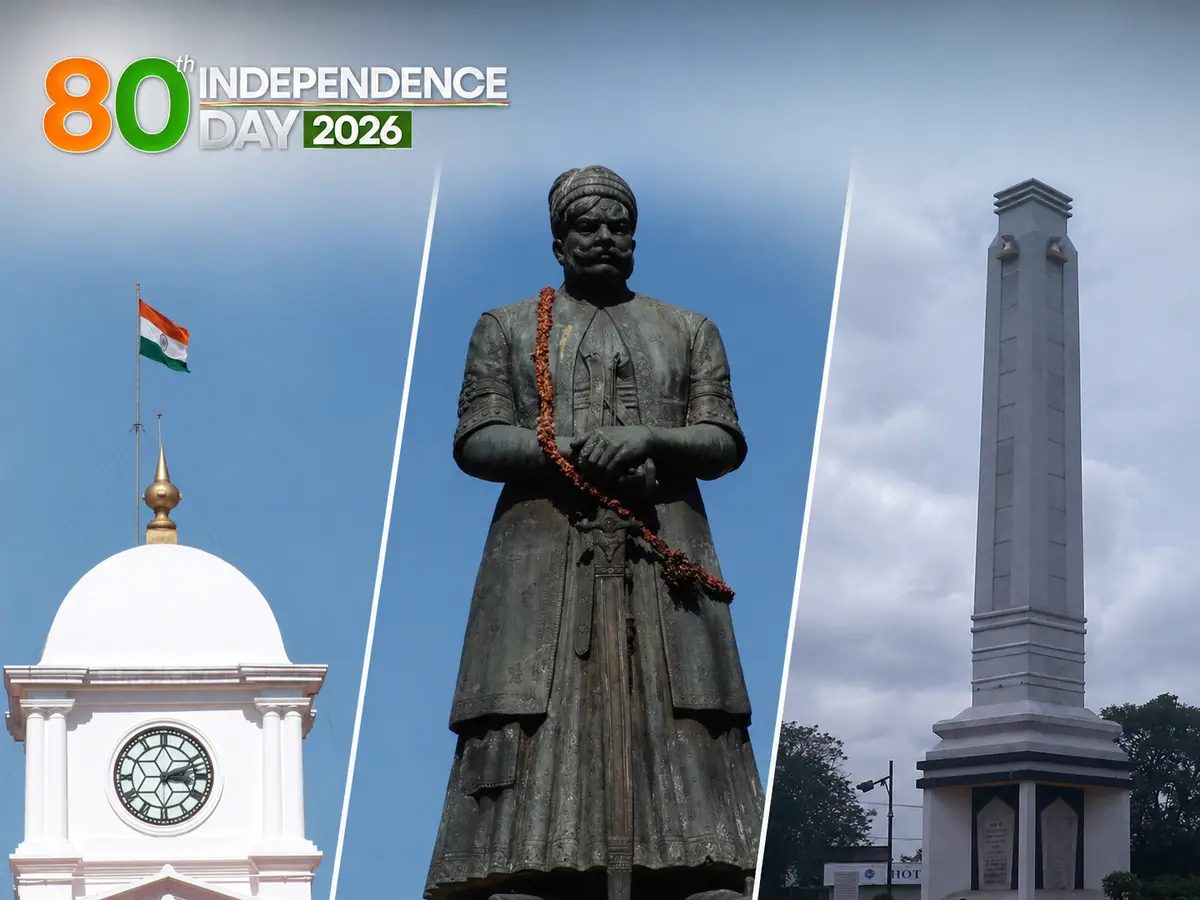
Kerala's Freedom Martyrs: From Pazhassi Raja to Commoners

Rajnath Singh Unveils Lucknow Statue Honoring Queen Avantibai Lodhi
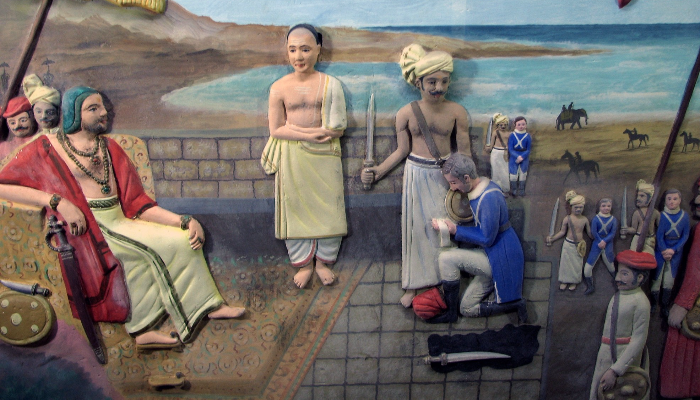
Battle of Colachel ends Dutch colonial ambitions in India

Where the 1857 Mutiny Left Its Mark on Delhi's Ridge
How Nepal Sheltered Nana Saheb After India’s 1857 Revolt