1 week ago
Silent AFib Can Raise Stroke Risk Fivefold, Doctors Warn

Atrial fibrillation, or AFib, is a problem with the heart’s rhythm.
The upper parts of the heart do not squeeze normally.
Some people feel tired, dizzy, breathless or notice a racing heartbeat.
Others feel almost nothing and may not know they have it.
AFib can make a stroke about five times more likely.
Doctors can look for it with an ECG or longer heart monitoring.
Some smartwatches can also help detect irregular heartbeats.
Treatments include medicines, procedures and controlling conditions such as high blood pressure and diabetes.
Doctors say people should not assume unusual tiredness or breathlessness is simply ageing or anxiety.

Atrial fibrillation can develop gradually and may cause few or no noticeable symptoms.
Experts said AFib can increase stroke risk about fivefold and may also contribute to heart failure and dementia.
India’s AFib risks include hypertension, diabetes, obesity, low muscle mass and rheumatic heart disease.
A 12-lead ECG can detect AFib, while prolonged monitoring or some smartwatches may identify intermittent cases.
Doctors highlighted catheter ablation, newer blood thinners and risk-factor control as important treatment approaches.
- Who
- Prof. Dhiraj Gupta and Dr C. Narasimhan, along with other doctors, discussed the risks and treatment of AFib.
- What
- Experts warned that often-silent atrial fibrillation can raise stroke risk fivefold and urged earlier detection and comprehensive treatment.
- Where
- The discussion was reported in Hyderabad, India, involving AIG Hospitals.
- When
- The article does not provide a specific date; it describes AFib as a growing concern as people live longer and lifestyle-related conditions increase.
- Why
- AFib may go undetected, while conditions including hypertension, diabetes, obesity and rheumatic heart disease increase cardiovascular risk.
Key facts
- Condition
- Atrial fibrillation, the most common heart rhythm disorder
- Stroke risk
- AFib can increase the risk of stroke by about five times
- Possible complications
- Heart failure and, over the long term, increased dementia risk
- Detection
- A 12-lead ECG can detect AFib; intermittent cases may require two or three weeks of monitoring
- Indian risk factors
- Hypertension, diabetes, obesity, sarcopenic obesity and rheumatic heart disease
- Treatment advances
- Catheter ablation, including pulsed-field ablation, and newer blood-thinning medicines
- Prevention focus
- Doctors stressed controlling blood pressure, diabetes, obesity and other lifestyle-related risks
Quotes
Prof. Dhiraj Gupta
Globally recognised expert in AFib and cardiac electrophysiology from the UK
“Patients may think they are feeling tired or breathless because they are getting older or are less fit. They may not realise that they have a heart rhythm problem.”
 deccanchronicle.com
Sources
Related news
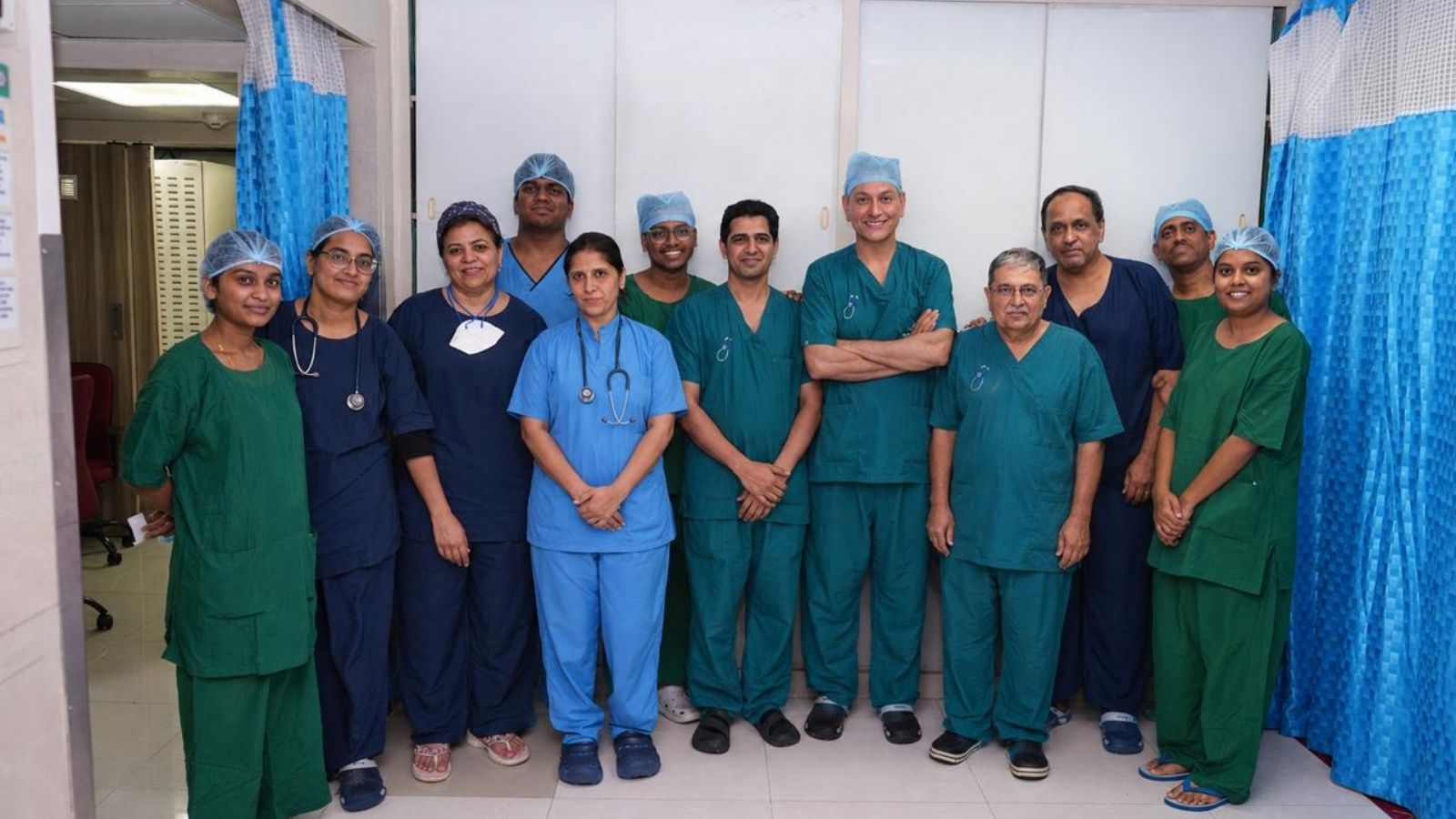
Rare combined heart procedure helps 77-year-old avoid blood thinners

Why Fatty Liver Can Hide Even In Young Adults
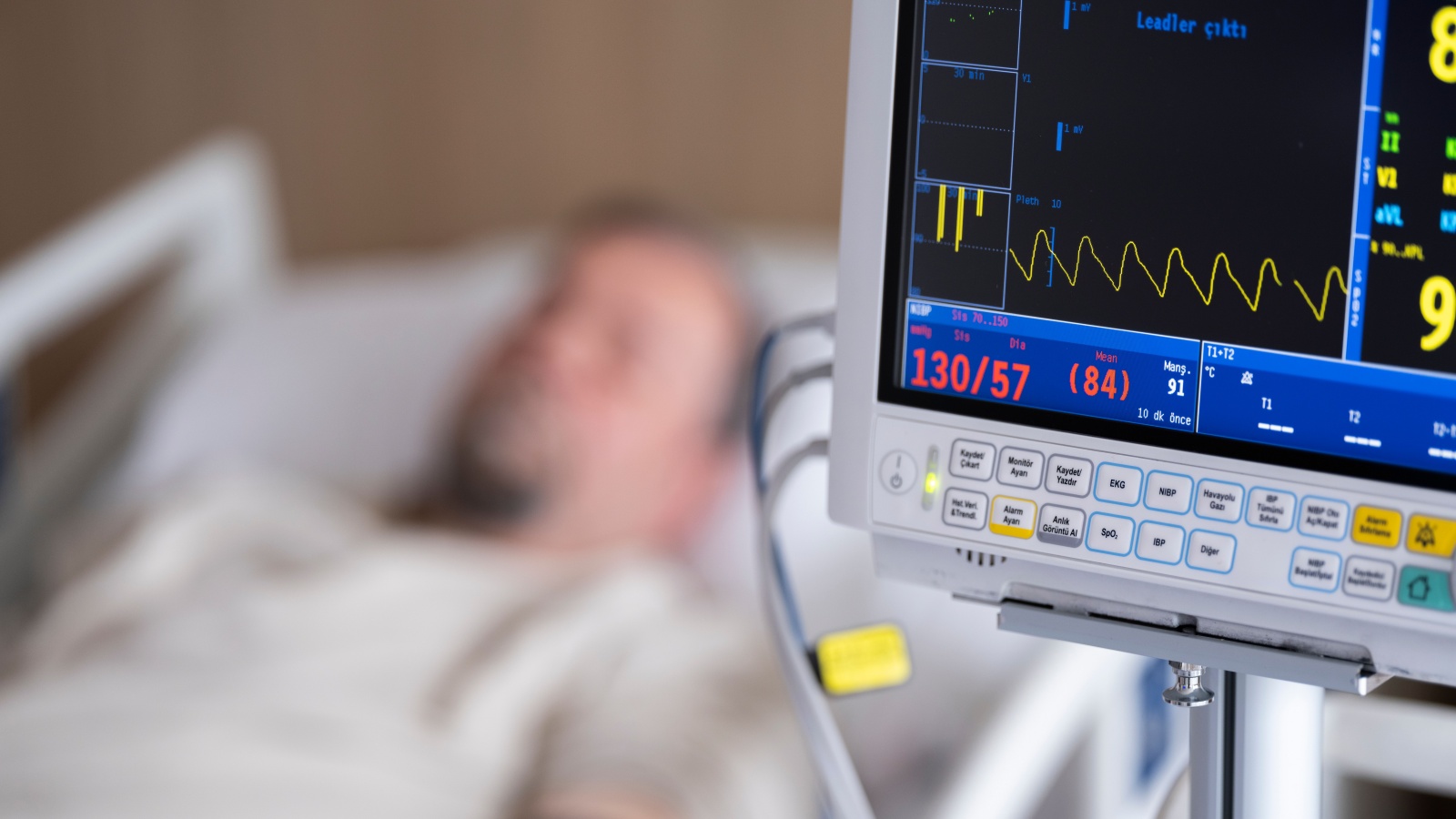
Assam Doctor’s Gym Collapse Highlights Risks of Sudden Cardiac Arrest

Why Indians Are Ageing Faster Than They Realise

AI Helps Reveal Hidden Heart Risks Between Heartbeats

Why Young Adults Should Check Heart Health Before 25

Pawan Kalyan Birthday Draws Wishes From Modi, Film Stars

Gautam Ghattamaneni’s Blunt Toxic Rating Sparks Letterboxd Buzz
Rajamouli Plans Global Push for Mahesh Babu’s Varanasi

Visakhapatnam Set for Trillion-Dollar Hub with New AIG Hospital

Prithviraj Sukumaran Finds Rising Telugu Demand Amid Kerala Slump