2 hrs ago
Delhi High Court Seeks Centre’s Stand on Addictive Social Media Features
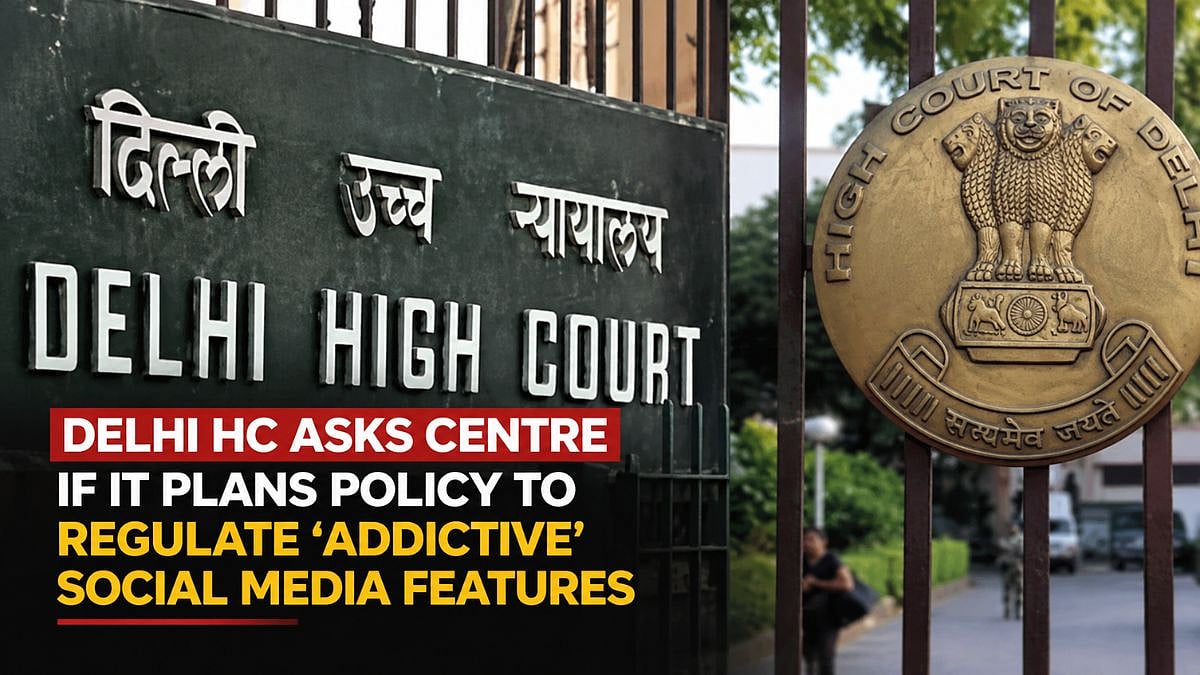
A law professor asked the Delhi High Court to examine how social media apps are designed.
He says the main problem is not only what people see online.
He says features such as endless scrolling and videos that play automatically can make people keep using the apps.
Personalised feeds, notifications and likes may also encourage repeated checking.
The petition asks the government to study these features and possibly regulate them.
It also asks for protections for children and young users.
The government’s lawyer said the issue may be for policymakers and questioned whether the court should hear the case.
The court asked the government whether it is considering a policy and will hear the matter again after three weeks.

The Delhi High Court asked whether the Centre plans a policy regulating addictive social media designs.
A PIL seeks an expert committee to examine engagement-maximising platform features and recommend safeguards.
Petitioner Vikas Kathuria said the concern is platform design, rather than the content users see.
The petition identifies infinite scroll, autoplay, personalised feeds, notifications and “likes” as attention-retaining features.
The court will hear the case again after three weeks, while the Centre and platforms questioned its maintainability.
- Who
- The Delhi High Court, the Centre, petitioner Vikas Kathuria, and social media platforms.
- What
- The court sought the Centre’s position on a policy to regulate potentially addictive social media design features.
- Where
- The Delhi High Court in New Delhi.
- When
- The court heard the matter on September 16, 2026, and scheduled another hearing after three weeks.
- Why
- The PIL alleges that engagement-focused features can capture and repeatedly stimulate users’ attention, with particular concerns about young users.
Regulation and Judicial Examination
Policy-Making and Maintainability Concerns
How to address excessive use
Regulation and Judicial Examination
The petitioner says platform architecture encourages repeated engagement and seeks restrictions or regulation of features such as infinite scroll, autoplay and persistent notifications.
Policy-Making and Maintainability Concerns
The Centre’s counsel said the issues fall within the domain of policymakers and suggested that the petitioner could submit a representation to the government.
Whether the court should hear the PIL
Regulation and Judicial Examination
The petitioner seeks court directions and an expert committee to examine engagement-maximising design features and recommend safeguards.
Policy-Making and Maintainability Concerns
The Centre and certain social media platforms objected to the petition’s maintainability, citing earlier court orders that had declined to entertain similar petitions.
Key facts
- Petitioner
- Vikas Kathuria, a professor of law
- Case type
- Public interest litigation
- Features cited
- Infinite scroll, autoplay, personalised feeds, notifications and “likes”
- Requested action
- A policy or regulation and an expert committee to recommend safeguards
- Young-user statistic
- The petition says people aged 18 to 24 spend more than 120 minutes daily on social media on average
- Next hearing
- After three weeks
- Government response
- Additional Solicitor General Chetan Sharma said he did not have specific instructions on whether a policy was being considered
Quotes
Delhi High Court bench
The bench of Justices Nitin Wasudeo Sambre and Amit Sharma hearing the public interest litigation
“You take instructions whether you are contemplating framing of a policy and we will have the matter after three weeks.”
 freepressjournal.in
Sources

Related news

Delhi High Court PIL Challenges Addictive Social Media Design Features
29 States Seek Instagram Feature Removals and Algorithm Deletion

Meta Faces US Trial Over Alleged Social Media Addiction

India Studies Meta’s $17.1 Billion Settlement on Child Safety

Meta Settlement Limits Features but Avoids Public Trial

Meta Faces Trial Over Claims Its Platforms Hook Children
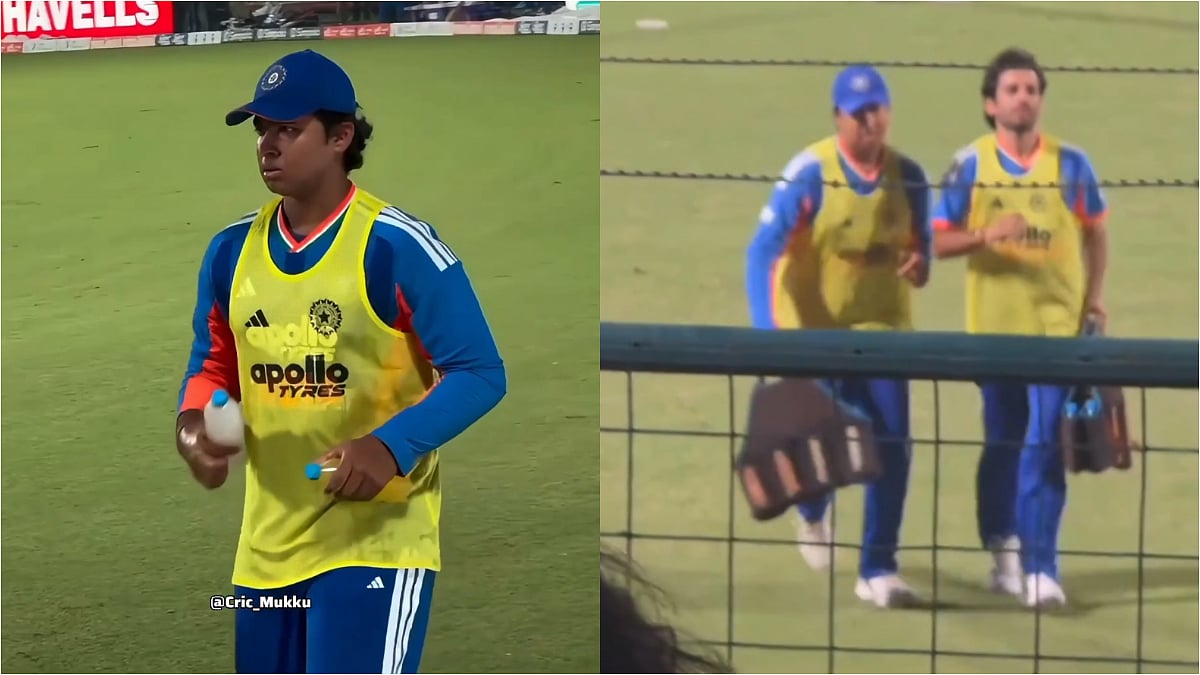
Fans Slam BCCI as Vaibhav Sooryavanshi Performs Water Duty

Centre Reconstitutes CBFC With 18-Member Film Panel

Government cleanliness drives earn over Rs 5,000 crore from scrap
Motilal Nehru College Faculty Protest Alleged DUSU Campaigner Assault
SEMICON India 2026 Spotlights India’s Semiconductor Manufacturing Ambitions