1 week ago
Trade Tensions, Amazon Clash and Shipping Risks Intensify

New York’s mayor and Amazon are arguing about rules for delivery warehouses and drivers.
The mayor supports a law that would require more safety rules and direct hiring by Amazon.
Amazon says the law could make it move some warehouses and make deliveries more expensive.
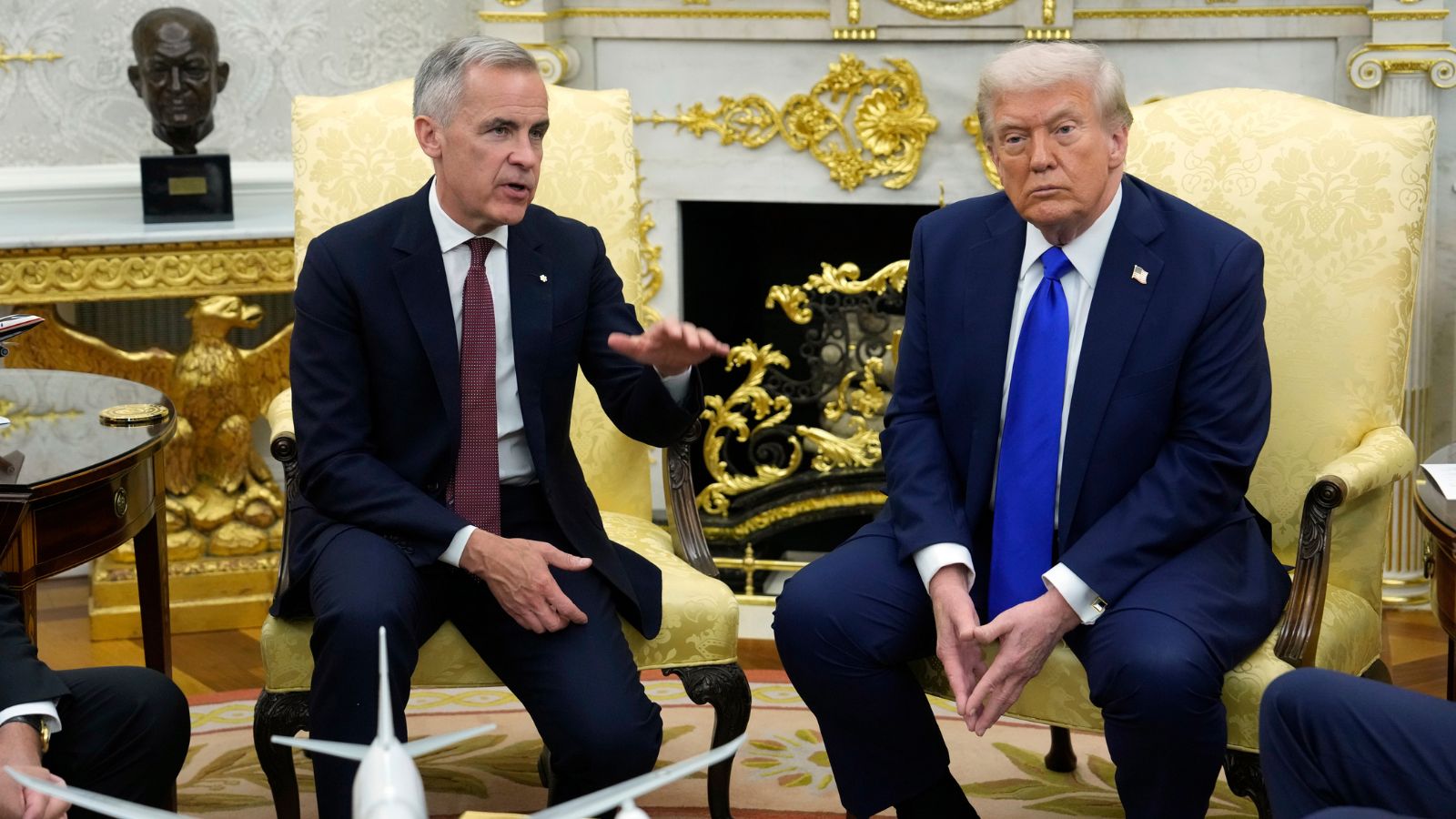
Canada and the United States are also imposing new taxes on each other’s goods after trade talks failed.
These taxes affect products such as steel, aluminum, appliances and food.
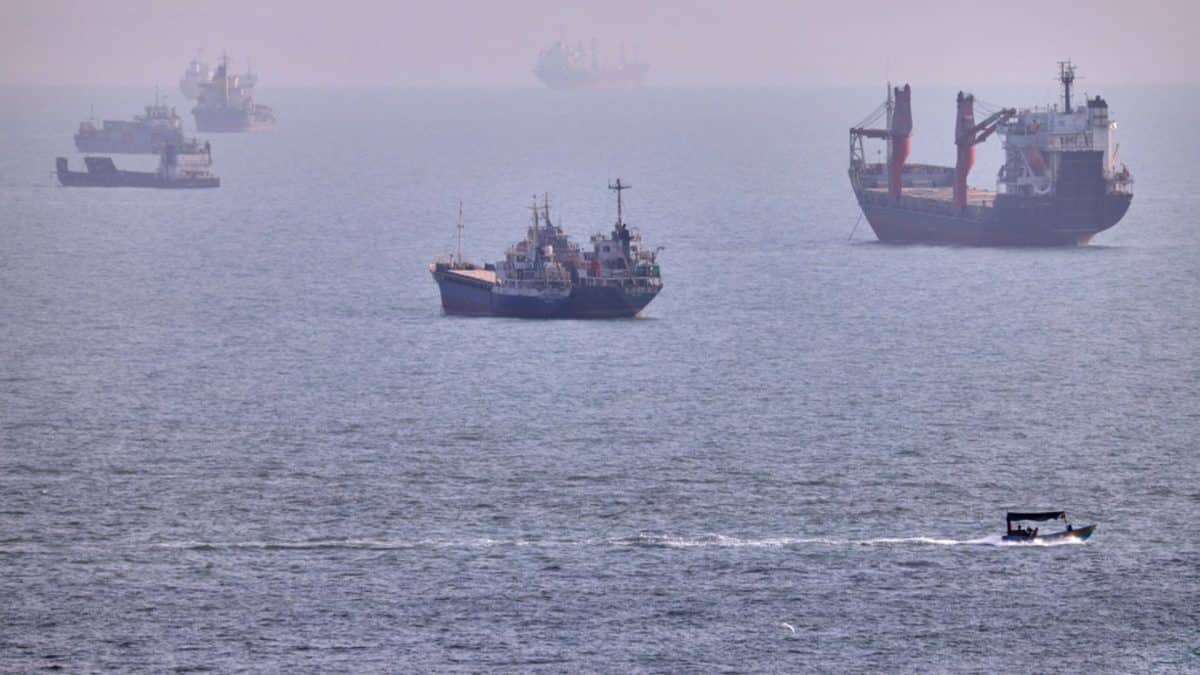
Ships are becoming more expensive to insure because fighting and attacks make important sea routes riskier.
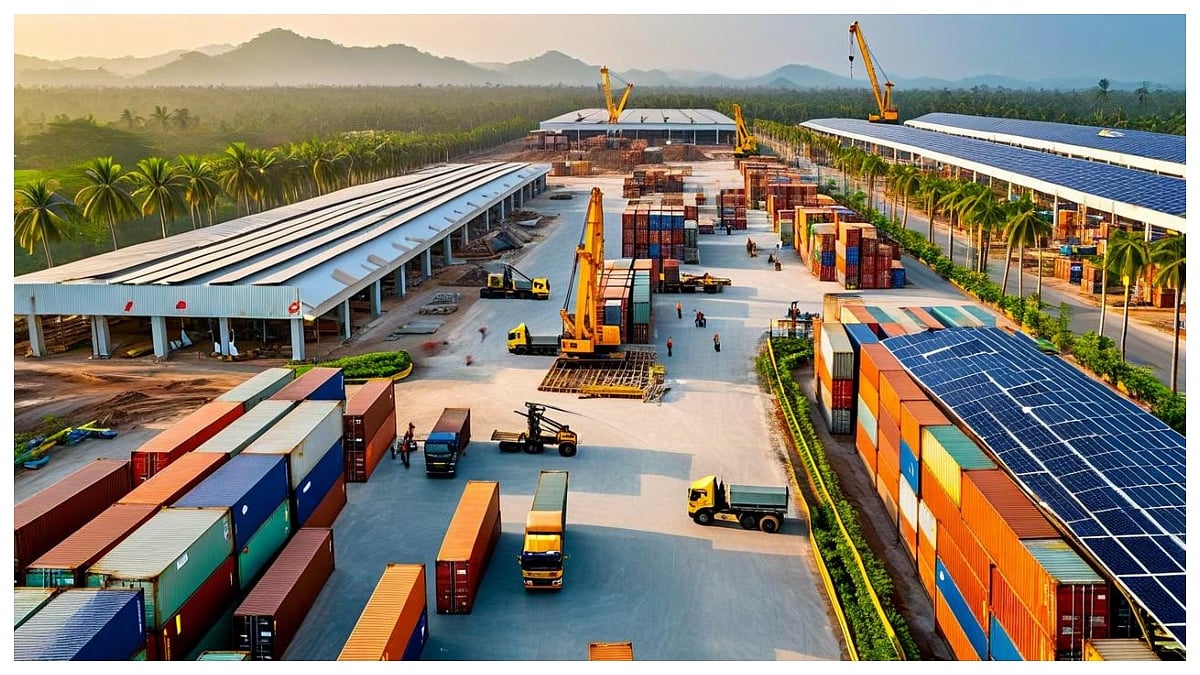
Ports around the world are crowded, partly because storms disrupted schedules in East Asia.
Other companies announced large contracts, investments and new artificial-intelligence products.
The developments show how politics, conflict and technology are affecting global business and transportation.

New York Mayor Zohran Mamdani backed the Delivery Protection Act, which would impose licensing, safety, training and employment rules on warehouse operators and require Amazon to directly hire some couriers.
Amazon has warned it could relocate warehouses if the New York legislation passes, while contributing about $5 million to a campaign opposing the measure.
Canada plans tariffs of 15% to 50% on about $20 billion of U.S. goods beginning Sept. 8, after the Trump administration imposed new tariffs on Canadian imports.
War-risk insurance for ships in the Persian Gulf has risen to 3% to 6% of vessel values, while Red Sea coverage has also increased amid attacks and regional instability.
Global logistics also faced record port congestion, higher shipping surcharges and disruptions, while companies announced major deals, investments and technology initiatives across aerospace, energy and artificial intelligence.
- Who
- New York Mayor Zohran Mamdani, Amazon, the governments of Canada and the United States, shipping insurers and maritime companies.
- What
- Officials and businesses are confronting disputes over delivery regulation, retaliatory tariffs, maritime security, port congestion and technology-related investment.
- Where
- New York City, the United States, Canada, the Persian Gulf, the Red Sea, the Gulf of Aden and ports worldwide.
- When
- The Canadian tariffs are planned to begin Sept. 8; the shipping insurance increases and other developments were reported in the cited updates.
- Why
- The disputes and disruptions stem from proposed delivery rules, failed U.S.-Canada trade talks, regional attacks and instability, storms, and growing artificial-intelligence investment.
Regulation and retaliation
Business and trade concerns
New York delivery rules
Regulation and retaliation
Mayor Zohran Mamdani and supporters of the Delivery Protection Act say stronger licensing, safety, training and employment requirements are needed, including direct hiring of some Amazon couriers.
Business and trade concerns
Amazon opposes the legislation and has said it would consider relocating warehouses if the act passes. A campaign funded partly by Amazon says the measure could increase household costs.
U.S.-Canada tariffs
Regulation and retaliation
Canada says its planned tariffs respond to new U.S. tariffs on about $20 billion of Canadian imports after trade negotiations collapsed.
Business and trade concerns
The United States imposed a new 50% tariff on about $20 billion of Canadian imports, escalating the dispute and raising costs for cross-border goods.
Maritime security costs
Regulation and retaliation
Insurers and shipping officials are raising premiums and surcharges to reflect attacks and risks involving Iran, Houthi rebels and renewed piracy near Somalia.
Business and trade concerns
Higher insurance and shipping charges increase the cost of moving goods, while carriers and businesses must adjust routes, prices and logistics plans.
Key facts
- New York legislation
- The Delivery Protection Act would require warehouse operators to obtain city licenses and meet new safety, training and employment requirements.
- Amazon opposition campaign
- Amazon contributed about $5 million to the Five Borough Jobs Campaign, which is fighting the Delivery Protection Act.
- Potential household cost
- An AKRF study funded by the opposition campaign estimated that the act could raise prices by $664 per household annually.
- Canadian tariffs
- Canada plans duties of 15% to 50% on roughly $20 billion of U.S. goods, or about 7% of total U.S. imports.
- Persian Gulf insurance
- War-risk insurance is being quoted at 3% to 6% of a ship’s value, compared with a typical peacetime rate of 0.25%.
- Port congestion
- Containers waiting to berth reached a reported all-time global high, largely because storms in East Asia disrupted schedules.
- Major defense contract
- Boeing won a multiyear U.S. Air Force F-15 program contract worth up to $131 billion.
- Technology financing
- Autonomous trucking startup Gatik AI raised $200 million in its largest funding round to date.
Sources
Related news

Mamdani’s Progressive Agenda Brings New York City Head-to-Head With Amazon
Global roundup covers tariffs, Hormuz, sanctions, diplomacy and tributes

Canada Retaliates With Up to 50% Tariffs on U.S. Goods
Trump and Canada Escalate Trade Fight Over Retaliatory Tariffs

Trump Administration Weighs Further Tariffs After Canada Announces Retaliation

Mega container ships return to Suez, aiding Indian exporters

Zell Education Earns Platinum Status as US CMA Learning Partner

China's Sea Legend launches first regular Arctic shipping route service

India's Shipbuilding Revival: From Colonial Glory to Global Ambition