5 days ago
Indore High Court Acquits Former Official in Corruption Case

Sabeena Ninama was once accused of corruption while working as a government officer in Ujjain.
A lower court convicted her in 2018.
The case involved missing records, mine-auction agreements, and payments for job advertisements.
Ninama argued that some of these tasks belonged to office accountants, not her.
She also said required auction deposits were made and that she was transferred before later legal steps could happen.
The High Court said being in charge when problems occurred does not prove that someone committed a crime.
It found no proof that Ninama intended to cause losses or gain money improperly.
The court therefore cleared her and ordered any fine to be returned.

The Indore bench of the Madhya Pradesh High Court acquitted former Janpad Panchayat CEO Sabeena Ninama.
The court overturned her 2018 conviction under the Prevention of Corruption Act and Section 120-B of the IPC.
The case involved alleged irregularities concerning 110 missing transit passbooks, 26 mine-auction agreements, and recruitment-advertisement payments.
Justice Jai Kumar Pillai said supervisory or administrative shortcomings do not establish criminal misconduct without dishonest intent.
The court ordered any fine to be refunded and discharged Ninama's bail bonds.
- Who
- Former Janpad Panchayat chief executive officer Sabeena Ninama; the case was decided by Justice Jai Kumar Pillai of the Indore bench of the Madhya Pradesh High Court.
- What
- The High Court set aside Ninama's conviction under the Prevention of Corruption Act, 1988, and Section 120-B of the IPC, fully acquitting her.
- Where
- The alleged irregularities concerned her tenure in Ujjain, and the appeal was decided by the Indore bench of the Madhya Pradesh High Court.
- When
- The alleged irregularities occurred during her tenure from September 2002 to October 2003; the trial court convicted her in 2018.
- Why
- The court found that the prosecution had not proved dishonest intent, personal or third-party financial gain, intentional loss to the state, or criminal conspiracy beyond reasonable doubt.
Prosecution's Allegations
Defense and High Court's Findings
Responsibility for irregularities
Prosecution's Allegations
The prosecution alleged that Ninama was involved in irregularities during her tenure as CEO, including missing transit passbooks, unexecuted mine-auction agreements, and excess advertisement payments.
Defense and High Court's Findings
The defense argued that Ninama was not the custodian of the passbooks or the financial registers, which were maintained by office accountants.
Mine-auction procedures
Prosecution's Allegations
The prosecution treated the failure to execute 26 auction agreements as part of the alleged misconduct.
Defense and High Court's Findings
The defense said mandatory deposits were made, legal notices were issued, and Ninama was transferred before confiscation proceedings could legally mature.
Criminal intent
Prosecution's Allegations
The case alleged criminal misconduct and conspiracy under the corruption law and Section 120-B of the IPC.
Defense and High Court's Findings
The High Court found no proof of dishonest intention, unlawful financial advantage, intentional loss to the state, or criminal conspiracy, saying administrative inadequacy alone was insufficient.
Key facts
- Appellant
- Sabeena Ninama, former Janpad Panchayat chief executive officer
- Court
- Indore bench of the Madhya Pradesh High Court
- Judge
- Justice Jai Kumar Pillai
- Investigation
- Economic Offence Wing
- Allegations
- 110 missing transit passbooks, 26 unexecuted mine-auction agreements, and excess recruitment-advertisement payments
- Earlier ruling
- Ninama was convicted by a special court in 2018
- Outcome
- Conviction set aside; any fine ordered refunded and bail bonds discharged
Quotes
Justice Jai Kumar Pillai
Single-judge judge of the Madhya Pradesh High Court’s Indore bench
“The prosecution has not been able to prove that the appellant obtained any pecuniary advantage for herself or for any other person, or that she intentionally caused wrongful loss to the State Exchequer.”
 freepressjournal.in
“This Court further finds that a criminal court cannot convict a person merely because she held office during the period when irregularities came to light.”
freepressjournal.in
Sources
Related news

SIT Adds Corruption Act Section in Suspended Katni CSP Case

Telangana High Court Revokes Judge’s Forced Retirement After Eight Years

Odisha Special Vigilance Courts Jail Three Former Officials

Madras High Court Orders Special Probe Into Madurai Prison Corruption
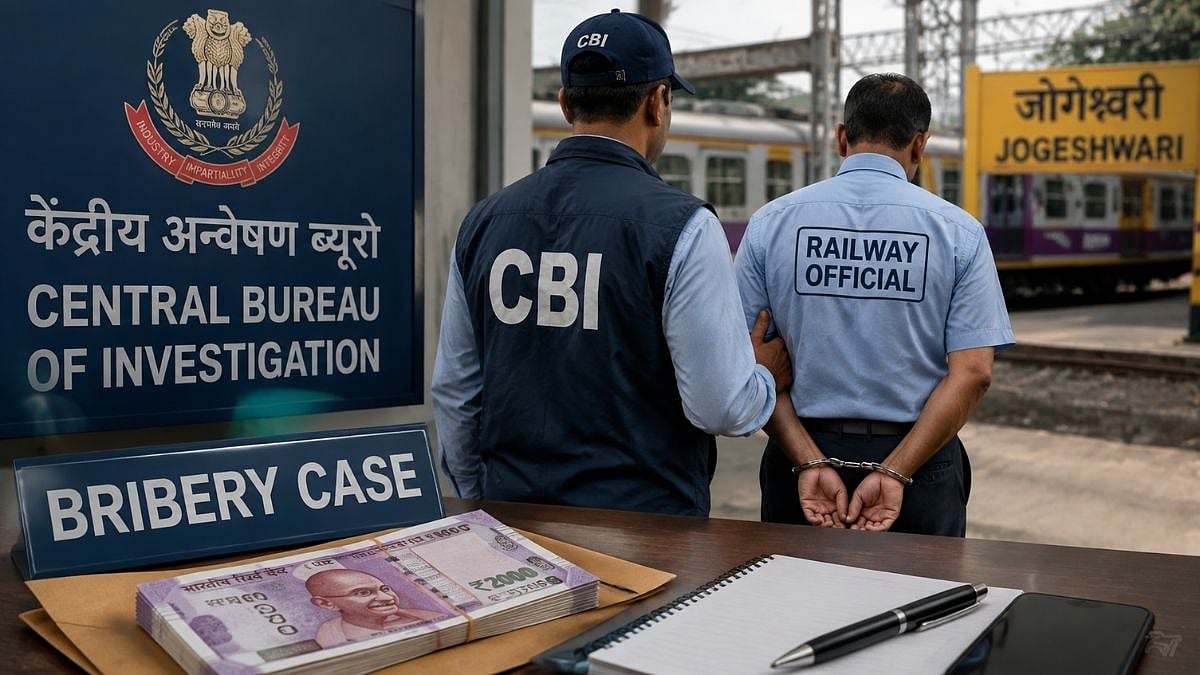
CBI Books Mumbai Railway Official Over Alleged Monthly Bribe Demand

Rajasthan Railway Constable Arrested Over Alleged ₹70,000 Bribe

Odisha Vigilance Arrests ASI, Associate in Rs 20,000 Bribe Trap