

1 week ago
Telangana High Court Revokes Judge’s Forced Retirement After Eight Years
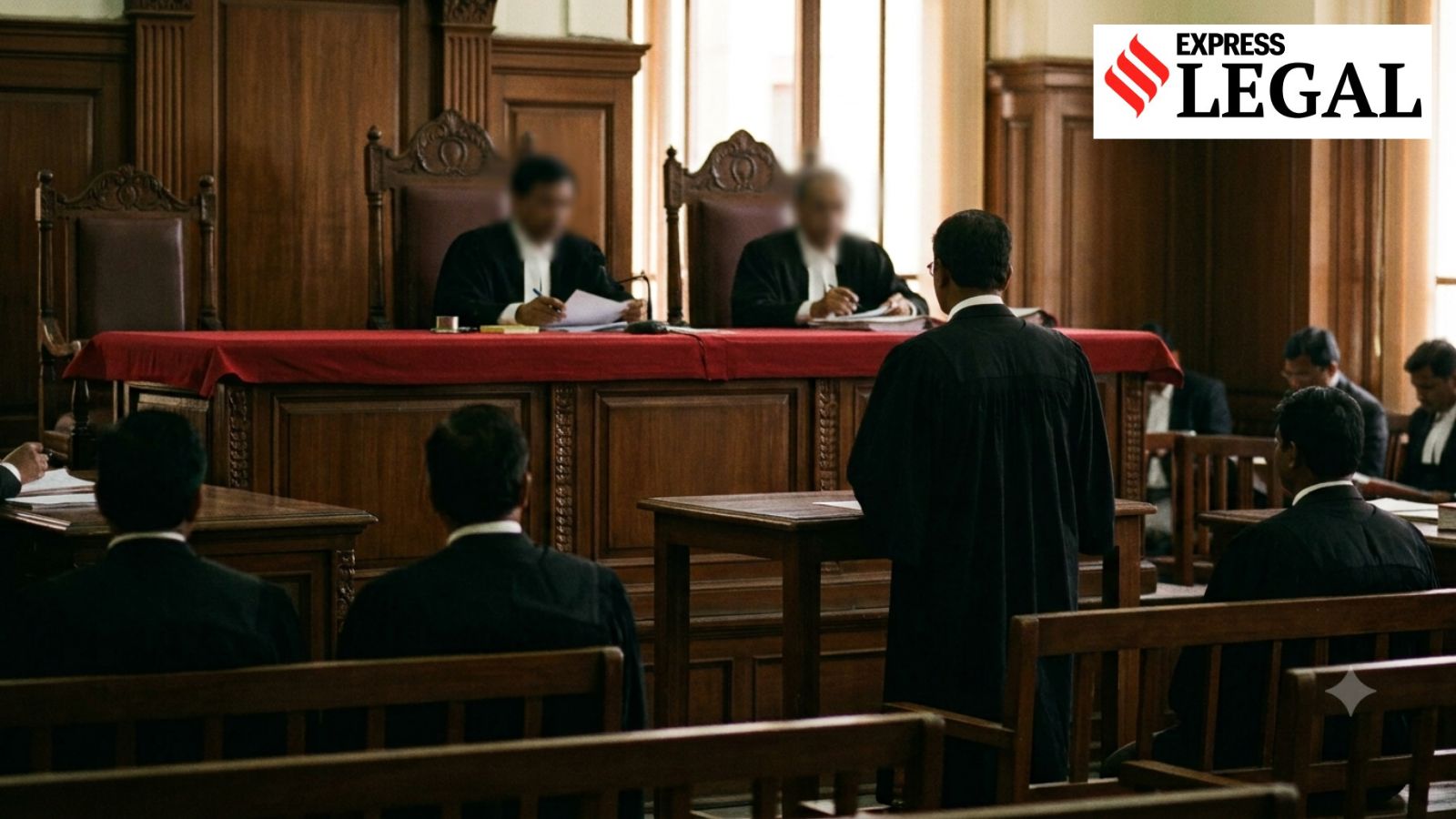
A trial judge was forced to retire in 2018 after a disciplinary case.
The case began after police stopped his official vehicle during election-related checks in 2014.
A court inquiry found that two charges against him were proved.
The Telangana High Court agreed that he had acted rudely and without the restraint expected from a judge.
However, it rejected findings on two other allegations because there was not enough supporting material.
The High Court said forced retirement was too severe because the case did not involve corruption, dishonesty, or personal gain.
It ordered the judge to return to service.
He will not receive salary or other benefits for the years he was out of work.
He must also complete his remaining training.

The Telangana High Court set aside a 2018 compulsory-retirement order against a trial court judge.
The court upheld two misconduct charges related to his conduct toward police at an election check post.
It rejected findings on alleged detention of toll staff and absence from court, calling them unsustainable.
The court said the punishment was disproportionate because there were no corruption, dishonesty, or personal-gain allegations.
The judge must be reinstated without back wages, with seniority fixed from reinstatement and remaining training completed.
- Who
- A trial court judge from the Andhra Pradesh Judicial Service and the Telangana High Court.
- What
- The High Court revoked the judge’s compulsory retirement and ordered reinstatement without back wages.
- Where
- The proceedings were before the Telangana High Court and arose from the judge’s service in Andhra Pradesh.
- When
- The judgment was issued on August 18; the compulsory-retirement order had been issued in January 2018.
- Why
- The court found the punishment disproportionate to the misconduct proved, which involved discourteous conduct toward police but no corruption, dishonesty, or personal gain.
High Court’s assessment
Disciplinary authorities’ action
Appropriate punishment
High Court’s assessment
The court held that compulsory retirement was unduly harsh and shockingly disproportionate because the misconduct did not involve corruption, lack of integrity, moral turpitude, personal gain, or dishonest motive.
Disciplinary authorities’ action
The disciplinary process recommended and imposed compulsory retirement after considering the inquiry findings, the judge’s objections, and subsequent deliberations.
Scope of proven charges
High Court’s assessment
The court upheld only the charges concerning rude and discourteous conduct toward police and found the other allegations unsupported by cogent reasons or independent material.
Disciplinary authorities’ action
The disciplinary authority disagreed with the inquiry officer’s findings on additional charges and treated them as proved before imposing the penalty.
Meaning of reinstatement
High Court’s assessment
The court ordered reinstatement but said this did not approve the judge’s conduct and treated the period away from service, without pay, as a consequence of the proven misconduct.
Disciplinary authorities’ action
The original penalty removed the judge from service; the court’s order replaces that outcome with reinstatement while denying back wages and consequential benefits.
Key facts
- Original penalty
- Compulsory retirement was imposed on January 4, 2018, and communicated the next day.
- Incident
- Police stopped the judge’s official vehicle at a check post during election-related checking on March 18, 2014.
- Charges
- Six Articles of Charge were framed; the inquiry officer found two proved.
- Charges upheld
- The High Court sustained two charges concerning the judge’s conduct toward police personnel.
- Charges rejected
- The court restored findings that allegations involving toll staff and absence from court were not proved.
- Financial relief
- The judge will receive no back wages or other consequential monetary or service benefits for the period out of service.
- Further service
- He must undergo his remaining training, and his seniority will be fixed from the date of reinstatement.
Quotes
Justices P Sam Koshy and Narsing Rao Nandikonda
Telangana High Court judges hearing the judge’s petition.
“The punishment imposed is unduly harsh and shockingly disproportionate to the misconduct established…The allegations do not involve any charge of corruption, lack of integrity, moral turpitude, abuse of judicial office for personal gain, or any dishonest motive.”
 indianexpress.com
“The conduct of every Judicial Officer, both on and off the Bench, must always conform to the highest standards of dignity, restraint, impartiality and propriety.”
indianexpress.com
Sources
Related news

Delhi High Court reinstates probationary teacher fired without inquiry

High Court Issues Contempt Notice to Retired DGP Khurania
Patna court reinstates RPF constables sacked over murder-accused support

Former UP cop, 85, wins 25-year fight for inspector promotion
Allahabad High Court Upholds CRPF Constable’s Dismissal Over Remarriage

Indore High Court Acquits Former Official in Corruption Case

All-Party Meeting Seeks Eligibility Cards for Telangana Tenant Farmers

Telangana BJP Alleges Congress, BRS Avoid Hyderabad Liberation Day

BRS Charges Telangana CM Revanth With Corruption, Misrule
BRS Accuses Telangana Congress Government of Failing Poll Promises
Telangana Government Marks 1,000 Days With Welfare Push