3 hrs ago
Economy Quiz Covers Cotton, Interest Rates, Treaties and Energy
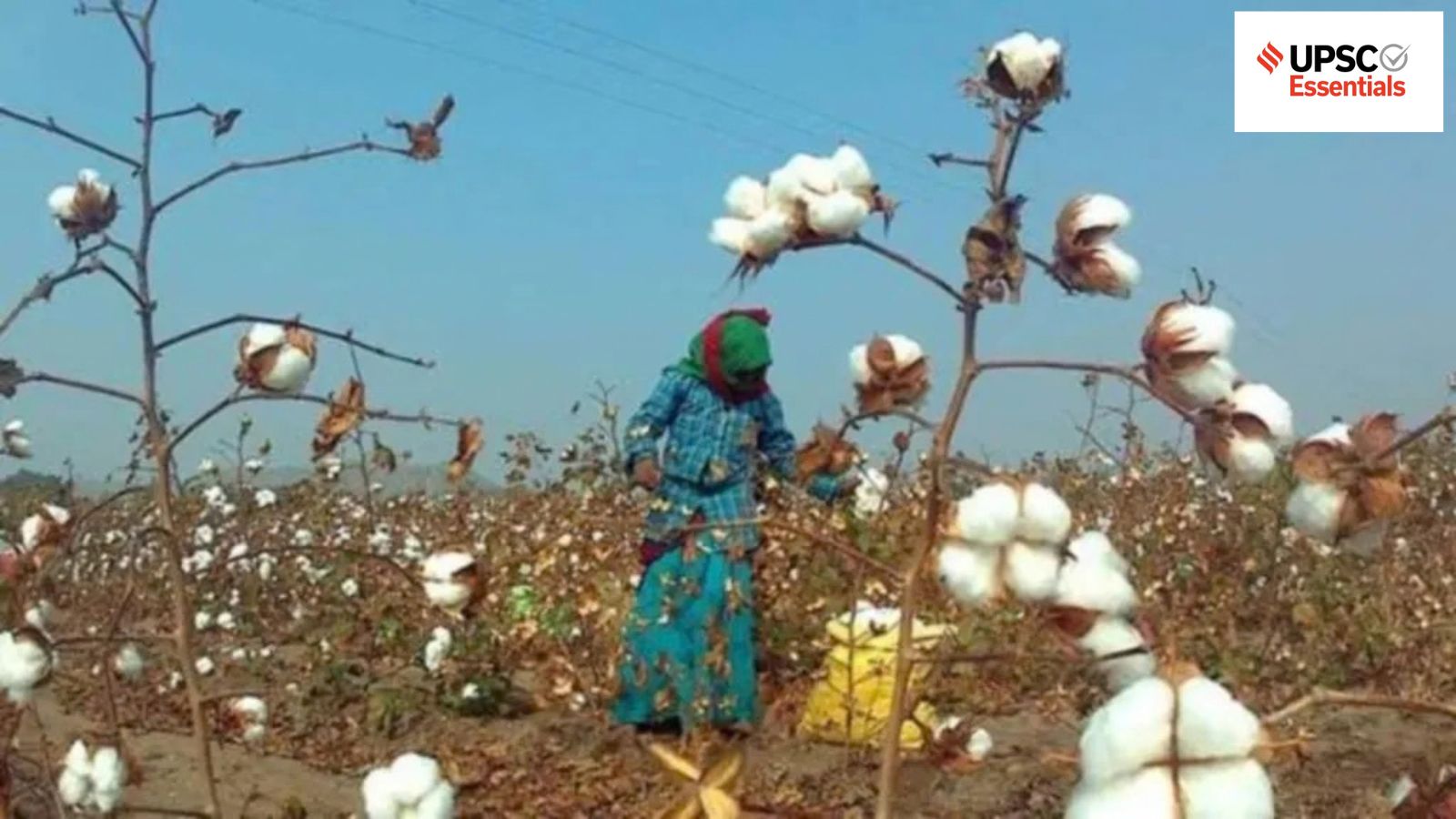
This article is a set of economy questions for people studying for civil-service exams.
It asks about cotton farming, interest rates, investment agreements, the GST Council and natural gas.
The article says India grows all four recognized cotton species and has the world’s largest cotton-growing area.
Cotton is grown in Odisha too.
It explains that higher oil prices or a falling rupee can make imported goods more expensive, which may encourage the Reserve Bank of India to raise interest rates.
A bilateral investment treaty sets rules for protecting private investments between two countries.
It does not make the countries use the same business laws.
The quiz also explains that regasification warms very cold liquefied natural gas until it becomes gas again.

The quiz says India permits cotton varieties with cry1Ac and cry2Ab genes and ranks first globally in cotton cultivation area.
Cotton is also grown in Odisha, making the quiz’s fourth cotton statement incorrect.
The explanation says high oil prices, supply shocks and sharp rupee depreciation could raise inflation and prompt an RBI rate increase.
It describes bilateral investment treaties as protections for private cross-border investment, not shared commercial laws.
Other questions cover GST Council membership and LNG regasification, the process of warming LNG back into gas.
- Who
- UPSC Essentials, which published the economy quiz for exam preparation.
- What
- A subject-wise quiz explaining five economy topics, including cotton, monetary policy, investment treaties, GST Council membership and LNG.
- Where
- The quiz focuses on India and its economy.
- When
- The article identifies it as Week 183; it also refers to India’s 2025–26 cotton-sowing area.
- Why
- To help readers revise economy topics relevant to the UPSC syllabus.
Key facts
- Quiz edition
- Economy, Week 183
- Cotton area cited
- 114.8 lakh hectares in 2025–26
- Cotton with unauthorized traits
- An estimated 26.2–29 lakh hectares, or 24–30% of the cited area
- Permitted Bt cotton genes
- cry1Ac and cry2Ab
- Repo-rate examples identified as potential pressures
- High crude oil prices, adverse supply shocks and rapid rupee depreciation
- Bilateral investment treaties
- The article says BITs govern private investment between companies of two countries and do not create shared commercial laws.
- Regasification
- Warming LNG from cryogenic storage temperature, around −162°C, into its gaseous state.
- GST Council explanation
- The article lists the Union Finance Minister, the Union Minister of State in charge of Revenue or Finance, and a minister nominated by each state; it also describes a Governor-nominated member in a state under an Article 356 proclamation.
Sources
Related news
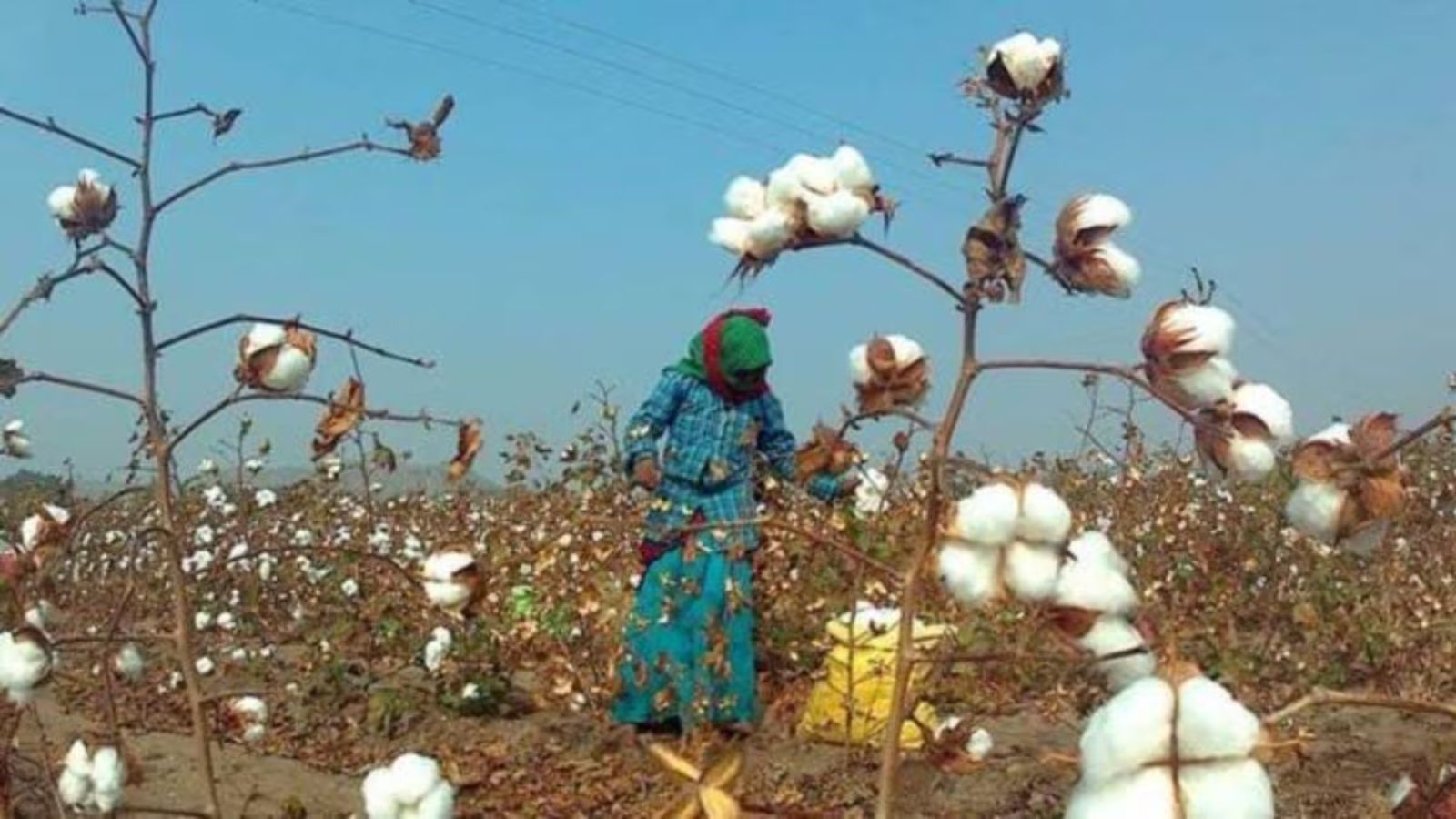
Study Finds Illegal GM Hybrids on Up to 30% of Cotton Area
India's Seed Industry Seeks Faster Science-Based Approvals

Bayer CEO urges technology access and crop diversification for India
UPSC Key: India-China Ties, Monal, EVs and Sanctions
UPSC Key Covers BRICS, Ladakh, Marital Rape, GDP Debate
Economy Quiz Covers GDP, Carbon Markets, Oil and UPI

GST Council Approves Major Overhaul, Keeps Tax Rates Unchanged

GST Council Advances Simplified Filing and Registration for Small Businesses
Proposed GST Rules Could Boost India’s Engineering R&D Sector
GST Taxable Supply Expands 25.8% as Effective Rates Fall