3 hrs ago
Economy Quiz Covers GDP, Carbon Markets, Oil and UPI
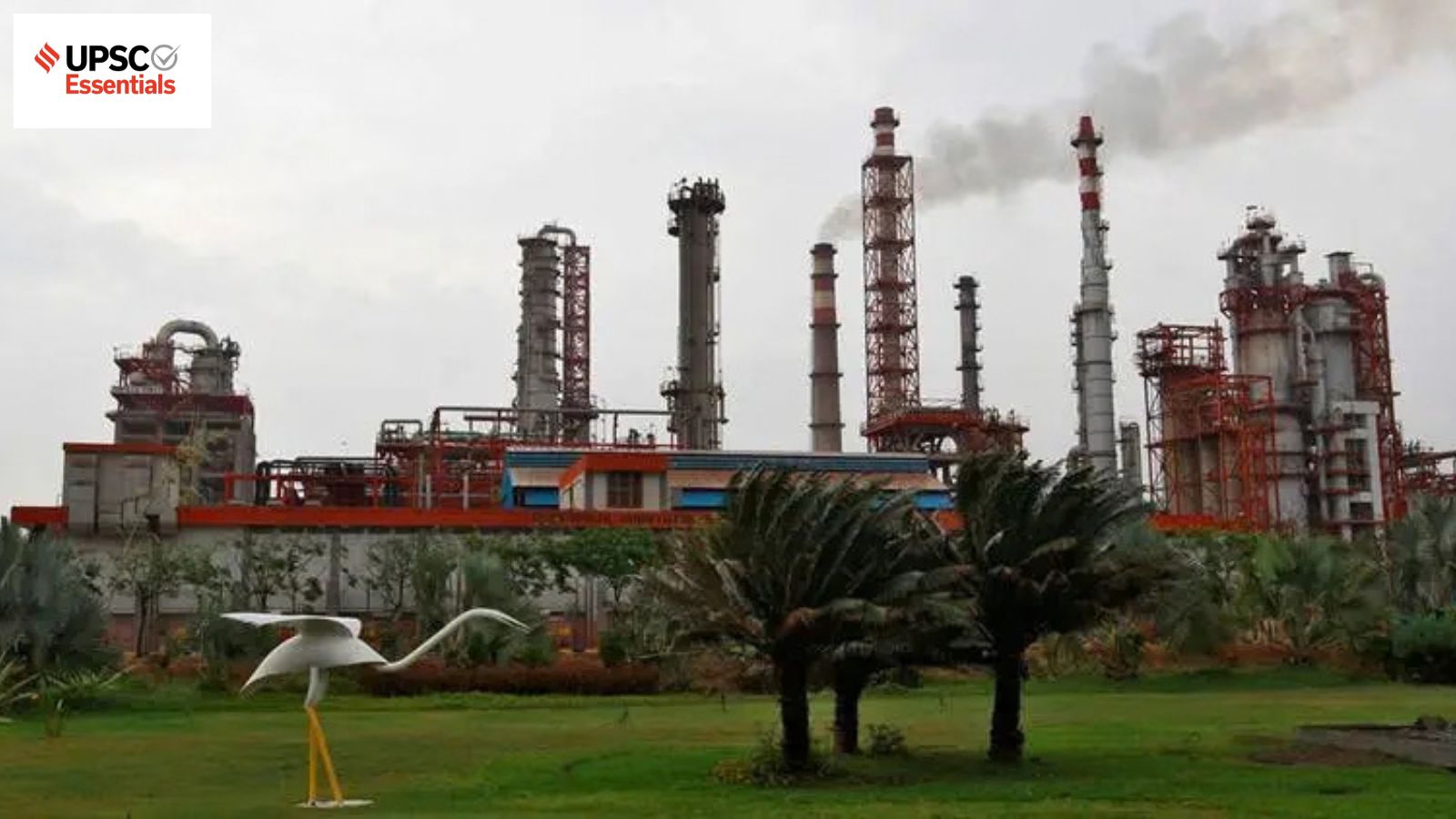
This article is a practice quiz about important economy topics.
One question explains how India measures economic growth using GDP and GVA.
The new method adjusts both the prices of things made and the prices of inputs used to make them.
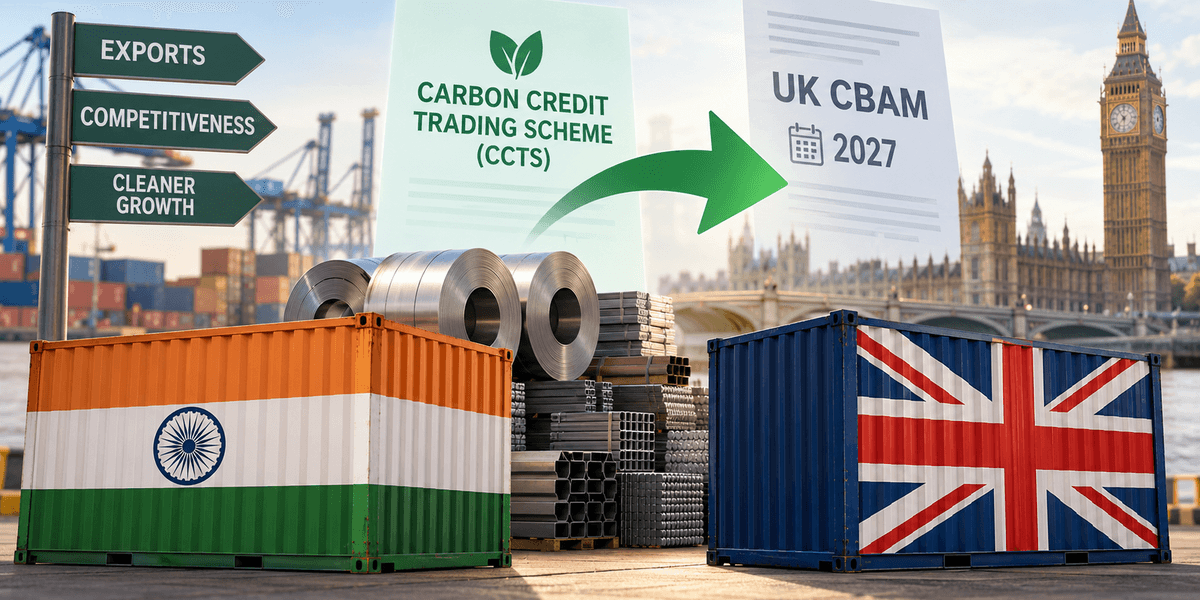
Another question discusses a European carbon charge on certain imported goods.
India’s carbon market is designed to encourage companies to reduce greenhouse-gas emissions.
The article also explains that carbon certificates in India are traded through power exchanges.
It says conflicts and disruptions in West Asia pushed crude oil prices higher.
Finally, it lists countries where India’s UPI digital payment system works across borders.

The new GDP series used double deflation in 28 of 30 manufacturing categories.
Double deflation was not implemented for meat, fish, fruit, vegetable, oil and fat processing, and pharmaceutical manufacturing.
The EU’s Carbon Border Adjustment Mechanism covers six carbon-intensive goods, including iron and steel, aluminium, cement and fertilisers.
India’s Carbon Credits Trading Scheme uses carbon pricing and trades certificates through power exchanges rather than private over-the-counter cash deals.
The quiz also covers West Asian oil-price pressures and UPI operations in countries including Bhutan, Nepal, Mauritius and Singapore.
- Who
- UPSC Essentials and the Indian Express presented the economy quiz, covering Indian institutions, companies and international economic mechanisms.
- What
- A five-question economy quiz on GDP methodology, carbon markets, crude oil prices and UPI.
- Where
- The topics concern India, the European Union, West Asia and several countries connected to UPI.
- When
- The quiz is identified as Week 181; it also references developments and figures from 2026.
- Why
- It is intended to help readers revise important economy topics and prepare for the UPSC examination.
Key facts
- GDP methodology
- Double deflation was used in 28 of 30 manufacturing categories.
- Excluded manufacturing categories
- Meat, fish, fruit, vegetables, oils and fats processing, and pharmaceutical manufacturing used single extrapolation.
- CBAM coverage
- The EU mechanism covers iron and steel, aluminium, cement, fertilisers, hydrogen and electricity.
- CCTS purpose
- India’s Carbon Credits Trading Scheme seeks to reduce greenhouse-gas emissions through carbon pricing.
- Carbon certificate trading
- Carbon Credit Certificates are traded through power exchanges under arrangements overseen by the Central Electricity Regulatory Commission.
- Crude oil price
- The Indian crude basket rose to $117.4 per barrel on September 21, compared with a 2025–26 average of about $66.
- UPI operations
- UPI is operational in Bhutan, Nepal, Singapore, the United Arab Emirates, France, Sri Lanka, Mauritius and Qatar, according to the article.
Quotes

Press Information Bureau
Indian government information service describing the CCTS
“I would urge the BRICS member countries and partner countries to link our payment systems, trade in each other’s local currencies, make digital trade global and build together for the future emerging technologies”
 indianexpress.com
“The Carbon Credit Trading Scheme (CCTS) in India is a mechanism designed to reduce greenhouse gas (GHG) emissions through carbon pricing.”
indianexpress.com
Sources
Related news
New GDP series expands double deflation across manufacturing categories
UPSC Key Covers BRICS, Ladakh, Marital Rape, GDP Debate
UK Recognises India’s Carbon Scheme, Easing CBAM Burden for Exporters
India’s New GDP Series Aims for More Stable Estimates
Economist Defends India’s Revised GDP Estimates Amid Criticism
India’s GDP Revisions Explained: Why Deflators Changed Growth Data

Officials Urge Fiscal Prudence and Agile Data for Viksit Bharat

Medical Trips Cost Most as MoSPI Compares Domestic Travel Spending

Religion Drives Nearly Half of India’s Overnight Trips

India’s New GDP Series Broadens Measurement With Solar, Gig Work