1 hr ago
India's Seed Industry Seeks Faster Science-Based Approvals
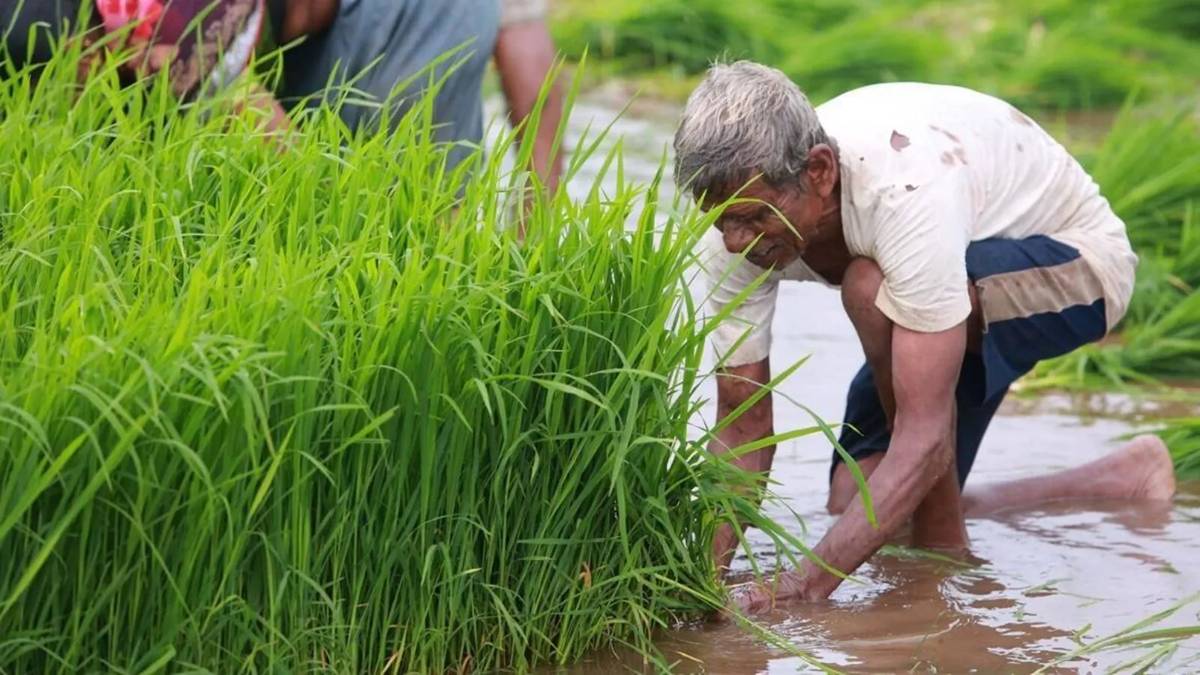
India’s private seed companies want new crop technologies to be approved more quickly.
They say one clear set of rules would make the process easier.
They believe improved seeds could help farmers grow more cotton, oilseeds, and pulses.
These crops face problems from changing climate conditions, and India imports large amounts of them.
The industry says rules are still needed to ensure safety.
However, it also says farmers should be able to use approved new technologies.
It supports using both genome editing and genetically modified crops.
India has had no new commercially approved GM cotton varieties since two varieties were introduced.
Some genome-edited crops are treated differently from GM crops under rules issued in 2022.

The private seed industry called for a single framework governing seed regulation.
It urged faster, science-based approvals for new varieties, traits, and agricultural technologies.
The industry said faster technology adoption could improve cotton, oilseed, and pulse productivity amid climate challenges.
Ajai Rana said genome-edited and genetically modified technologies should coexist rather than replace one another.
India has approved only GM cotton for commercial cultivation, while certain genome-edited crops received regulatory exemptions in 2022.
- Who
- The private seed industry, represented by Ajai Rana of the Federation of Seed Industry of India.
- What
- The industry called for a single seed-regulation framework and faster science-based approvals for new crop varieties, traits, and technologies.
- Where
- India.
- When
- The call was made on Thursday; the article also cites regulatory developments from 2002, 2006, 2022, and 2024.
- Why
- To improve crop productivity, address climate-related challenges, reduce imports of cotton, oilseeds, and pulses, and encourage long-term industry investment.
Key facts
- Industry representative
- Ajai Rana, President of the Federation of Seed Industry of India
- Priority crops
- Cotton, oilseeds, and pulses
- First approved GM crop
- Bollgard-I cotton, approved for commercialisation in 2002
- Second cotton variety
- Bollgard II, introduced in 2006
- Genome-edited rice varieties
- DRR Rice 100 (Kamala) and Pusa DST Rice 1
- Reported rice benefits
- Yield increases of about 15–20%, along with salinity tolerance and water-saving traits
- 2022 regulatory change
- The environment ministry exempted certain SDN-1 and SDN-2 genome edits from specified biosafety rules applying to GM crops
Quotes
Ajai Rana
President of the Federation of Seed Industry of India
““In many areas, we are fast in adopting technologies such as UPI, but in the agriculture sector, we debate technology adoption a lot,””
 financialexpress.com
““Whether genome-edited technology would replace genetically modified (GM) crops, both technologies should co-exist””
financialexpress.com
Sources
Related news

Seed Industry Urges India to Approve Gene Editing
Bayer Accelerates Genome-Edited Crops for Greater Climate Resilience

Bayer CEO urges technology access and crop diversification for India
Vylor Targets Hyderabad as Asia’s Gene-Editing Seed Hub

India Plans More Consultations Before Introducing Seed, Pesticide Bills

BL Agro plans ₹1,500 crore cattle genetics investment

India’s rice yield slowdown spurs push for hybrids, varieties
FSII Study: Regulatory Friction Costs Seed Industry ₹800 Crore Annually

Ludhiana Dairy Complex Faces Drainage Woes, Pollution Concerns