5 hrs ago
India-EU Trade Deal Advances, Promising Tariff Cuts for Consumers
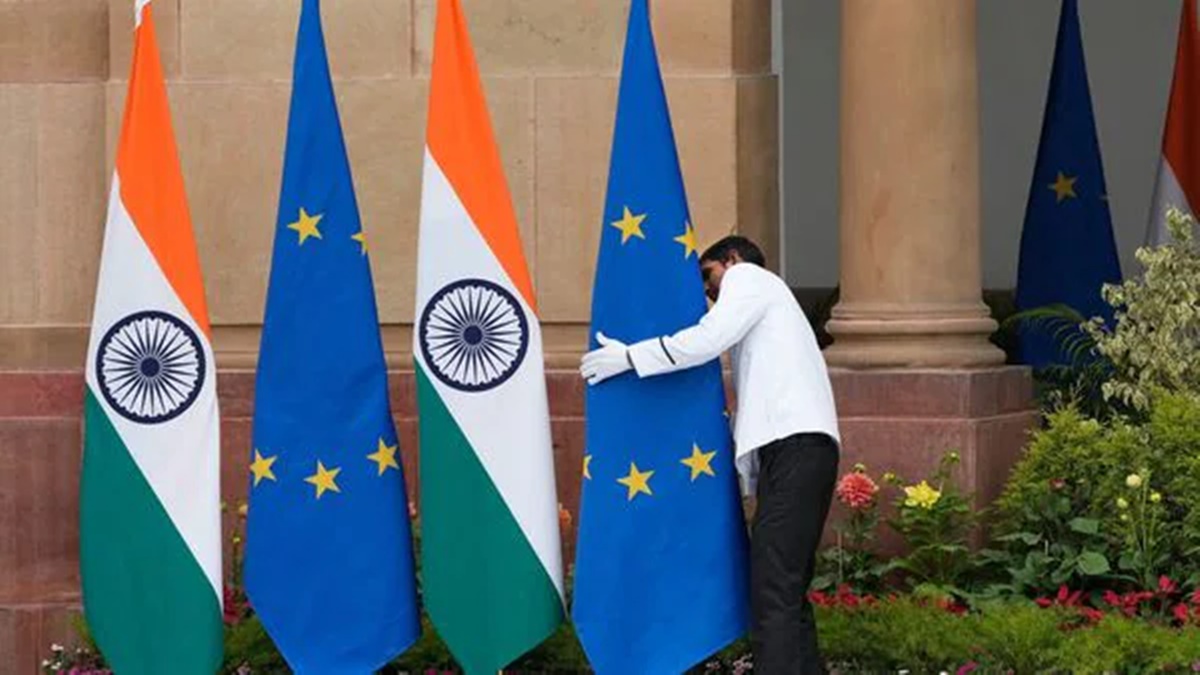
India and the European Union are working toward a large trade agreement.
Trade agreements can make products cheaper by reducing taxes charged when goods cross borders.
Indian clothing, shoes and other exports could become easier to sell in Europe.
European products such as chocolates, olive oil, cosmetics and some cars could become cheaper in India.
These changes would happen at different speeds, and some products would still have limits or quotas.
Food safety and other consumer protections would remain in place.
Lower import taxes do not always mean stores will lower prices by the same amount.
The agreement still needs approval before it can officially start.

The European Commission has sent the India-EU Free Trade Agreement to the European Council for approval, followed by European Parliament consent.
The agreement would remove or reduce tariffs on most traded goods, with 99.5% of Indian exports by value expected to receive preferential EU access.
Indian sectors including textiles, footwear, pharmaceuticals, leather, marine products, gems and engineering goods could gain from lower EU tariffs.
India would gradually reduce duties on European chemicals, machinery, food, cosmetics, alcohol and automobiles, with safeguards and quotas for sensitive products.
Consumers could see lower prices and wider product choices, but retail savings are not guaranteed because taxes, exchange rates and distribution costs also matter.
- Who
- India, the European Union, the European Commission, the European Council and the European Parliament.
- What
- A negotiated India-EU Free Trade Agreement is moving through the approval process and would reduce tariffs and expand market access for goods and services.
- Where
- Between India and the European Union’s 27 member states.
- When
- Negotiations concluded earlier this year; the European Commission sent the agreement to the European Council on Friday, and it has not yet entered into force.
- Why
- To expand trade, improve market access, support exports and services, and diversify supply chains.
Trade Liberalisation Benefits
Caution Over Adjustment and Prices
Consumer prices
Trade Liberalisation Benefits
Lower tariffs could make European olive oil, chocolates, pasta, cosmetics and some cars cheaper in India, while Indian clothing and footwear could become less expensive in Europe.
Caution Over Adjustment and Prices
Retail prices may not fall by the full amount of tariff savings because exchange rates, domestic taxes, distribution costs and retailer decisions affect final prices.
Market access
Trade Liberalisation Benefits
Supporters say the agreement would open markets, expand exports, increase product choice and strengthen services and professional mobility.
Caution Over Adjustment and Prices
Sensitive sectors remain protected through exclusions, phased tariff reductions and quotas, including for agriculture and automobiles.
Strategic impact
Trade Liberalisation Benefits
The agreement could help India and the European Union diversify supply chains and reduce dependence on concentrated sources of industrial supply.
Caution Over Adjustment and Prices
The deal includes regulatory and climate-related obligations, while Indian goods must continue meeting the European Union’s strict health and food-safety requirements.
Key facts
- Annual India-EU trade
- More than €180 billion in goods and services.
- 2024 goods trade
- About €120 billion, including €71 billion of EU imports from India and nearly €49 billion of EU exports to India.
- EU tariff coverage
- The EU would remove tariffs on more than 90% of product categories, covering 91% of the value of its imports from India.
- Indian export access
- The Commerce Ministry says 99.5% of Indian exports by trade value would receive preferential access to the EU.
- Potential EU savings
- The European Union estimates tariff reductions could save its exporters about €4 billion annually in customs duties.
- Approval process
- The European Council must authorise the agreement, followed by consent from the European Parliament; India is completing its internal procedures.
- Automobile provisions
- Concessional quotas for European cars would begin with up to 100,000 internal-combustion and non-plug-in hybrid vehicles, rising to 160,000 from the tenth year.
Sources
Related news

India-EU Trade Deal Moves Toward Final Approval
India-EU Trade Deal Cuts Car Duties, Sets Import Quotas

India-EU Trade Deal Opens Car Market Through Lower Duties
India-EU Free Trade Agreement Moves Toward Formal Approval

India’s Textile Industry Prepares for Expected EU FTA Gains

India-EU FTA Expected to Transform Trade and Engagement

Emma Bonino, Leader of Italy’s Abortion Reforms, Dies at 78

Google Revamps Europe Search Results, Warning Of Lower Quality