

1 day ago
Calcutta’s Chinatowns Offer India-China Heritage Beyond Modern Borders
India and China have a long relationship that is older than their modern border disagreements.
In Kolkata, two Chinese neighborhoods show this shared history.
They are called Tiretta Bazar and Tangra.
Chinese migrants built temples, businesses, clubs, and restaurants there.
They also created foods such as Gobi Manchurian and Chilli Chicken.
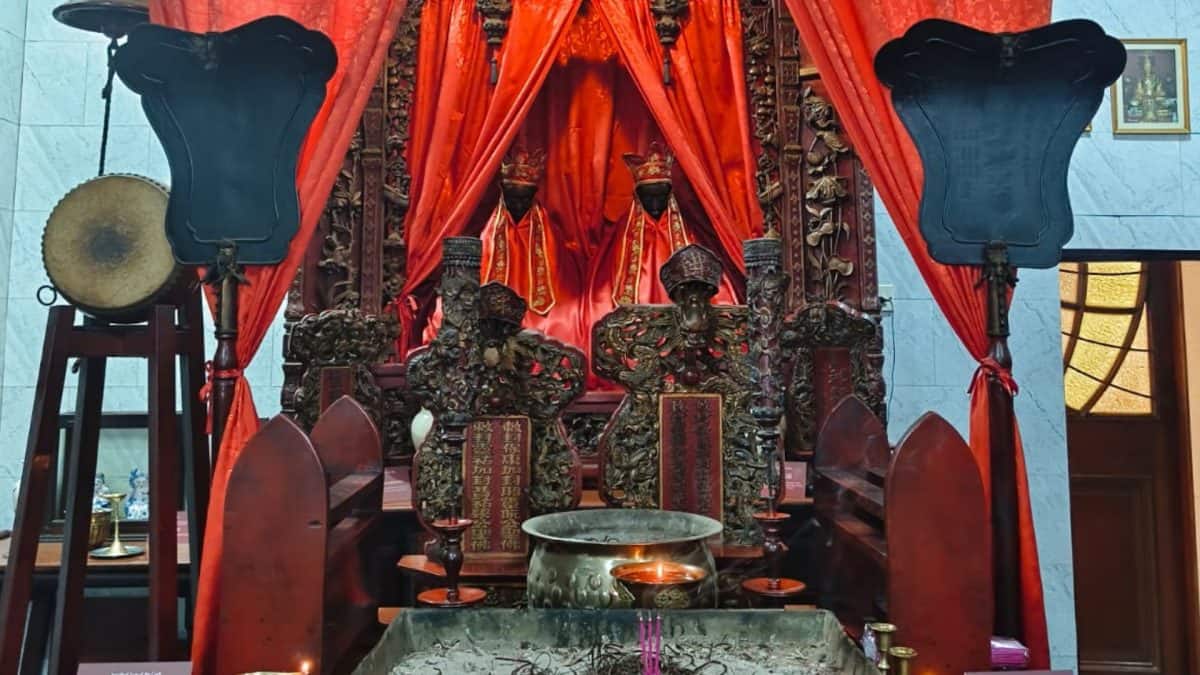
Some community members worship Hindu gods, while Chinese dialects continue to survive in the city.
The article says these neighborhoods show exchanges involving migration, religion, language, and food.
It suggests India and China could jointly seek UNESCO recognition for them.

Calcutta’s Tiretta Bazar and Tangra Chinatowns reflect nearly 250 years of India-China interaction.
The communities’ temples, architecture, languages, migration history, and Chinese-Indian cuisine form a shared heritage.
The article proposes the two Chinatowns as a joint UNESCO heritage nomination instead of focusing only on Xuanzang.
Achipur traces its Chinese-settler history to Tong Atchew, who arrived in Bengal in 1778.
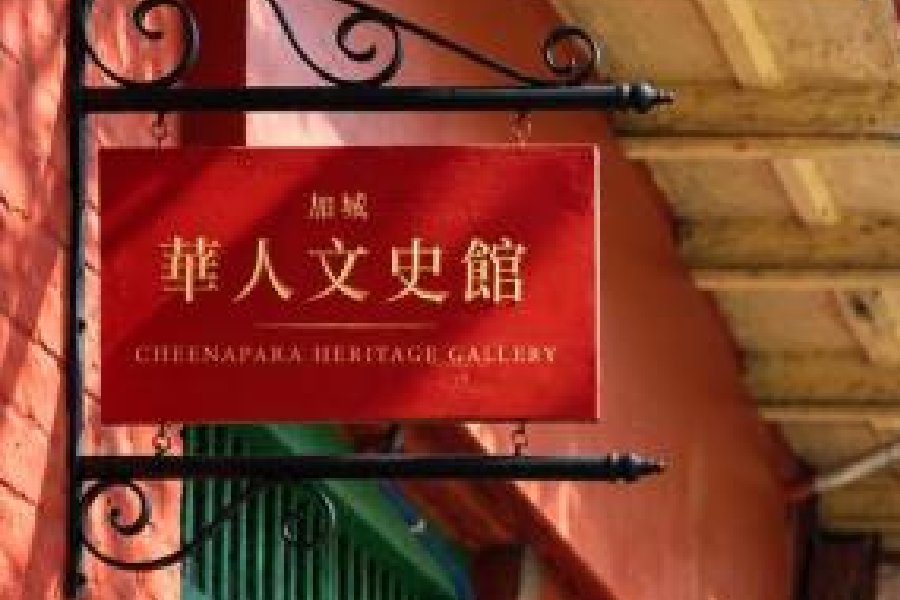
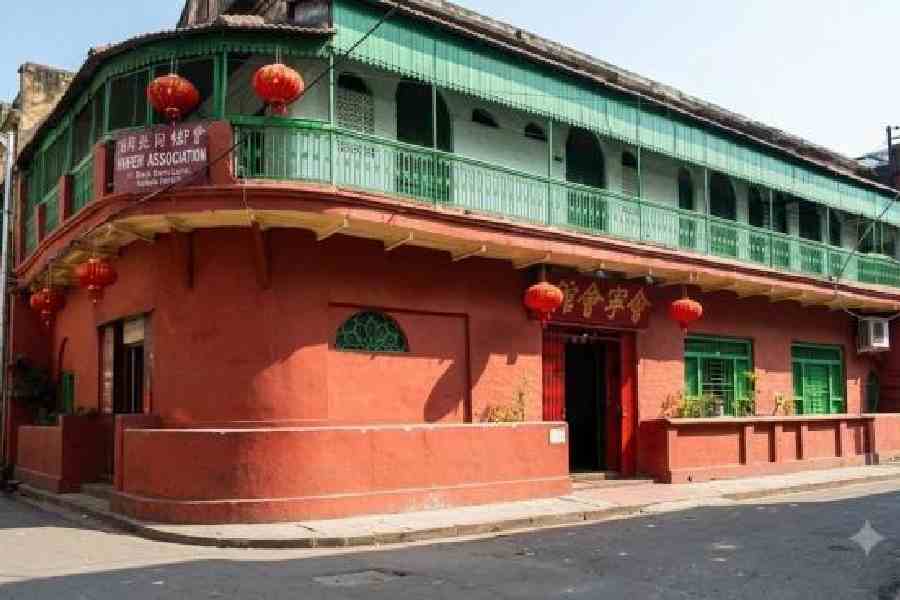
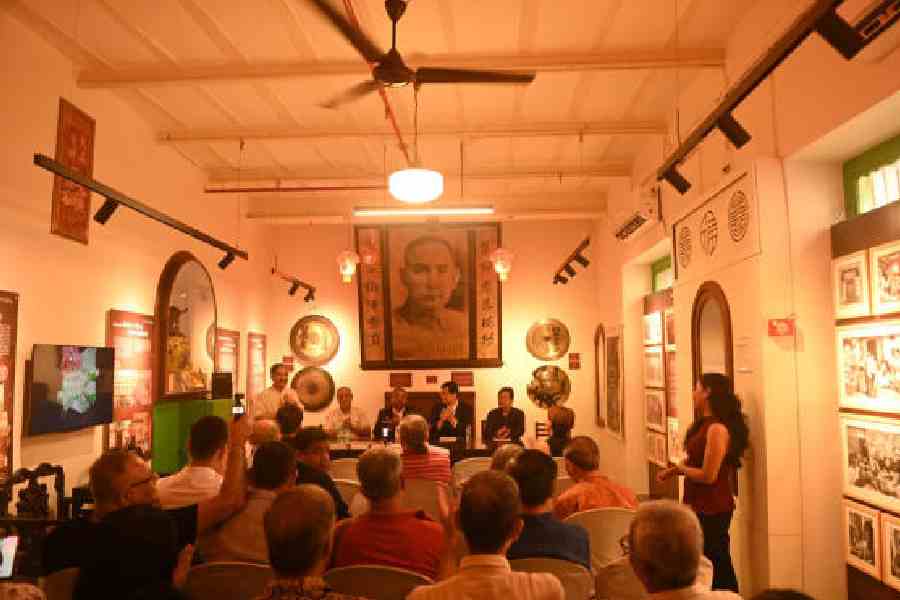
Recent heritage efforts include the Cheenapara Heritage Gallery and a Chinese-Indian restaurant at the Huining association.
- Who
- The Chinese-Indian communities of Calcutta, along with India and China, are central to the proposal; the article is written by Tansen Sen.
- What
- The article proposes Calcutta’s two Chinatowns as a shared India-China heritage candidate for UNESCO recognition.
- Where
- The Chinatowns are in Tiretta Bazar in central Calcutta and Tangra in eastern Calcutta; Achipur is nearby.
- When
- The communities’ history spans almost 250 years; Tong Atchew arrived in Bengal in 1778, and the Huining association was established in 1908.
- Why
- They preserve tangible and intangible evidence of long-term India-China interaction through migration, religion, architecture, language, and cuisine.
Border-Centered Approach
Heritage-Centered Approach
Priority for India-China relations
Border-Centered Approach
Diplomatic attention should focus on the border dispute, economic links, and contemporary political relations.
Heritage-Centered Approach
The relationship should also recognize older, enduring connections that exist beyond border negotiations.
Shared heritage candidate
Border-Centered Approach
Xuanzang and his travelogue are presented as a possible joint India-China UNESCO nomination because of their importance to Buddhist exchange.
Heritage-Centered Approach
The article argues that Calcutta’s Chinatowns better represent a broader, living history involving migration, religion, language, architecture, and food.
Meaning of the Chinatowns
Border-Centered Approach
Their significance can be overlooked when India-China relations are framed mainly through current disputes and rivalries.
Heritage-Centered Approach
Their temples, restaurants, community institutions, and traditions provide tangible evidence of an entangled India-China past and shared present.
Key facts
- Chinatowns
- Tiretta Bazar and Tangra in Calcutta
- Historical span
- Almost 250 years
- Early settler
- Tong Atchew, also identified as Yang Yazhao, arrived in Bengal in 1778
- Heritage gallery
- Cheenapara Heritage Gallery recently opened at the Huining native-place association
- Huining association
- Established in 1908, it included a temple, migrant lodging, and a club space
- Cuisine
- Chinese-Indian dishes mentioned include Gobi Manchurian and Chilli Chicken
- Languages
- Distinct Hakka and several Cantonese sub-dialects survive in Calcutta
Sources
Related news
Cheenapara Gallery to Preserve Calcutta’s Chinese Community Heritage
New gallery preserves Calcutta’s 200-year Chinese community history
Kolkata’s Chinese Heritage Gallery Preserves a Vanishing Community’s Memories

Patanjali CEO Highlights India-Nepal Cultural Ties Beyond Political Borders

India and China Signal Cautious Thaw Amid Persistent Fault Lines
India Sees Uzbekistan as Anchor for Central Asia Connectivity

Why Global Energy Has Withstood the Strait of Hormuz Disruption
Chinese Startup Targets GPT-3.0 Milestone for Humanoid Robot Brains
Asia's Economy of One Reshapes Spending, Care and Business

EU Sets Provisional Safeguards on Electrical Steel Imports

India’s 30-Shooter Squad Targets Asian Games Glory in Nagoya
