2 hrs ago
Asia's Economy of One Reshapes Spending, Care and Business
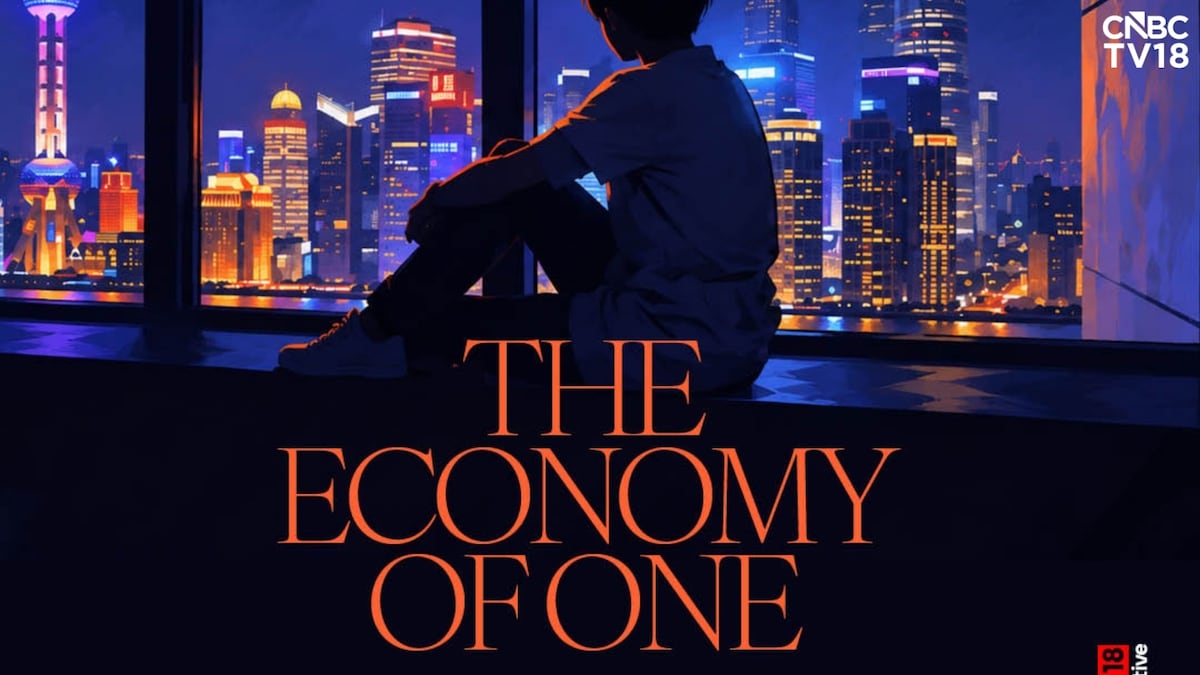
More people in parts of Asia are living by themselves.
This is happening especially in China, South Korea, Japan and Singapore.
When fewer people share a home, each person must pay for more things alone.
They may buy prepared meals, cleaning, care or safety services that families once provided.
Companies are creating products such as single-serving food and solo travel.
Older people who live alone may need extra help with healthcare and emergencies.
Living alone does not always mean feeling lonely, although solo households report loneliness more often in South Korea.
New businesses, including some AI services, are trying to provide companionship and support.
This change is helping create what analysts call an economy of one.

One-person households are increasing across China, South Korea, Japan and Singapore as household sizes shrink.
Solo households often spend relatively more on housing, utilities, eating out and accommodation than larger households.
Cooking, cleaning, childcare and eldercare traditionally handled within families are increasingly becoming paid market services.
The combination of solo living and ageing is raising concerns about healthcare, caregiving, safety and social support.
Businesses are developing single-serving meals, solo travel, safety tools, paid companionship and AI-based interaction services for people living alone.
- Who
- People living alone, businesses serving them, governments and researchers in China, South Korea, Japan and Singapore.
- What
- The growth of one-person households is changing spending patterns and shifting household tasks and care into paid products and services.
- Where
- Parts of Asia, particularly China, South Korea, Japan and Singapore.
- When
- The cited data covers years from 2010 through projections to 2052; Japan's home-death discovery figures refer to 2025, and China's AI interaction rules took effect in July 2026.
- Why
- Shrinking household sizes, population ageing and changing living arrangements are increasing individual demand for housing, meals, care, safety and companionship.
New markets and individual choice
Rising costs and social vulnerabilities
Economic opportunity
New markets and individual choice
Businesses can meet growing demand with single-serving meals, solo travel, safety tools, care services, paid companionship and AI interaction.
Rising costs and social vulnerabilities
As family-provided work moves into the marketplace, individuals may have to purchase services that were previously shared or provided within households.
Living alone and wellbeing
New markets and individual choice
Living alone is not automatically the same as loneliness and can be supported through products, services and social tools designed for individuals.
Rising costs and social vulnerabilities
Solo households report higher loneliness in South Korea, and people living alone may face greater risks involving emergencies, caregiving and lack of routine check-ins.
Technology and companionship
New markets and individual choice
Check-in applications and AI services can provide alerts or interaction for people living alone.
Rising costs and social vulnerabilities
China's rules for human-like AI interaction services include safeguards concerning emotional dependence, excessive use, self-harm and minors, indicating concerns about possible harms.
Key facts
- China household size
- The average household size fell from 3.10 people in 2010 to 2.62 in 2020 and 2.52 in 2025.
- South Korea solo households
- The share rose from 27.2% in 2015 to 36.1% in 2024.
- Japan solo households
- One-person households accounted for 38% in 2020 and are projected to reach 44.3% by 2050.
- Singapore solo households
- The share increased from 11.2% in 2014 to 16.1% in 2024.
- South Korea spending
- In 2024, solo households spent 18.4% of their budgets on housing and utilities, compared with 12.2% for all households.
- Japan ageing trend
- People aged 65 and above living alone are projected to increase from 7.38 million in 2020 to 10.84 million in 2050.
- Japan home deaths
- In 2025, 22,222 people living alone who died at home were discovered eight days or more later, including 7,148 discovered at least 31 days later.
Sources
Related news

Why Solo Table Theory Is Turning Dining Alone Into Confidence

For Single Women, Independence Can Bring Freedom—and Loneliness

Editorial Says India’s Rs 200 Elderly Pension Is Inadequate

China’s only children increasingly favor partners without siblings

Global household saving rates vary, with Sweden leading

Doctors Warn Loneliness Is Becoming a Silent Epidemic Among Elderly

Asian Games Begin in Nagoya with India’s Medal Hopes

20th Asian Games Open In Nagoya As India Targets Medals

Shapath Bharadwaj Targets Asian Games Glory After Career Reset
Indian Families Offer Homes Amid Asian Games Housing Shortage

Japan’s Asian Games Hosting Faces Criticism and Silence