

4 days ago
India Sees Uzbekistan as Anchor for Central Asia Connectivity
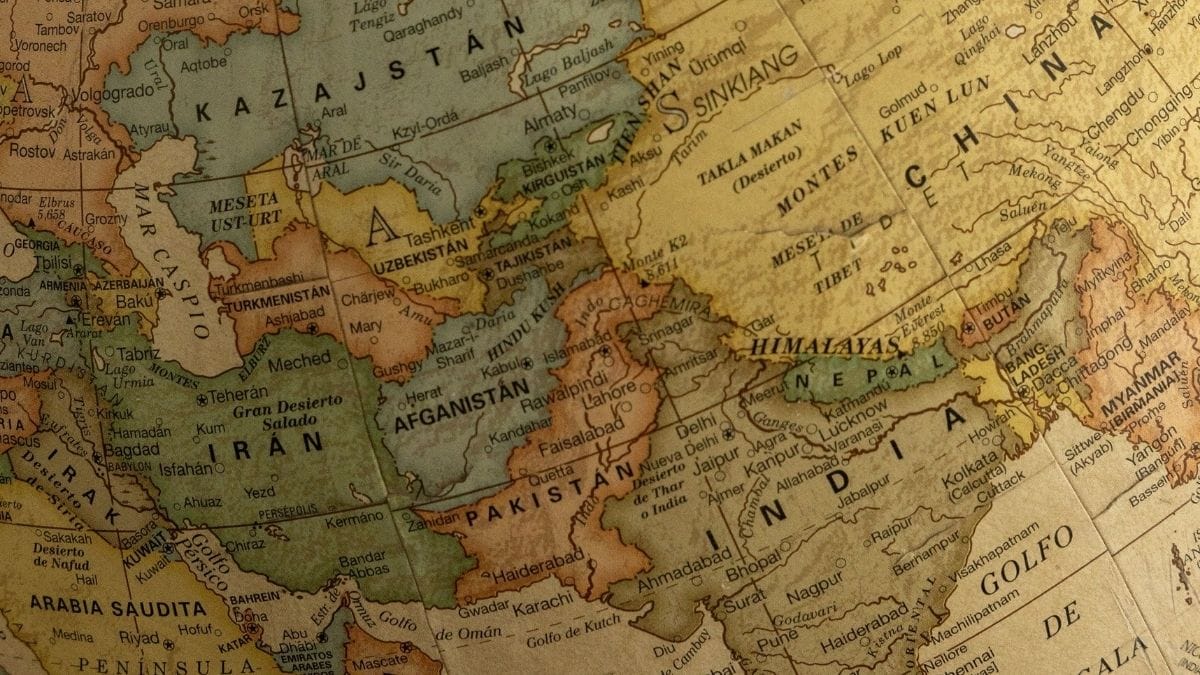
India wants better connections with Central Asia, and it sees Uzbekistan as an important partner.
Long ago, trade and travel routes connected India with the region.
Buddhist sites near Termez show that Indian ideas reached Uzbekistan many centuries ago.
Scholars from Central Asia also studied Indian languages, science and philosophy.
Today, India and Uzbekistan cooperate in education, technology, culture and yoga.
Uzbek universities teach Hindi, and Uzbek readers can access translated Indian books.
People in Uzbekistan continue to enjoy Indian films and remember Indian leaders.
The article says that stronger cooperation could support peace, trade and development across Asia.

India is seeking stronger Central Asian connectivity through the International North-South Transport Corridor, scheduled for completion by 2029.
Uzbekistan is presented as a strategic gateway for India because of its location, historical ties and role in regional cooperation.
India-Uzbekistan links include Buddhist heritage, scholarly exchanges, language programs, education, culture and people-to-people contacts.
Nearly 2,700 Uzbek nationals have received ITEC scholarships and 426 have received ICCR scholarships, according to the article.
The relationship also covers energy and technology, with Uzbekistan described as a uranium supplier and a potential source of rare earth elements.
- Who
- India, Uzbekistan, Prime Minister Narendra Modi and institutions involved in Central Asian cooperation.
- What
- India is deepening its strategic, economic, cultural and educational partnership with Uzbekistan and seeking improved access to Central Asia.
- Where
- Uzbekistan, India and the broader Central Asian region, including routes toward the Eurasian continent.
- When
- The relationship spans antiquity to the present; the International North-South Transport Corridor is scheduled for completion by 2029, and four India–Central Asia Youth Delegation editions had been held by 2026.
- Why
- India seeks stronger connectivity, regional security, economic opportunity, energy security, technological resources and people-to-people ties.
Key facts
- Connectivity project
- The multi-modal International North-South Transport Corridor is scheduled to be completed by 2029.
- Regional framework
- India’s Connect Central Asia policy focuses on political, economic, educational, cultural and people-to-people cooperation.
- Historical sites
- Kara Tepa and Fayaz Tepa near Termez preserve Buddhist archaeological remains dating to around the first century BCE.
- Language cooperation
- Hindi has been taught at Tashkent State University of Oriental Studies since 1947.
- Scholarships
- Nearly 2,700 Uzbek nationals have benefited from ITEC scholarships and 426 from ICCR scholarships.
- Youth exchanges
- Four editions of the India–Central Asia Youth Delegation had been held by 2026.
- Yoga cooperation
- Uzbekistan was the first Central Asian country to conduct yoga certification examinations under India’s Yoga Certification Board.
Sources
Related news
Why Modi Is Visiting Uzbekistan Before the SCO Summit
India and Uzbekistan Elevate Strategic Partnership During Modi Visit
Modi’s Central Asia Visit Highlights India’s Strategic Regional Outreach
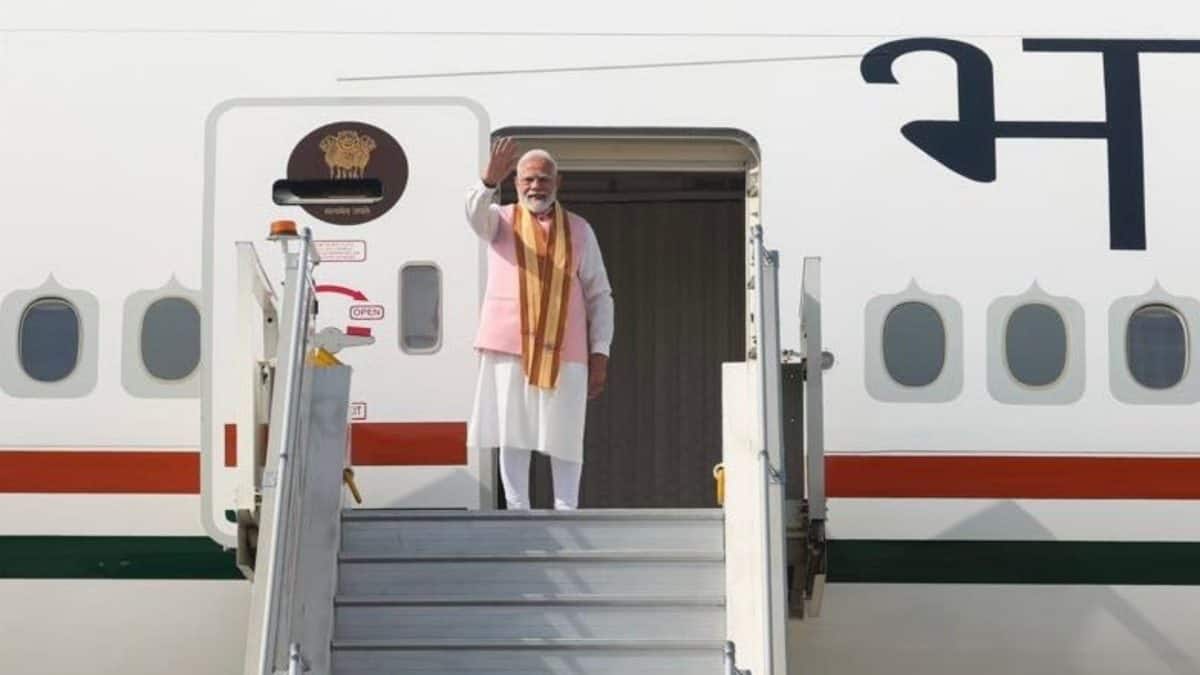
Modi’s Central Asia Tour Targets Trade, Security and Connectivity

India, Uzbekistan Elevate Ties, Target $5 Billion Trade by 2030
