

1 hr ago
India and China Signal Cautious Thaw Amid Persistent Fault Lines
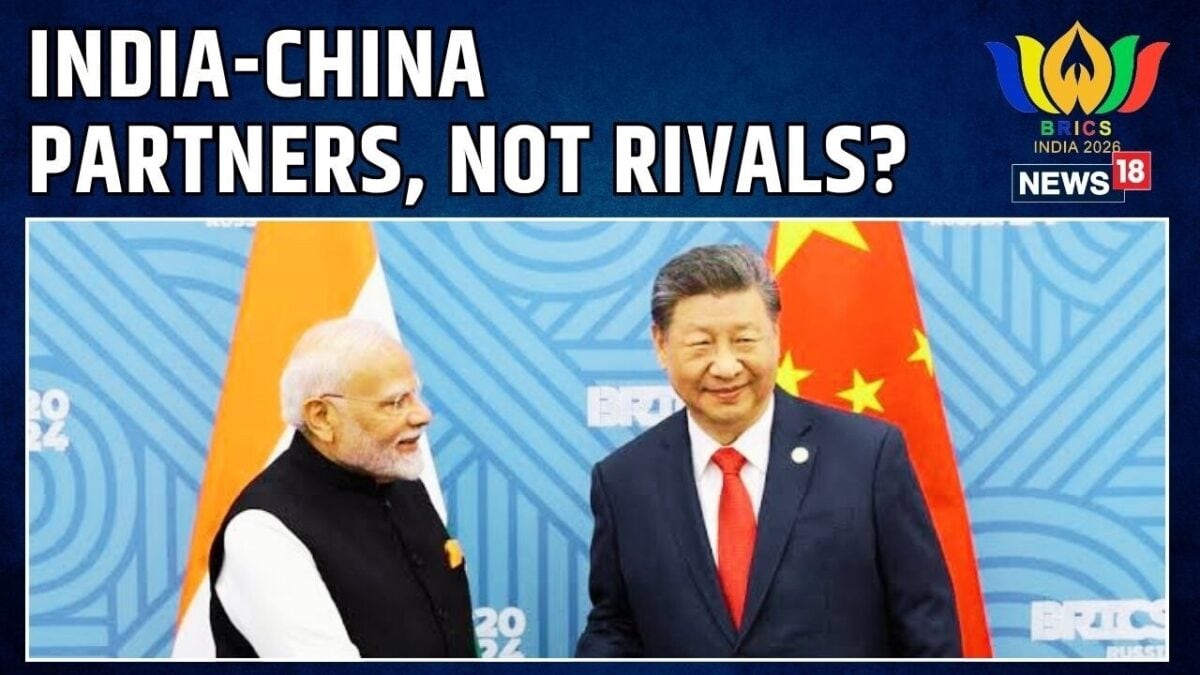
India and China are trying to improve their relationship.
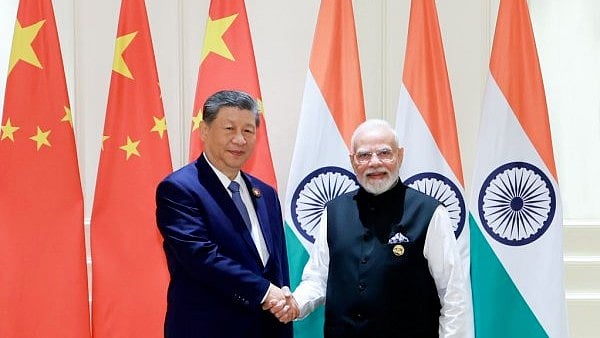
Narendra Modi and Xi Jinping said the two countries should work as partners instead of rivals.
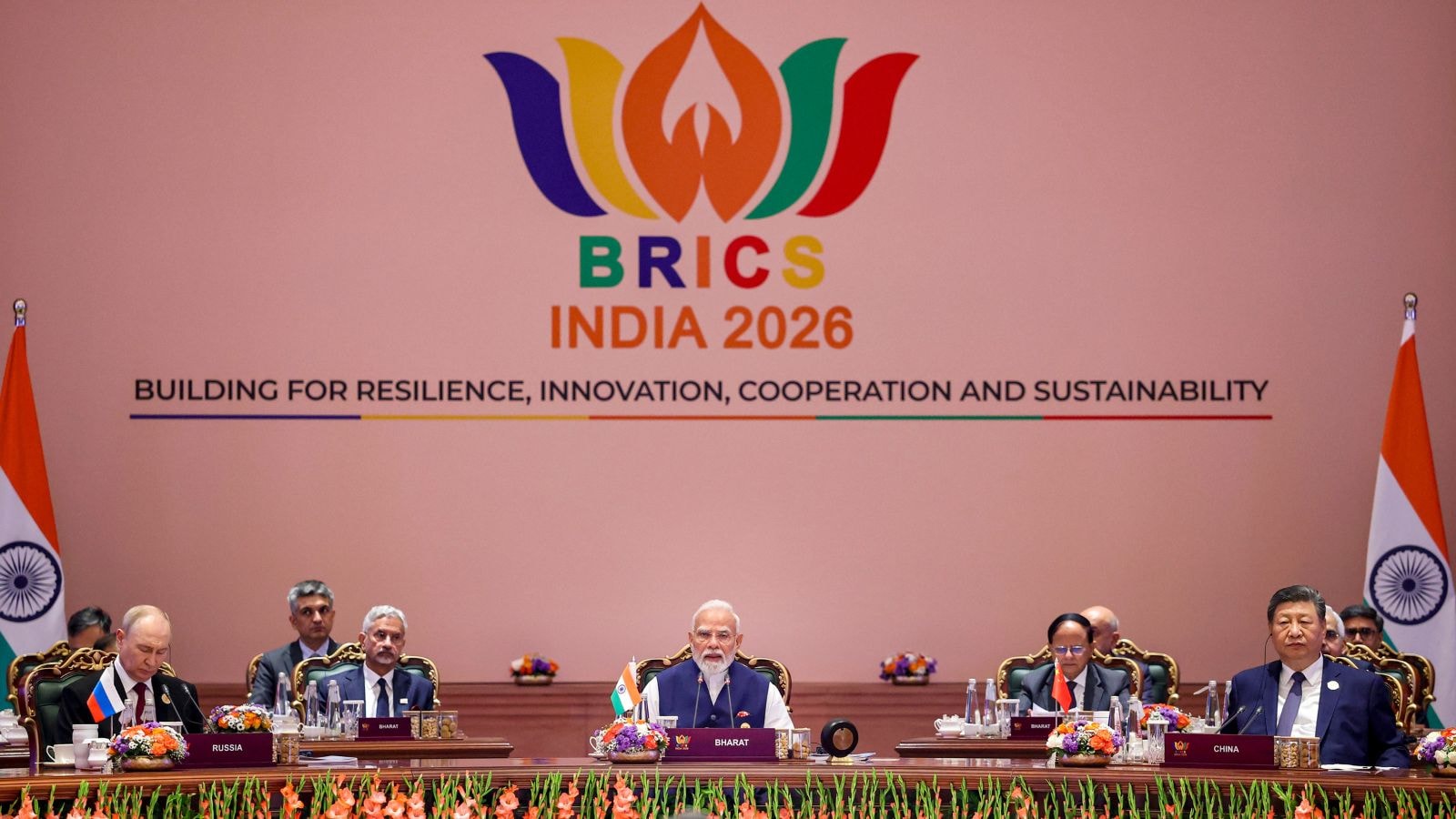
They met during the BRICS Summit in New Delhi.
Modi said peace along the border is important for better relations.
The countries want to improve trade, travel, transport and cultural exchanges.
They also want to address problems such as trade imbalances and supply chains.
However, the border dispute has not been solved.
Military forces remain along the disputed frontier, and Taiwan, Tibet and China-Pakistan ties are still sensitive.
Some people see this as a real reset, while others see it as only a temporary improvement.

Narendra Modi and Xi Jinping said India and China should be partners rather than rivals.
Modi stressed that peace and tranquillity along the border are essential for bilateral progress.
The countries discussed trade imbalances, supply chains, market access, transport links, visas and direct flights.
The meeting followed years of tension after the 2020 Ladakh clash.
The unresolved boundary, continuing military deployments, and differences over China-Pakistan, Taiwan and Tibet remain major challenges.
- Who
- Indian Prime Minister Narendra Modi and Chinese President Xi Jinping.
- What
- They signalled a cautious thaw and discussed rebuilding communication, economic ties and cooperation.
- Where
- On the sidelines of the BRICS Summit in New Delhi.
- When
- At a meeting following years of tension after the 2020 Ladakh clash; the article does not provide a specific date.
- Why
- To improve bilateral relations, expand trade and exchanges, and address border and economic concerns.
Reset Optimists
Thaw Skeptics
Meaning of the meeting
Reset Optimists
The agreement to act as partners, combined with plans for stronger cooperation and restored exchanges, indicates a possible genuine reset.
Thaw Skeptics
The improvement may be tactical because the boundary dispute, military deployments and other strategic differences remain unresolved.
Border and bilateral progress
Reset Optimists
Modi’s emphasis on peace and tranquillity could provide a foundation for expanding business, transport and people-to-people ties.
Thaw Skeptics
Continued military deployments along the disputed frontier suggest that tensions have not been fundamentally resolved.
Economic relationship
Reset Optimists
Discussions on trade imbalances, supply chains and predictable market access could support deeper economic cooperation.
Thaw Skeptics
Economic discussions may not overcome persistent structural trade concerns and broader strategic disagreements.
Key facts
- Main message
- India and China should be partners rather than rivals.
- Border position
- Modi said peace and tranquillity along the border are essential for continued bilateral progress.
- Economic agenda
- The countries discussed structural trade imbalances, supply-chain issues and more predictable market access.
- Connectivity
- Direct flights, visas, transport links and people-to-people exchanges are part of the rebuilding effort.
- Background tension
- Relations have faced years of strain following the 2020 Ladakh clash.
- Unresolved issues
- The boundary question remains unresolved, with military deployments continuing along the disputed frontier.
- Sensitive subjects
- China-Pakistan relations, Taiwan and Tibet remain strategic points of difference.
Sources
Related news
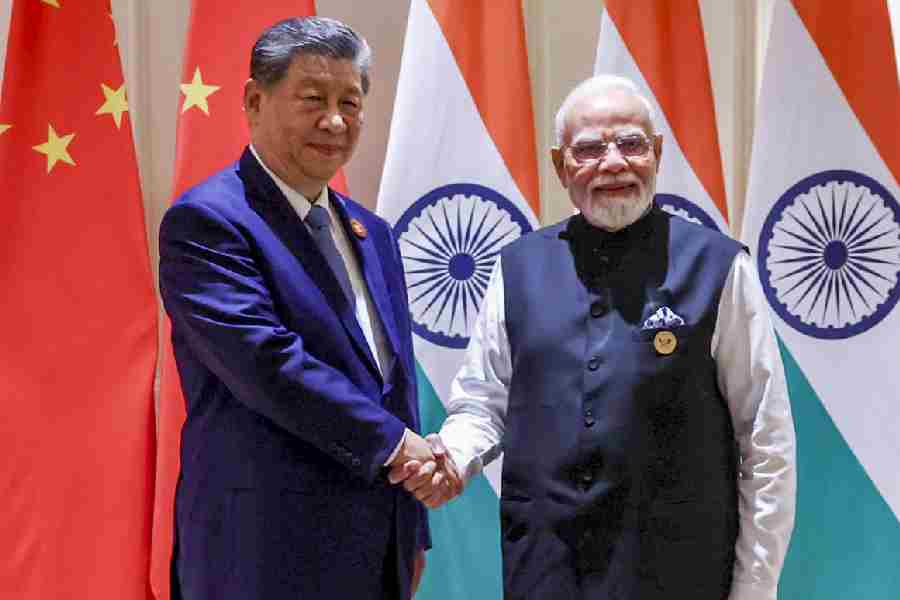
Modi and Xi Stress Border Peace, Trade and Long-Term Ties

Modi, Xi Stress Border Peace and Long-Term India-China Ties
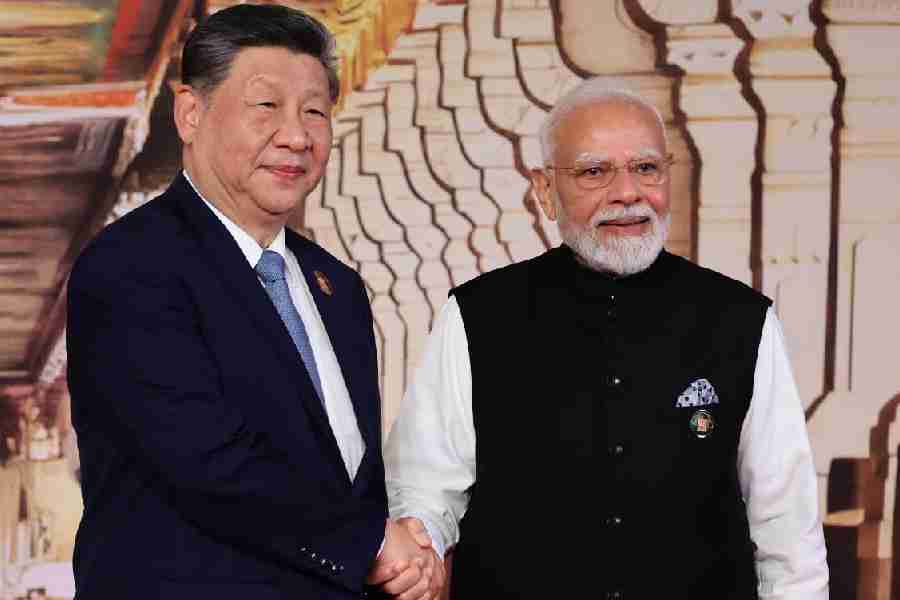
Modi and Xi Push Trade Investment as India-China Ties Reset
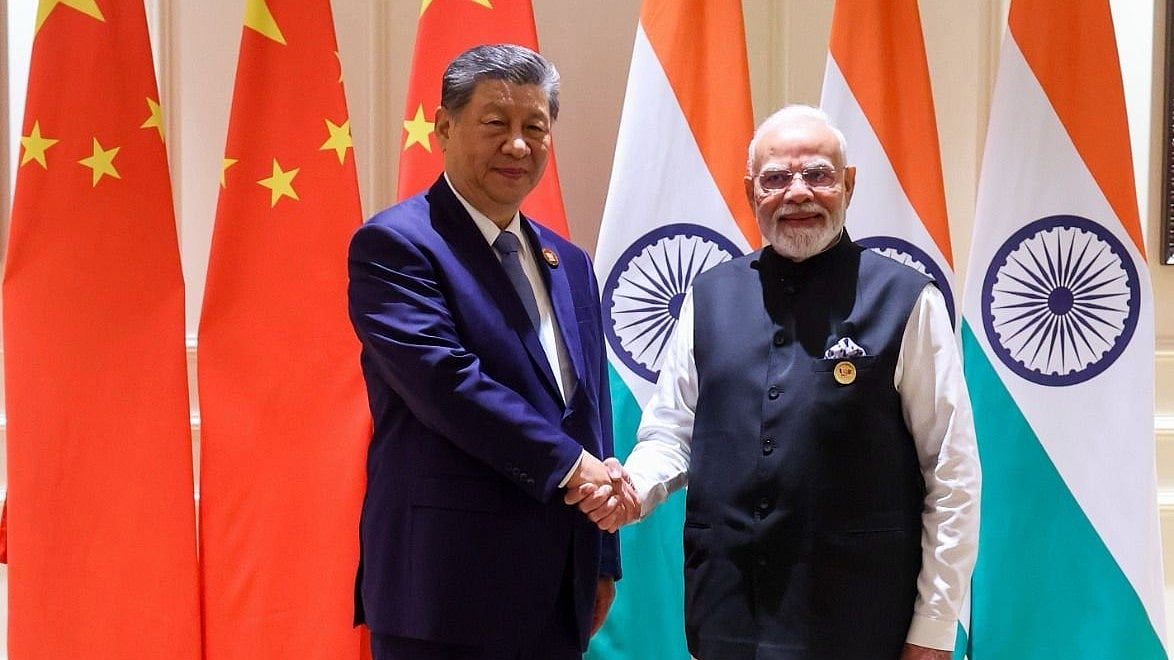
Xi and Modi Seek Stronger India-China Ties at BRICS Summit
Modi and Xi Discuss Border Peace, Trade at BRICS Summit

Xi-Modi Talks Seek Progress on Tense China-India Ties
Modi Urges BRICS Unity Against Technology and Mineral Weaponisation

Modi Checks On Xi Jinping During BRICS Summit Speech

PM Modi’s BRICS Dinner Reimagined Indian Classics for Global Palates

Modi Warns BRICS Against Weaponising Technology and Critical Minerals
BRICS Declaration Highlights India’s Diplomatic Leadership Amid Opposition Questions
