2 weeks ago
Brent tops $91 as Trump rules out extending Iran ceasefire
Oil is the fuel that powers cars, planes, trucks, and many other machines.
When people worry that there will not be enough oil, its price goes up.
The United States and Iran had a temporary agreement to calm their conflict.
The agreement was supposed to last 60 days, and the US president said he does not want to extend it.
This made people worried that the fighting will continue.
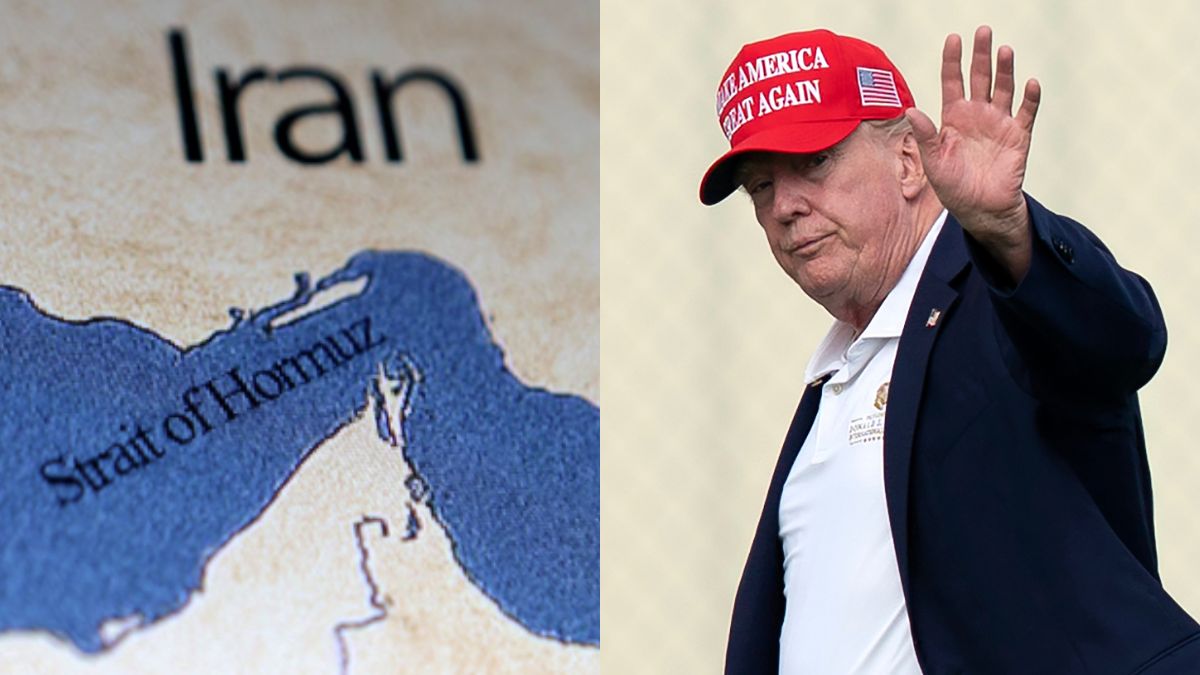
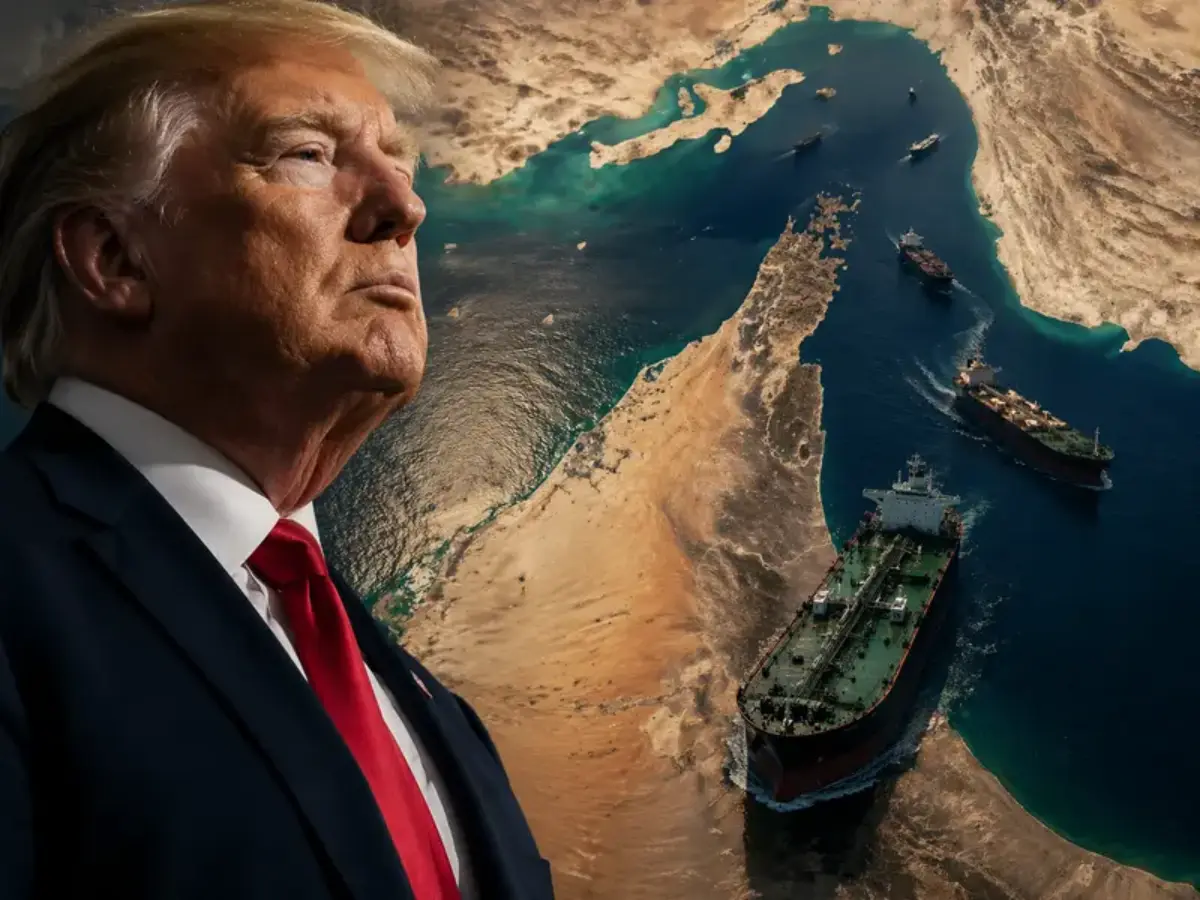
Most of the world's oil travels through a narrow waterway called the Strait of Hormuz.
Fewer ships are passing through it now, and one ship was even hit by a projectile.
Iran says it may start fighting more aggressively if diplomacy fails.
Because of this uncertainty, oil prices have gone up.
That means gasoline and other goods can cost more money for everyone.

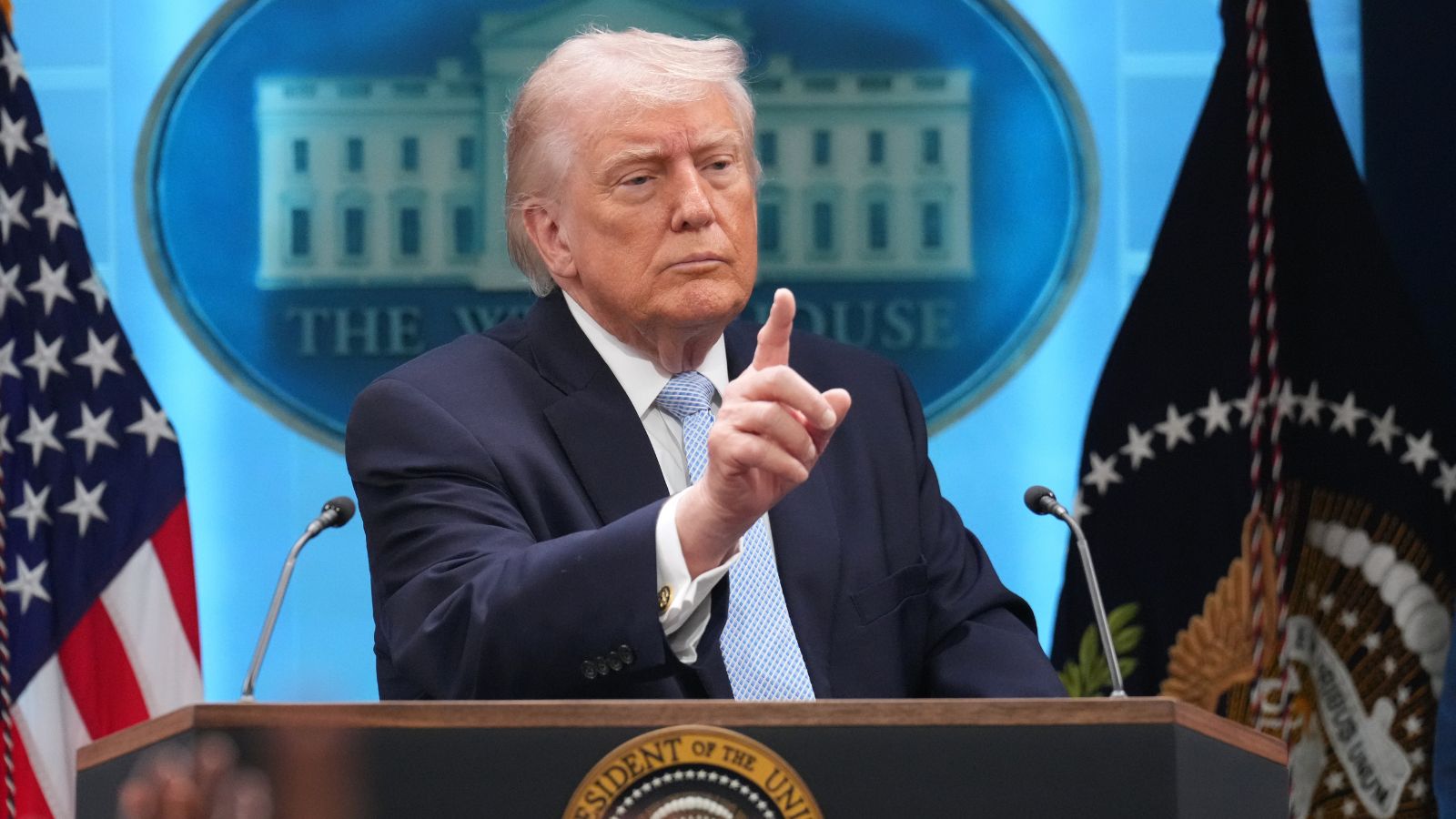
Oil prices surged after US President Donald Trump ruled out extending the interim ceasefire memorandum of understanding signed with Iran in June.
Brent crude climbed to $91.49 a barrel on Tuesday, while West Texas Intermediate rose to $85.25, after Brent settled at $90.87 on Monday.
Iran's Foreign Ministry said the US 'violated the understanding from the very beginning' and that 'the 60-day issue is not relevant,' according to state news agency Tasnim.
Strait of Hormuz crossings have fallen from more than 130 a day before the war to single digits, and a vessel was hit by an unknown projectile while exiting the strait on Tuesday.
US gasoline averaged $4.02 a gallon, up more than a dollar since the war began, even as Vice President JD Vance said cheap fuel remains 'goal No. 1.'
- Who
- US President Donald Trump and Iran, whose stalled ceasefire negotiations are disrupting global oil markets; Vice President JD Vance and Press Secretary Karoline Leavitt also commented.
- What
- Oil prices jumped to multi-week highs after Trump ruled out extending the June memorandum of understanding with Iran, deepening uncertainty over the conflict and shipping through the Strait of Hormuz.
- Where
- Global oil markets, centered on the Strait of Hormuz connecting the Persian Gulf to international waters.
- When
- Monday, August 17, with further gains on Tuesday, August 18.
- Why
- Stalled diplomacy over Iran's nuclear program and control of the Strait of Hormuz has reduced tanker traffic and raised concerns about energy supplies.
US Position
Iran Position
Ceasefire extension and the memorandum of understanding
US Position
President Trump ruled out extending the June memorandum of understanding, saying stalled negotiations over Iran's nuclear program and control of the Strait of Hormuz mean Iran won't make 'the kind of a deal that I feel is necessary.'
Iran Position
Foreign Ministry spokesperson Esmaeil Baqaei said 'We did not start any negotiations at all, and the US violated the understanding from the very beginning; therefore, the 60-day issue is not relevant.'
Nuclear program and the cost of fuel
US Position
Trump said the 'number one Goal is, and always will be' ensuring Iran never has a nuclear weapon and that he will 'never apologise' for higher gasoline prices, while Vice President JD Vance and Press Secretary Karoline Leavitt had called cheap fuel for Americans a top administration priority.
Iran Position
Iranian officials blamed the US for violating the understanding from the start, and a senior official told Reuters that Tehran will switch to a 'fully offensive' military stance as attempts to end the war hit a wall again.
Military threats and the Strait of Hormuz
US Position
Trump said in a Fox News interview that he expects Iran to 'put up the white flag of surrender' and reportedly threatened to bomb Oman if it 'gets in the way' of US-Iran talks.
Iran Position
A senior Iranian official warned that Tehran could shift toward a more offensive military posture if diplomatic efforts fail, while Oman holds separate negotiations with Iran to reopen the waterway.
Key facts
- Brent crude price
- $91.49 per barrel (Tuesday); settled at $90.87 Monday
- West Texas Intermediate price
- $85.25 per barrel (Tuesday)
- Ceasefire agreement
- Memorandum of understanding signed with Iran in June, with a 60-day deadline that has now expired
- War start
- February 28, joint US and Israel military action against Iran
- US average gasoline price
- $4.02 per gallon, up more than $1 since the war began (GasBuddy)
- Hormuz vessel crossings
- Down from 130+ per day before the war to single digits; 5 vessels Saturday, 0 Sunday (Reuters shipping data)
- Global supply through Hormuz
- About one-fifth of world's oil and liquefied natural gas
- Vessel incident
- Ship hit by unknown projectile while exiting the strait on Tuesday; engine room damage and a crew casualty (UKMTO report)
Quotes
President Donald Trump
President of the United States
“"Well, they want to make a deal, but they’re not going to make the kind of a deal that I feel is necessary."”
 financialexpress.com
Iranian Foreign Ministry Spokesperson Esmaeil Baqaei
Spokesperson for Iran’s foreign ministry
“"We did not start any negotiations at all, and the US violated the understanding from the very beginning; therefore, the 60-day issue is not relevant."”
financialexpress.com
Sources
Related news

Brent crude crosses $90 as US-Iran conflict prolongs

Oil Prices Rise Fourth Day as Hormuz Fears Grow

Oil Prices Rise as US-Iran Ceasefire Hopes Fade
Oil prices rise as US-Iran talks stall over Hormuz
Oil Prices Rise as US-Iran Strikes Threaten Hormuz Supplies

Oil Prices Surge Above $90 as US-Iran Tensions Escalate

U.S.-Iran Exchange Escalates Across Middle East, Markets Slide
Trump Aides Seek Quiet Iran War Before Midterm Elections
US Warns Middle East Travelers Amid Escalating Iran-Linked Tensions

Indian Stocks Slide as Oil, Conflict and Yields Rise

Silver Rate Today: Prices Fall 0.83% Across Indian Cities