7 months ago
Himachal Forests in Critical Decline Due to Fires and Invasive Weeds
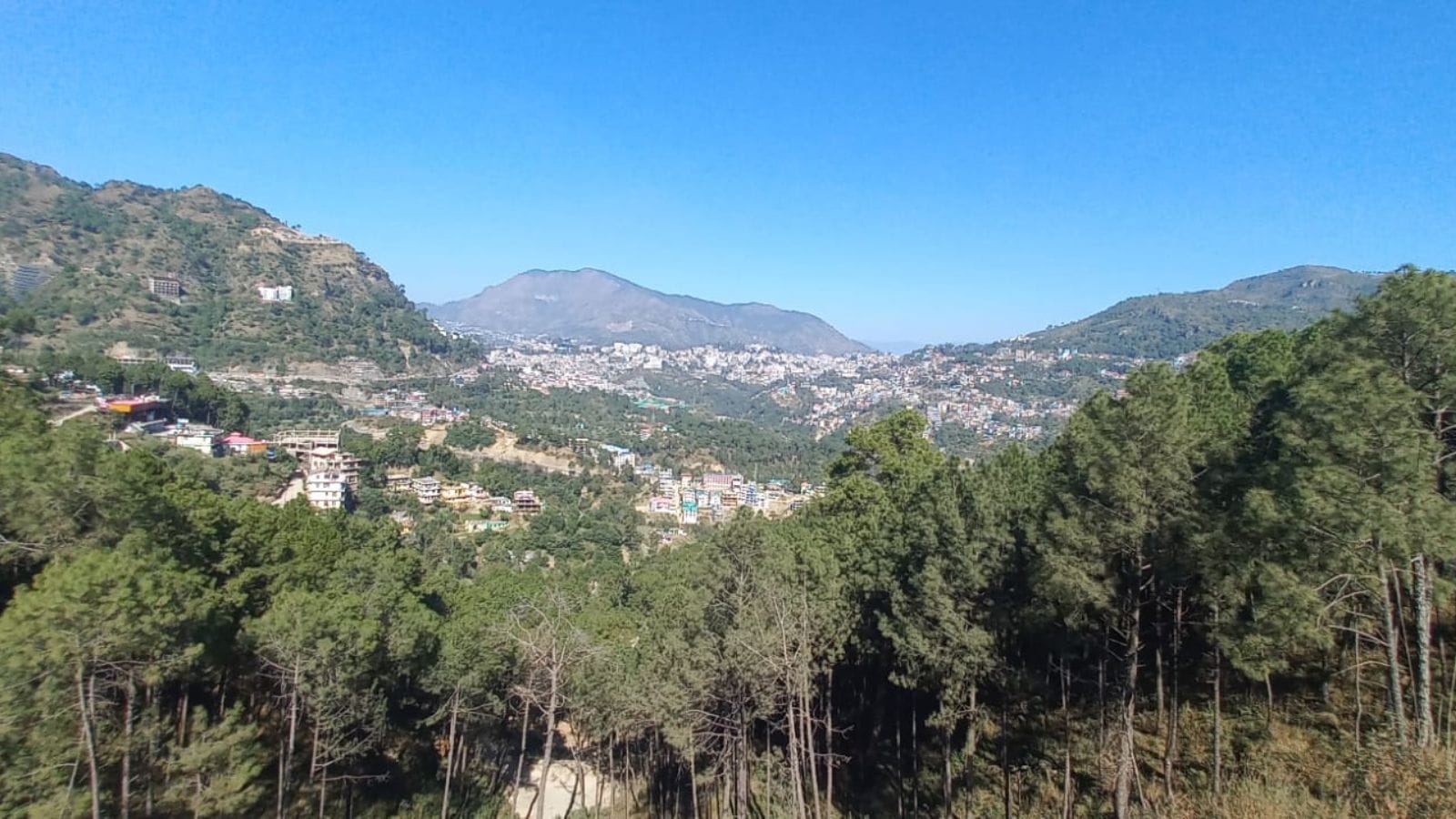
A study by experts found that forests in three districts of Himachal Pradesh are in big trouble.
Old fires that kept burning underground, bugs like termites, and fungi are killing the trees.
People building paths and orchards in the forests are making things worse.
The study says we need to remove weeds, plant new trees, and take care of the soil to save these forests.
Without help, these forests might not recover.

Forest ecosystems in Sirmaur, Shimla, and Solan districts are in critical decline due to historical and recurring forest fires.
Insect infestation, fungal infections, and anthropogenic pressures are compounding the ecological damage.
The study found that sub-surface fires have damaged root systems and made trees vulnerable to secondary biological attacks.
Invasive weeds like Eupatorium are choking the forest floor and increasing fire fuel loads.
The study recommends immediate weed eradication, scientific plantation efforts, and soil aeration for forest restoration.
- Who
- Experts from Dr Y S Parmar University of Horticulture and Forestry, Nauni
- What
- Forest ecosystems in Sirmaur, Shimla, and Solan districts are in critical ecological decline
- Where
- Sirmaur, Shimla, and Solan districts of Himachal Pradesh
- When
- Study conducted in December 2023, report submitted earlier this week
- Why
- Due to historical and recurring forest fires, insect infestation, fungal infections, and anthropogenic pressures
Key facts
- Study Conducted By
- Dr Y S Parmar University of Horticulture and Forestry, Nauni
- Affected Districts
- Sirmaur, Shimla, and Solan
- Primary Causes
- Forest fires, insect infestation, fungal infections, and anthropogenic pressures
- Key Findings
- Historical fires, termite infestation, fungal pathogens, and invasive weeds
- Recommended Actions
- Weed eradication, scientific plantation, and soil aeration
- Study Commissioned By
- Chief Minister Sukhvinder Singh Sukhu
- Study Team
- Dr Manika Tomar, Dr Ajay Sharma, and Dr Sumit
- Invasive Weed
- Eupatorium
Quotes
Study
A research study conducted by experts from Dr Y S Parmar University of Horticulture and Forestry, Nauni.
“Furthermore, the introduction of native, fire-resilient grasses such as Heteropogon contortus and Chrysopogon fulvus is essential to stabilise soil, suppress invasive weeds, and restore nutrient cycling on the forest floor.”
 indianexpress.com
“Though villagers had managed to extinguish surface fires within two to three days at the time, the fires continued to “simmer” beneath thick layers of fallen leaf litter, especially in Ban Oak forests.”
indianexpress.com
Dr Devina Vaidya
Director of Research at Dr Y.S. Parmar University.
“Restoration now requires a dual approach—immediate weed eradication to reduce fire fuel and competition, followed by phased, scientific plantation efforts to rebuild these vital ecological shields.”
indianexpress.com
Sources
Related news

Himachal Monsoon Toll Reaches 259 Amid Widespread Damage

ITBP Team Begins Expedition to Scale Mount Reo Purgyil
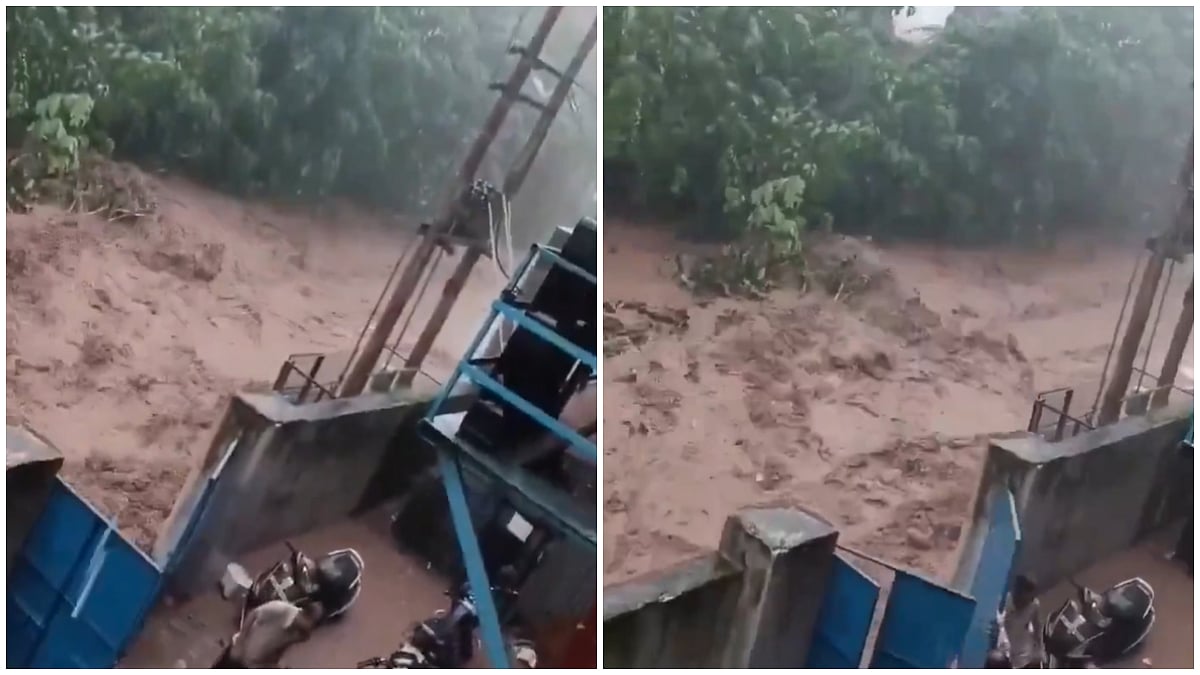
Heavy Rain Closes 76 Roads, Disrupts 72 Water Schemes
HP Assembly MLA Sharma Seeks BPL Selection Criteria Details
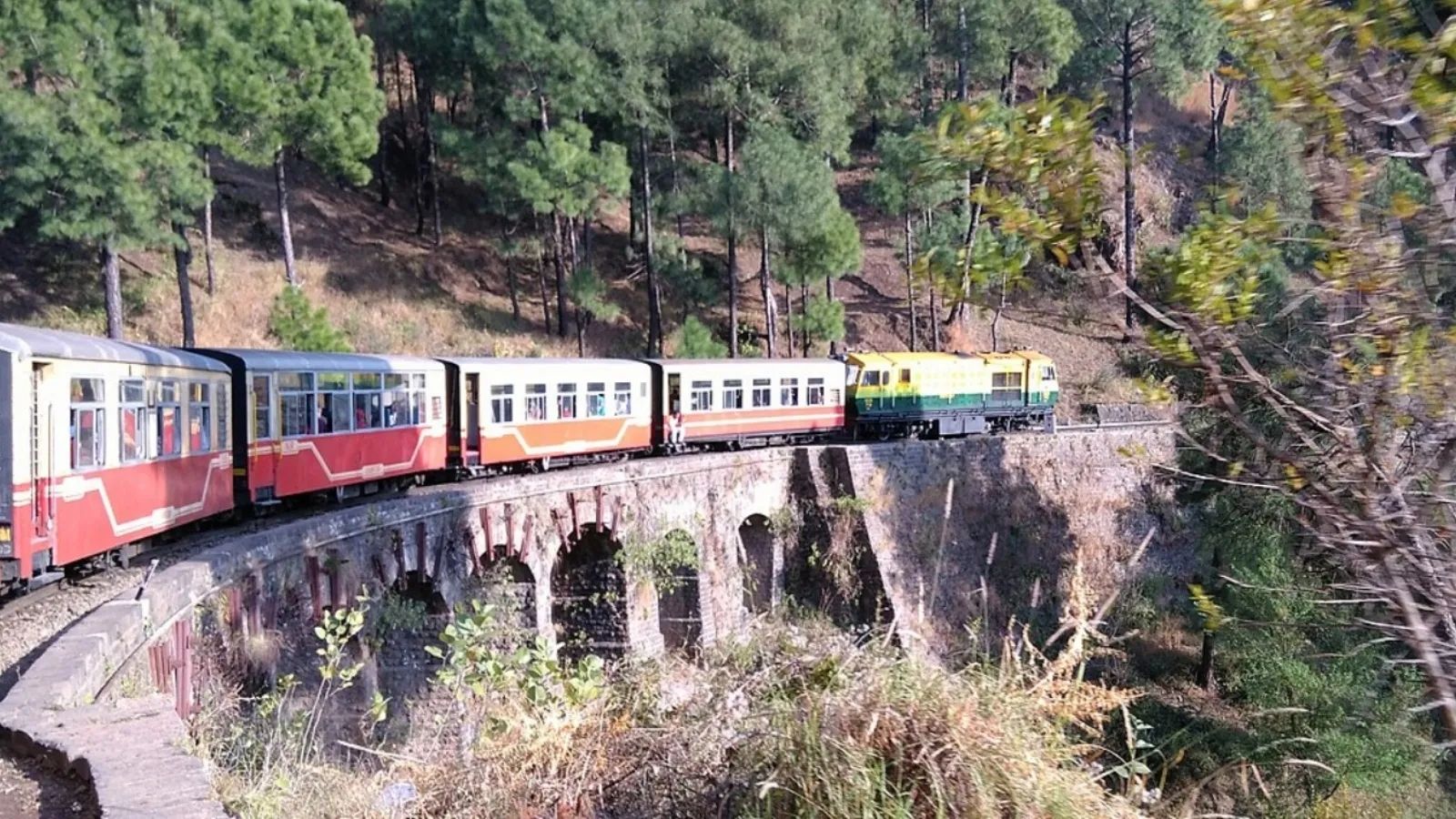
Hill Slip Disrupts Shimla-Kalka Toy Train, Over 400 Evacuated