

1 hr ago
Runaya Turns Industrial Waste Into Precision Aluminium Metal
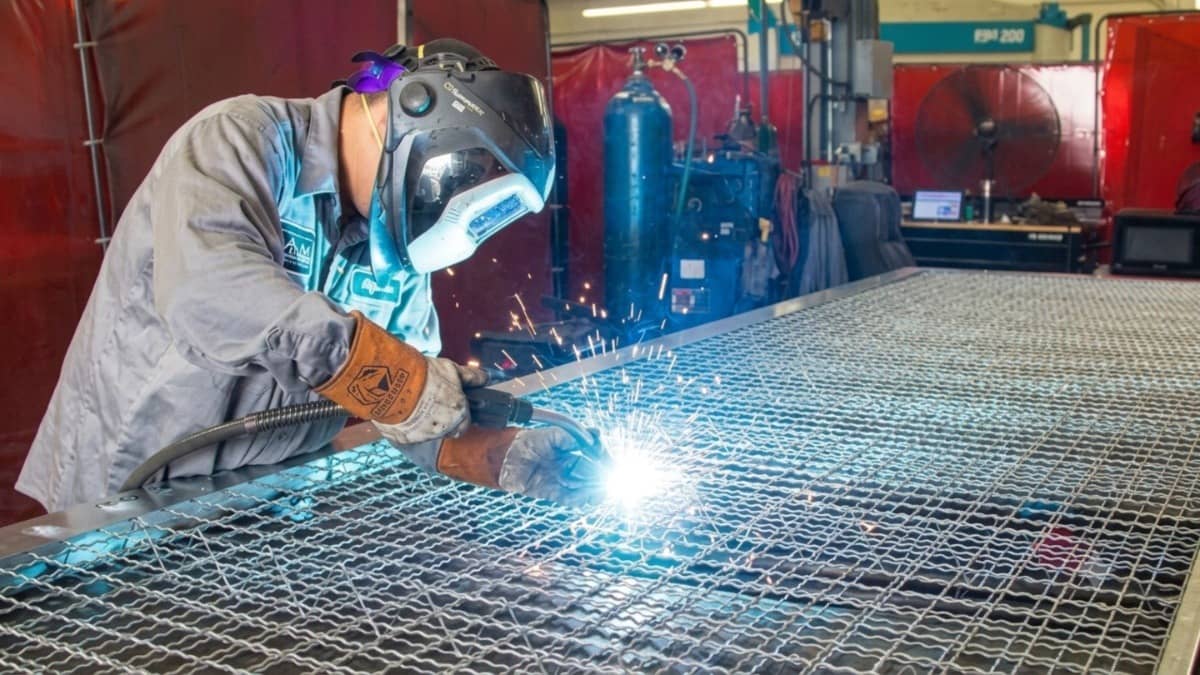
Runaya is an Indian company that takes industrial leftovers and finds useful materials inside them.
One leftover is aluminium dross, a gritty material made during aluminium production.
Runaya uses a process licensed from TAHA to recover almost 90% of the aluminium in this dross.
The company says it processed nearly 39,000 tons of dross and recovered over 14,500 tons of aluminium in FY 2024-25.
It also turns the remaining material into products that help steelmakers.
In Rajasthan, Runaya recovers metals such as zinc, cobalt, copper and lead from smelter waste.
These metals are used in products including batteries, electronics and pharmaceuticals.
Runaya is also working with Eckart to make very fine aluminium powder for industries such as aerospace, automotive and 3D printing.
The company hopes this work can reduce landfill waste and India’s need to import some metals.

Runaya processed nearly 39,000 tons of aluminium dross in FY 2024-25, recovering more than 14,500 tons of aluminium.
Its licensed TAHA process extracts nearly 90% of available aluminium from dross without external heat.
The company converts remaining dross residue into steel slag conditioners rather than sending it to landfill.
A Rajasthan unit recovers zinc, lead, cadmium, cobalt and copper from smelter residues.
Runaya and Germany’s Eckart are building India’s first gas-atomized aluminium powder plant in Jharsuguda, Odisha.
- Who
- Runaya, with technology licensed from TAHA and a joint venture with Germany’s Eckart, is carrying out the recovery and manufacturing projects.
- What
- The company is recovering aluminium and other metals from industrial residues and expanding into gas-atomized aluminium powder manufacturing.
- Where
- The recovery facilities are in Jharsuguda and Korba, while the separate base- and critical-metal recovery unit is in Rajasthan. The new powder plant is planned for Jharsuguda, Odisha.
- When
- Runaya reported its aluminium recovery figures for FY 2024-25; the Eckart joint venture is described as being launched this year.
- Why
- The initiatives aim to reduce landfill waste, recover materials for industrial use and help address India’s dependence on imported critical metals.
Key facts
- Aluminium dross processed
- Nearly 39,000 tons in FY 2024-25
- Aluminium recovered
- More than 14,500 tons
- TAHA process recovery rate
- Nearly 90% of available aluminium
- Global dross generation
- More than 4 million tons annually
- Other metals recovered
- Zinc, lead, cadmium, cobalt and copper
- New manufacturing project
- India’s first gas-atomized aluminium powder plant, planned in Jharsuguda, Odisha
- Joint-venture partner
- Germany’s Eckart
Sources
Related news
NALCO Launches Industrial Residue Recovery Pilot Plants With Research Partners

Can gold recycling become India's next circular economy success?

MiniMines Cleantech Secures Patent for Hybrid Hydrometallurgy Technology
India Turns To Technology And EPR Amid Plastic Waste Crisis
Hyderabad Hosts Workshop on Battery Waste and Critical Mineral Recovery
Hindalco Commissions India’s First Superfine ATH Plant in Karnataka

Chhattisgarh Unveils Diversified Growth and Investment Plans at Leaders Forum

Fire at carbon factory in Korba
Dismissed Home Guard jawan attempts suicide in Chhattisgarh
70-Foot Steel Bridge Stolen in Korba
