2 hrs ago
Indian Companies Expand Captive Green Power to Cut Costs
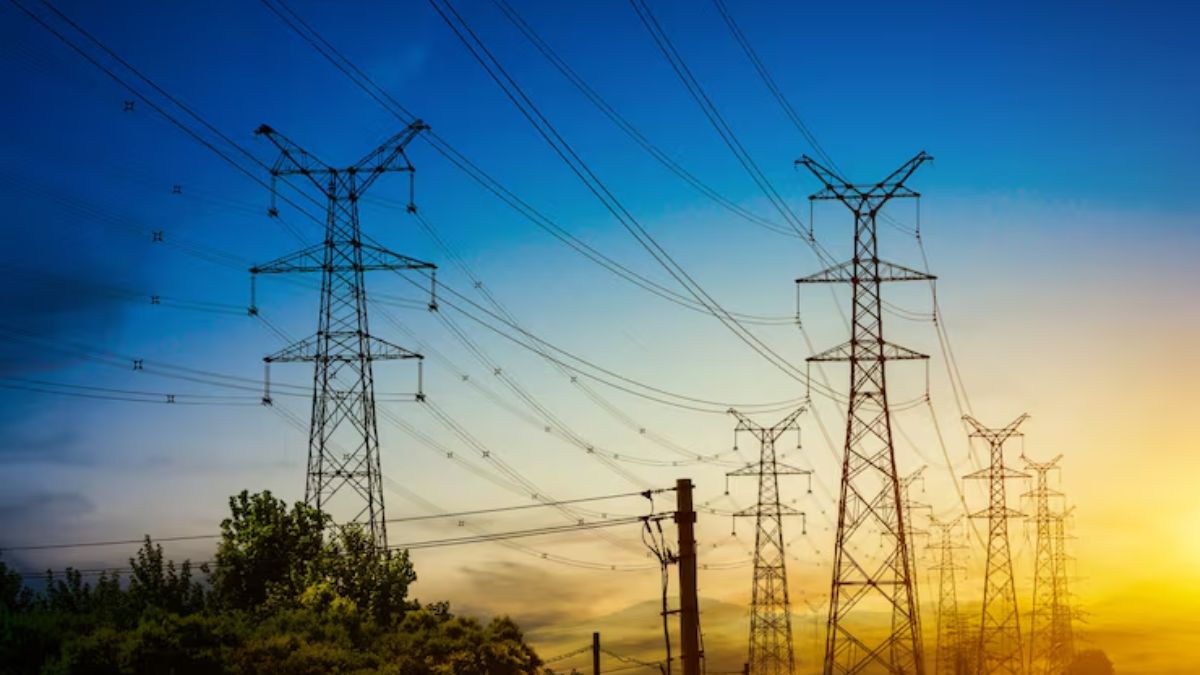
Many Indian companies need a lot of electricity to make products or run offices.
They are starting to make or arrange more of that electricity from renewable sources such as solar and wind.
This can help them rely less on the local power grid and make their electricity costs more predictable.
The change is especially important for industries that use a lot of power, such as steel and cement.
A study found that renewable electricity can cost less than grid electricity in several states.
Car companies and office operators are also increasing their use of green power.
Some companies already have large renewable projects, while others are still building them.
Businesses say this can help them meet both energy needs and emissions goals.

Companies are building or contracting renewable power projects to secure electricity, reduce grid dependence and support decarbonisation goals.
UltraTech Cement has about 2 GW of captive renewable capacity; JSW Steel has about 1 GW, with another 1.5 GW in commissioning stages.
A 2026 study found electricity can make up 40% of secondary steel operating costs; renewable power in several states costs Rs 4.5-6 per unit versus grid tariffs of Rs 7-8.
Maruti Suzuki says renewables supplied nearly 23% of electricity at its manufacturing facilities in FY26, with a target of 85% by FY31.
Companies including Tata Motors, Embassy REIT and WeWork India are also using or developing captive and other dedicated renewable power projects.
- Who
- Indian companies in sectors including steel, cement, metals, automobiles and commercial real estate.
- What
- They are expanding captive and other dedicated renewable power projects to supply their operations.
- Where
- India, including projects and operations in Karnataka and Bengaluru.
- When
- The trend is underway; company figures cited include FY26 consumption and targets for FY31.
- Why
- To improve energy security, reduce grid reliance and electricity costs, and support decarbonisation goals.
Key facts
- Renewable power cost
- Rs 4.5-6 per unit in several states, according to a 2026 study.
- Grid tariff comparison
- Rs 7-8 per unit, according to the same study.
- UltraTech Cement capacity
- Around 2 GW of captive renewable capacity.
- JSW Steel capacity
- About 1 GW in place, with another 1.5 GW in various commissioning stages.
- Maruti Suzuki renewable share
- Nearly 23% of electricity at manufacturing facilities in FY26; target of 85% by FY31.
- Embassy REIT solar park
- A 100 MW solar park in Karnataka supplies electricity to its business parks.
- WeWork India solar project
- A 10 MWp plant is being set up for Bengaluru operations; the company expects renewables to rise from close to 40% to around 50% of electricity use.
Quotes
Shardul Fadnavis
Partner, Climate & Energy, PwC India
“The trend reflects evolution of India’s industrial power consumption pattern and expanding industrial base while supporting corporate sustainability goals and country’s long-term decarbonization ambitions.”
 financialexpress.com
“Captive renewable power gives us an opportunity to bring greater predictability to costs, reduce exposure to tariff fluctuations and take more control over how we meet our energy needs.”
financialexpress.com
Sources
Related news

Varun Beverages to Buy Up to 26% Stake in Solar Company

India’s Power Emissions Stay Flat as Clean Energy Surges
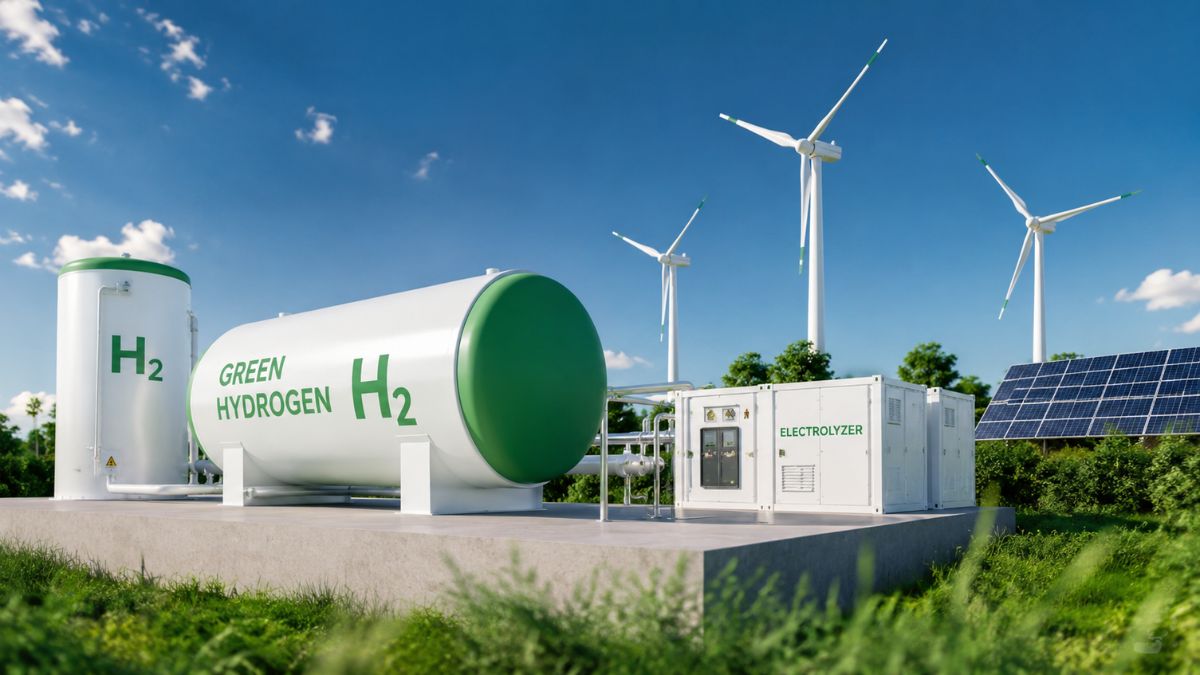
India Plans Flexible Power Rules for Data Centres, Hydrogen

NTPC Invites Industries to Take 26% Stakes in Co-Generation Projects
Tamil Nadu Targets Power Self-Sufficiency With Renewables and Thermal Plants
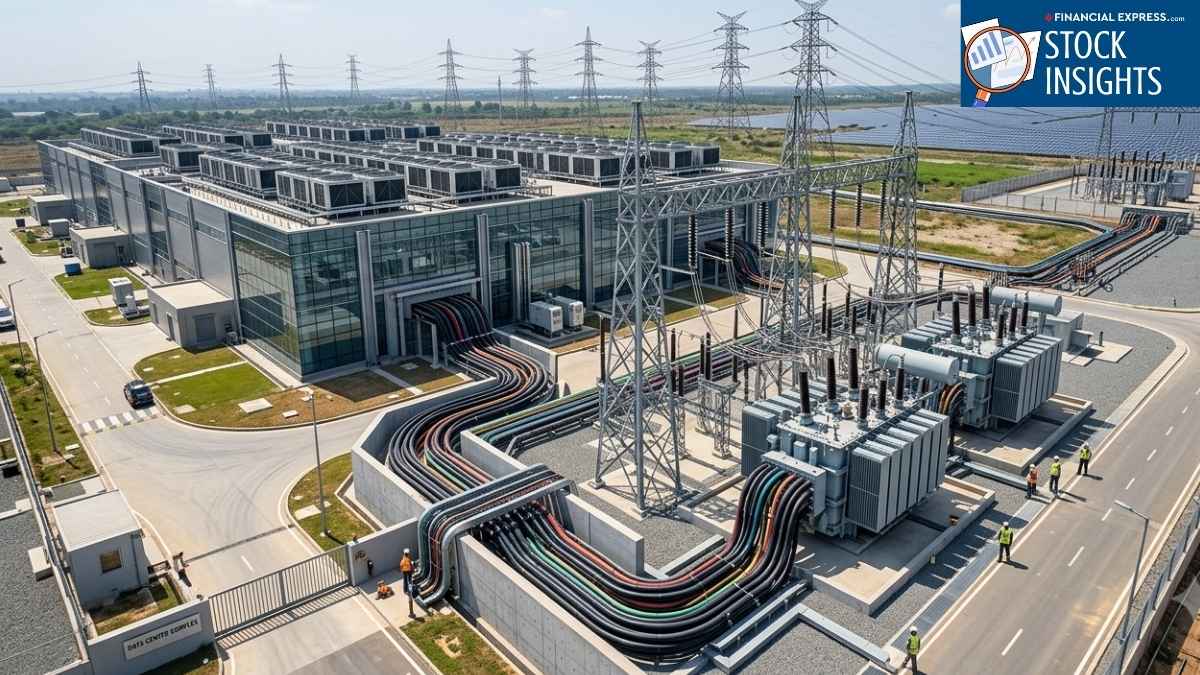
India’s Data Centre Boom Boosts Renewable Power and Cable Stocks

Nifty Drops 11% Between Navratri Periods Amid Global Headwinds

Small Facelifts and Revived Badges Struggle to Attract Buyers

Tata Motors Unit Raises Iveco Offer to €14.40 Per Share

Nifty Falls 11% Between Navratri Periods Amid Global Pressures