

8 hrs ago
Tamil Nadu Targets Power Self-Sufficiency With Renewables and Thermal Plants
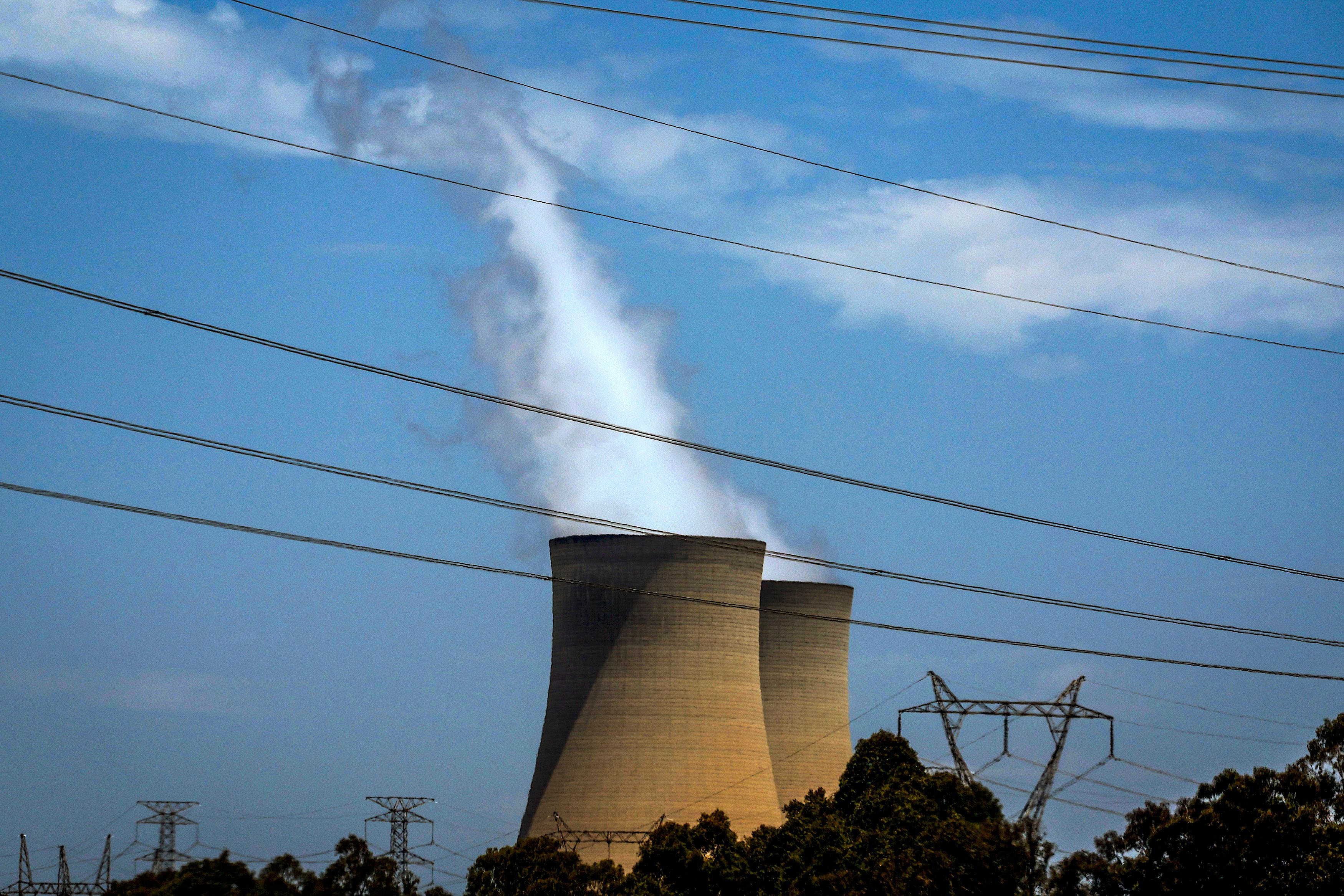
Tamil Nadu needs more electricity as homes and businesses use more power.
The state wants to make enough electricity at home so it does not have to buy as much from elsewhere.
It plans to use more wind and solar power, and to add batteries to store electricity.
It is also building or planning power stations that burn coal.
Officials say some of these projects could help supply electricity during periods of high demand.
The state had 46,846 megawatts of installed power capacity on July 1.
It wants renewable energy to make up half its energy share by 2031.
The electricity board also hopes more local generation will ease its large debts and expenses.

Chief Minister C. Joseph Vijay has directed officials to speed up renewable energy, storage and grid improvements while completing generation projects on schedule.
Tamil Nadu’s peak electricity demand reached 21,400 MW in September, up from 17,500 MW in September last year; July consumption was 13% higher year over year.
The state had 46,846 MW of installed capacity on July 1, including 28,348 MW from renewable sources, and aims for renewables to reach 50% by 2031.
Thermal projects include the 2-by-660-MW Udangudi plant, an 800-MW plant announced for Thoothukudi, and the planned 1,320-MW Ennore SEZ station.
Tamil Nadu’s electricity board has debt of Rs. 2.5 lakh crore; officials say increased local generation could reduce costly power purchases from outside the state.
- Who
- The Tamil Nadu government, Chief Minister C. Joseph Vijay and the state electricity department.
- What
- A plan to increase electricity self-sufficiency through renewable energy, storage, grid improvements and additional thermal generation.
- Where
- Tamil Nadu, India.
- When
- The chief minister reviewed the electricity situation in September; the state’s renewable-energy target is for 2031.
- Why
- Rising electricity demand, reduced wind generation at times, the cost of outside power purchases and the electricity board’s debt.
Renewable-energy emphasis
Thermal-power expansion
How to build self-sufficiency
Renewable-energy emphasis
The government’s long-term plan emphasizes renewable energy, battery storage, rooftop solar and stronger electricity networks, with a target of a 50% renewable share by 2031.
Thermal-power expansion
The state is also relying on thermal generation projects to increase supply, meet rising demand and reduce purchases from outside.
Environmental and supply considerations
Renewable-energy emphasis
The article describes renewable energy as part of the state’s long-term environmental goals.
Thermal-power expansion
Officials are advancing coal-fired projects, including Udangudi; the Uppur project has faced environmental concerns and was put on hold by the National Green Tribunal before the stay was vacated by the Supreme Court.
Key facts
- Installed capacity
- 46,846 MW as of July 1
- Renewable capacity
- 28,348 MW as of July 1
- Conventional capacity
- 18,498 MW as of July 1
- Renewable target
- 50% by 2031
- Peak demand
- 21,400 MW in September, compared with 17,500 MW in September last year
- Udangudi project
- Two planned units of 660 MW each; the article gives differing descriptions of the first unit’s operating status and says the second is nearing completion.
- Electricity board debt
- Rs. 2.5 lakh crore
Sources
Related news
Tamil Nadu Says Power Purchases Prevent Shortage Amid Outages
Tamil Nadu Seeks 3,000 MW as October Power Demand Stays High

Tamil Nadu Urged to Make Sustainability Core to Growth Strategy
Keralam and NTPC Plan 2,000-MWh Battery Storage at Kayamkulam
Naini Coal Supply Aims to Boost Yadadri Power Generation
Kerala Plans 100 Percent Renewable Electricity by 2040
Delhi Protests Test Balance Between Dissent and Public Order
Modi Urges Gen Z to Dream Big in Chennai

CJP Vows Nationwide Protests Over Voter Roll Revision
Supreme Court Orders Rights Protections During Delhi Protest

Delhi Protest, RBI Controls and Global Trade Tensions
