14 hrs ago
India Plans Flexible Power Rules for Data Centres, Hydrogen
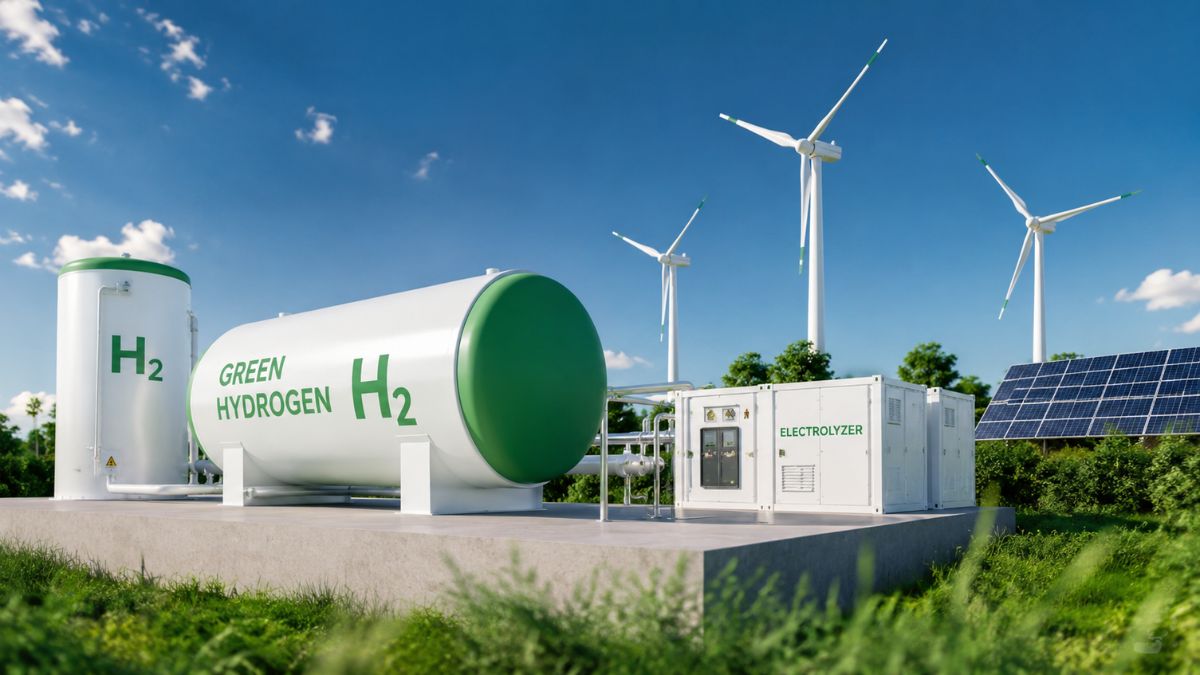
India is preparing new electricity rules for very large users such as data centres and green hydrogen plants.
These users may be asked to use more power when renewable electricity is plentiful.
They may also need to reduce grid use or rely on batteries when the electricity system is busy.
Special time-based prices could encourage them to change when they use electricity.
The plan is meant to help India use more solar and wind power safely.
Solar and wind output changes with weather, which can make the grid harder to balance.
Experts say flexible demand could reduce pressure on the grid and prevent renewable electricity from being wasted.
However, companies may face higher costs for batteries and smart energy systems.
The policy is moving toward final approval after government consultations.

The draft National Electricity Policy may give data centres and green hydrogen projects more flexibility while requiring them to manage fluctuating electricity demand.
Large consumers could shift usage, rely on stored electricity, or return surplus power to the grid when conditions require it.
Time-of-use tariffs and market-based ancillary services could help integrate growing solar and wind generation.
India may need 174 GW/888 GWh of energy storage by 2035-36, while peak demand is projected to reach 459 GW.
The Power Ministry has sent the Cabinet note for inter-ministerial consultation after incorporating stakeholder comments.
- Who
- India’s Power Ministry, large electricity consumers such as data centres and green hydrogen projects, and electricity-sector stakeholders.
- What
- The draft National Electricity Policy is expected to propose flexible electricity-use rules, time-of-use tariffs, demand response, and expanded ancillary-service markets.
- Where
- India.
- When
- The policy is moving toward finalisation; storage requirements and peak-demand projections cited in the proposal cover 2035-36, with longer-term projections extending to 2047.
- Why
- To integrate increasing solar and wind generation while maintaining grid reliability, reducing peak-hour stress, and limiting renewable-energy curtailment.
Flexibility Benefits
Implementation Concerns
Grid management
Flexibility Benefits
Supporters say flexible demand, storage, and demand response could reduce peak-hour stress, improve frequency stability, and minimise renewable-energy curtailment.
Implementation Concerns
Critics and industry observers warn that mandatory flexibility could make operations more complex for large consumers.
Costs for large consumers
Flexibility Benefits
Time-of-use tariffs and falling battery-storage costs could make it commercially viable for companies to shift electricity use.
Implementation Concerns
Data centres and green hydrogen plants could face significant upfront investment in batteries and smart power-management systems.
Renewable integration
Flexibility Benefits
Greater flexibility is viewed as necessary to integrate larger amounts of weather-dependent solar and wind generation reliably.
Implementation Concerns
Without adequate storage, the Central Electricity Authority has warned that renewable-energy curtailment could become more pronounced as generation expands.
Key facts
- Policy status
- The Power Ministry has sent the Cabinet note for inter-ministerial consultation after incorporating stakeholder comments.
- Current non-fossil capacity
- India has reached around 300 GW of non-fossil capacity.
- Renewable share
- Variable renewable energy accounts for around 37% of installed generation capacity, while wind and solar provide around 25% of total energy requirements.
- Storage need by 2035-36
- The Central Electricity Authority estimates a requirement of 174 GW/888 GWh of storage.
- Storage composition
- The estimate includes 80 GW/321 GWh of battery storage and 94 GW/567 GWh of pumped storage.
- Projected peak demand
- Peak electricity demand is projected to reach 459 GW by 2035-36.
- Pumped-storage investment
- Around Rs 5.8 lakh crore may be required for pumped-storage projects through 2035-36.
Quotes
Anujesh Dwivedi
Partner at Deloitte India
“This can help distribution companies integrate more variable solar and wind generation, reduce peak-hour grid stress, improve frequency stability, and minimise renewable energy curtailment”
 financialexpress.com
“The proposed flexibility reflects a shift from simply adding generation capacity to managing how large new loads such as data centres and green hydrogen interact with the grid”
financialexpress.com
Sources
Related news

India’s Power Demand Surges as Data Centres Expand Grid Needs

India's Pumped Storage Push Faces ₹7.36-Trillion Investment Question

AI Power Demand Drives America’s Electricity Infrastructure Race

India's Renewable Surge Tests Power Grid Management and Innovation

India’s Data Centre Capacity Could Triple by 2030

India’s Data Centre Capacity Set to Triple by 2030