1 hr ago
NTPC Seeks Industrial Partners for Co-Generation Projects

NTPC wants businesses to join it in building co-generation projects.
These projects make steam and electricity together for factories and other industrial users.
Interested businesses could invest by taking a 26% share in a project.
NTPC is also considering power solutions that use coal, renewable energy and battery storage.
The company says the projects could help industries get dependable energy over a long period.
NTPC has more than 91 gigawatts of power capacity today.
It aims to reach 149 gigawatts by 2032, including 60 gigawatts from renewable sources.

NTPC invited Expressions of Interest from commercial and industrial entities to take a 26% equity stake in co-generation projects.
The proposed facilities would produce steam and electricity for industrial users.
NTPC also aims to explore integrated supply solutions combining coal, renewable energy and battery storage.
The initiative is intended to offer reliable, economical and sustainable energy through long-term power supply arrangements.
NTPC said it has more than 91 GW of installed capacity and is targeting 149 GW by 2032, including 60 GW from renewables.
- Who
- NTPC Limited and commercial and industrial entities interested in investing.
- What
- NTPC invited Expressions of Interest for entities to take 26% equity in co-generation projects.
- Where
- The announcement was made in New Delhi; project locations are not specified.
- When
- The article does not specify when the invitation was issued.
- Why
- To explore industrial steam and electricity facilities and integrated power supply solutions for industry.
Key facts
- Equity stake sought
- 26%
- Eligible participants
- Commercial and industrial entities
- Proposed output
- Steam and electricity for industrial requirements
- Energy options under consideration
- Coal, renewable energy and Battery Energy Storage Systems
- NTPC installed capacity
- More than 91 GW
- Capacity under construction
- More than 35 GW
- Capacity target
- 149 GW by 2032, including 60 GW from renewable energy
Sources
Related news

BARC Explores Private Partnerships for 300MW Small Reactors
NTPC Advances Plans for Three Nuclear Sites, Up to 12 GW
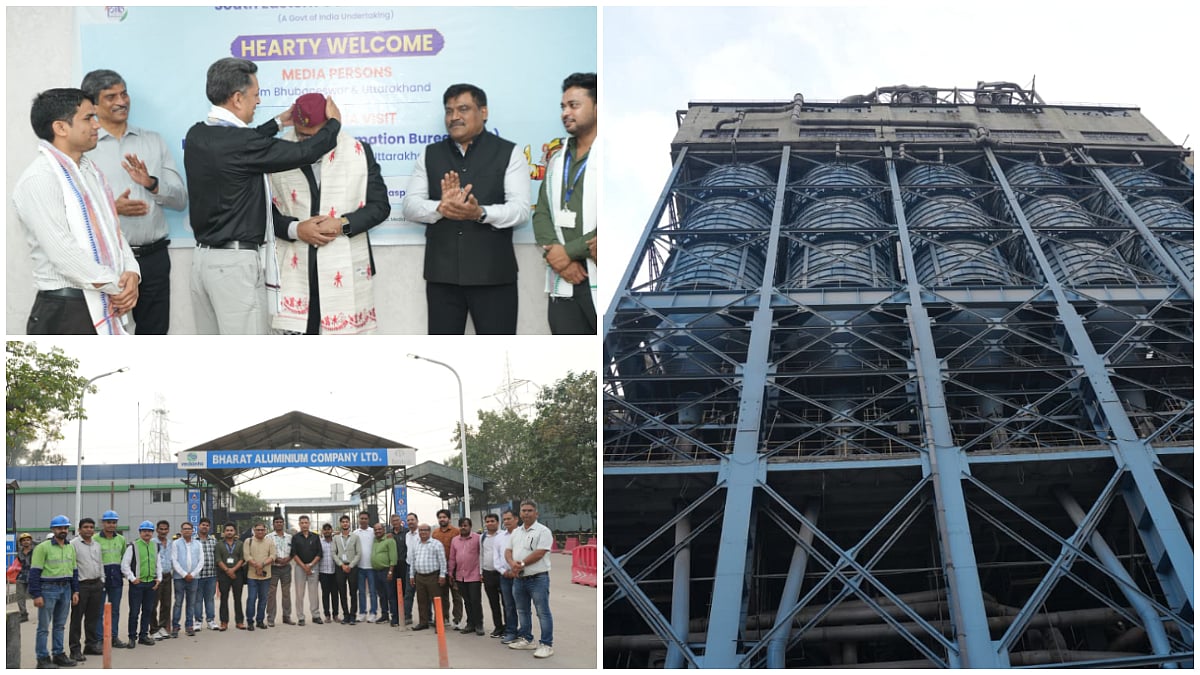
Uttarakhand Media Delegation Visits NTPC Korba, BALCO Facilities
Reliance proposes Bengal nuclear plant with ₹2 lakh crore investment
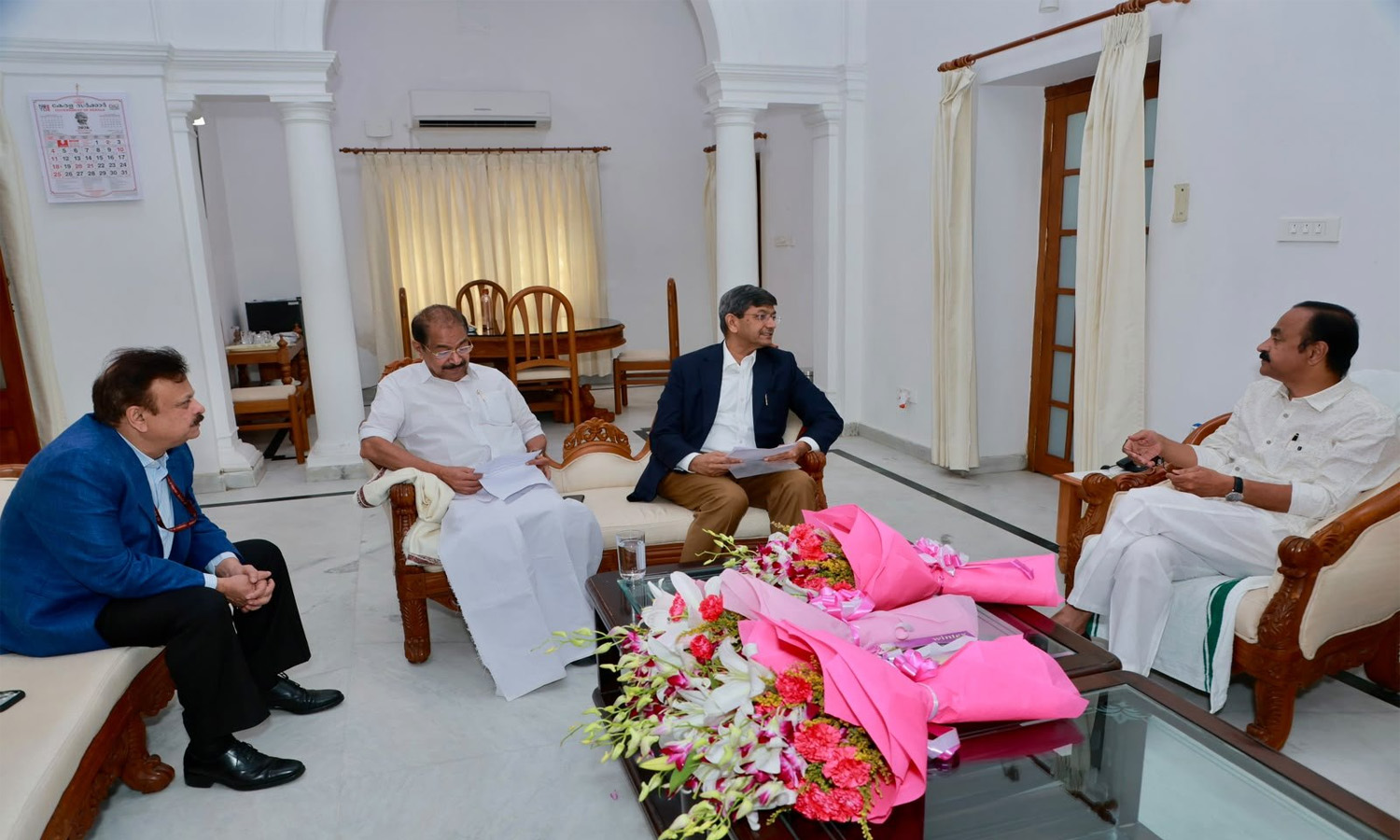
Keralam and NTPC Plan 2,000-MWh Battery Storage at Kayamkulam

Varun Beverages to Buy Up to 26% Stake in Solar Company

Deepender Hooda Jokes About Viral Mix-Up With Prakash Padukone

Neha Bora Emerges as a Face of India’s Youth Protests

Omar Abdullah Calls for Inclusive Education and Stronger School Leadership
CJP Protesters Detained as Delhi Security Tightens for Second Day
Congress Calls Delhi Protest a Second Freedom Struggle