1 week ago
Noida Workers’ Protest Highlights Dangerous Criminalisation of Labour
The article is about workers who often have unsafe jobs and little power to complain.
It says many casual workers die each year because of dangerous working conditions.
Most of India’s workers are employed outside the formal system.
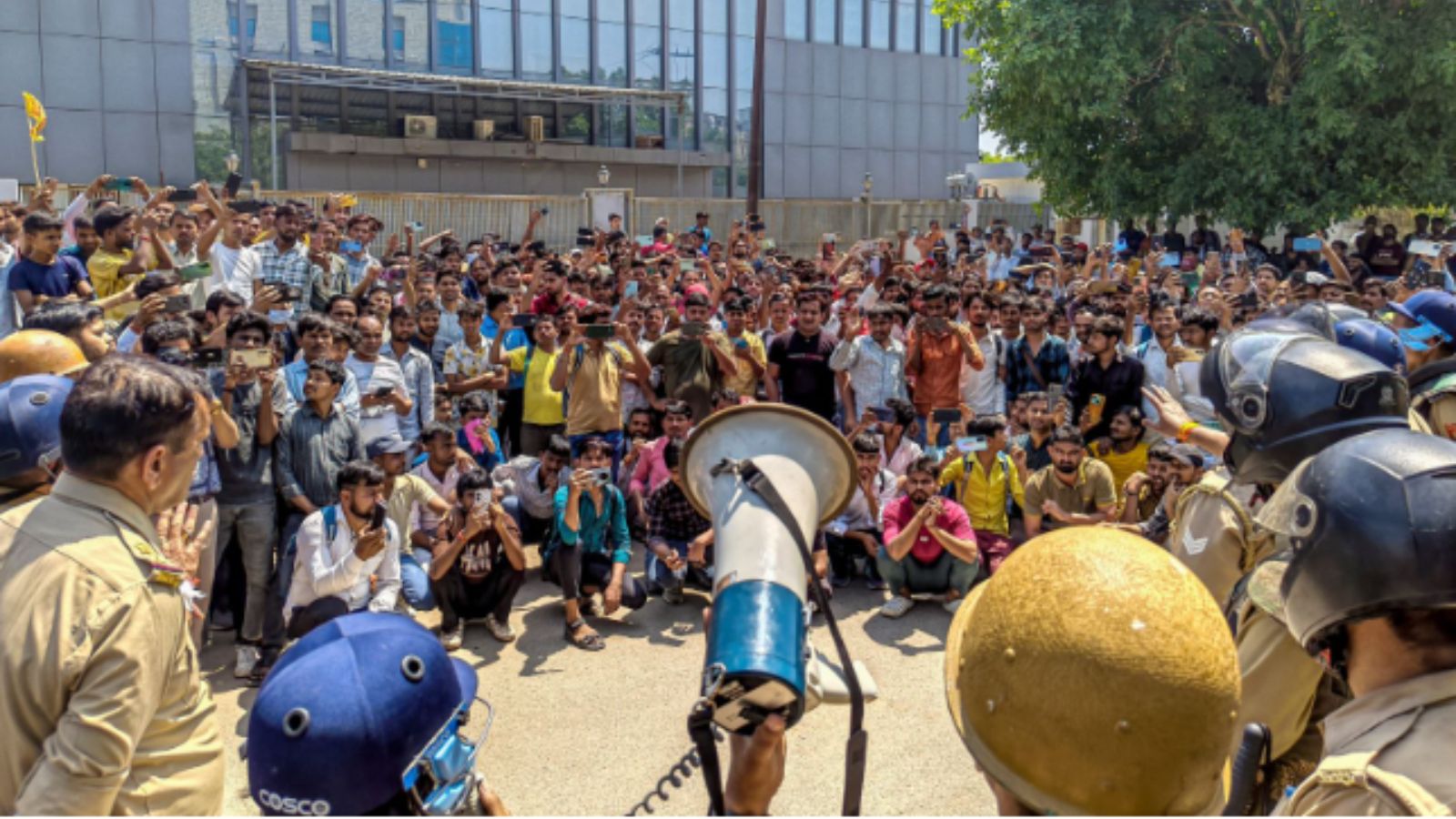
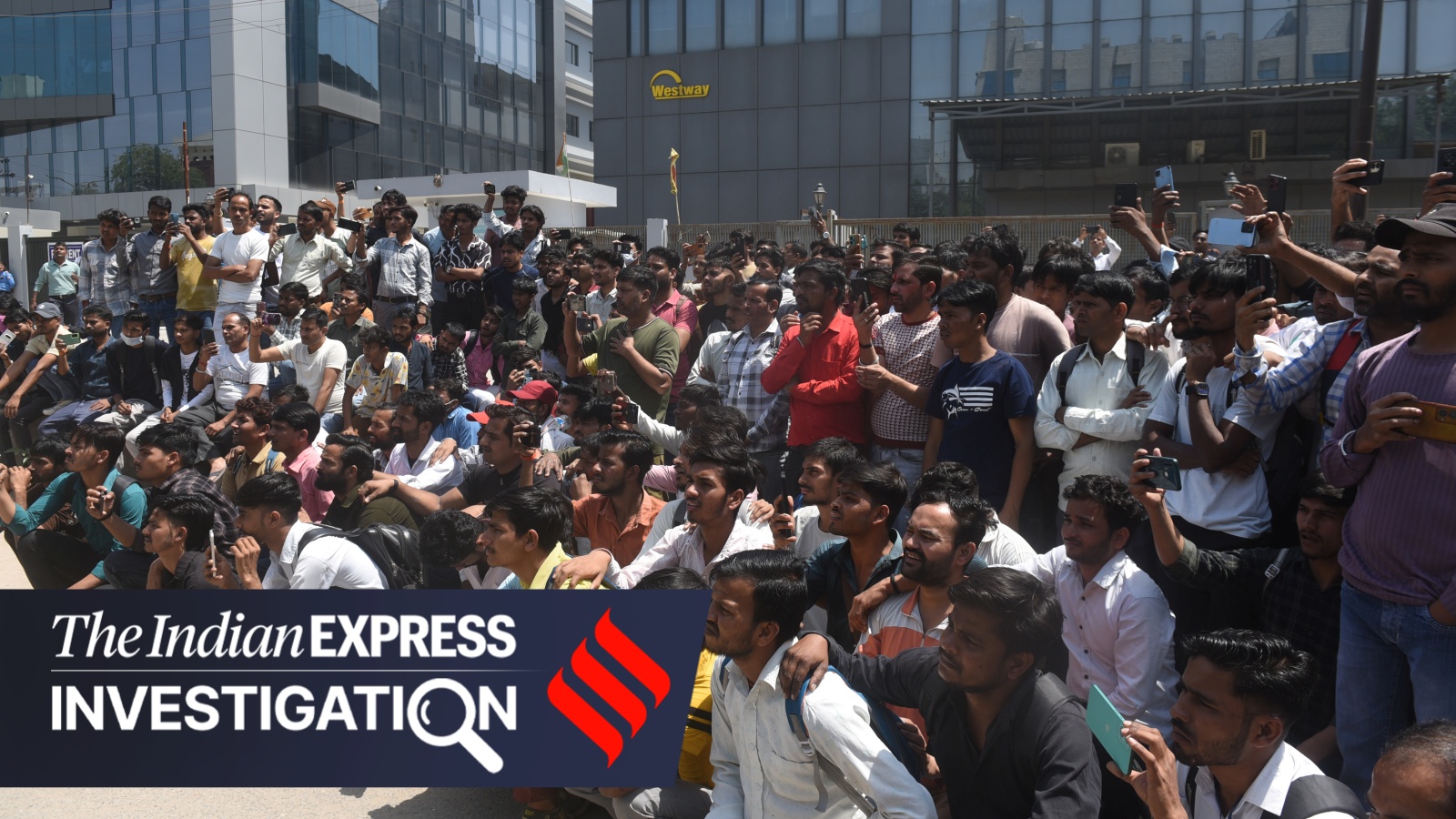
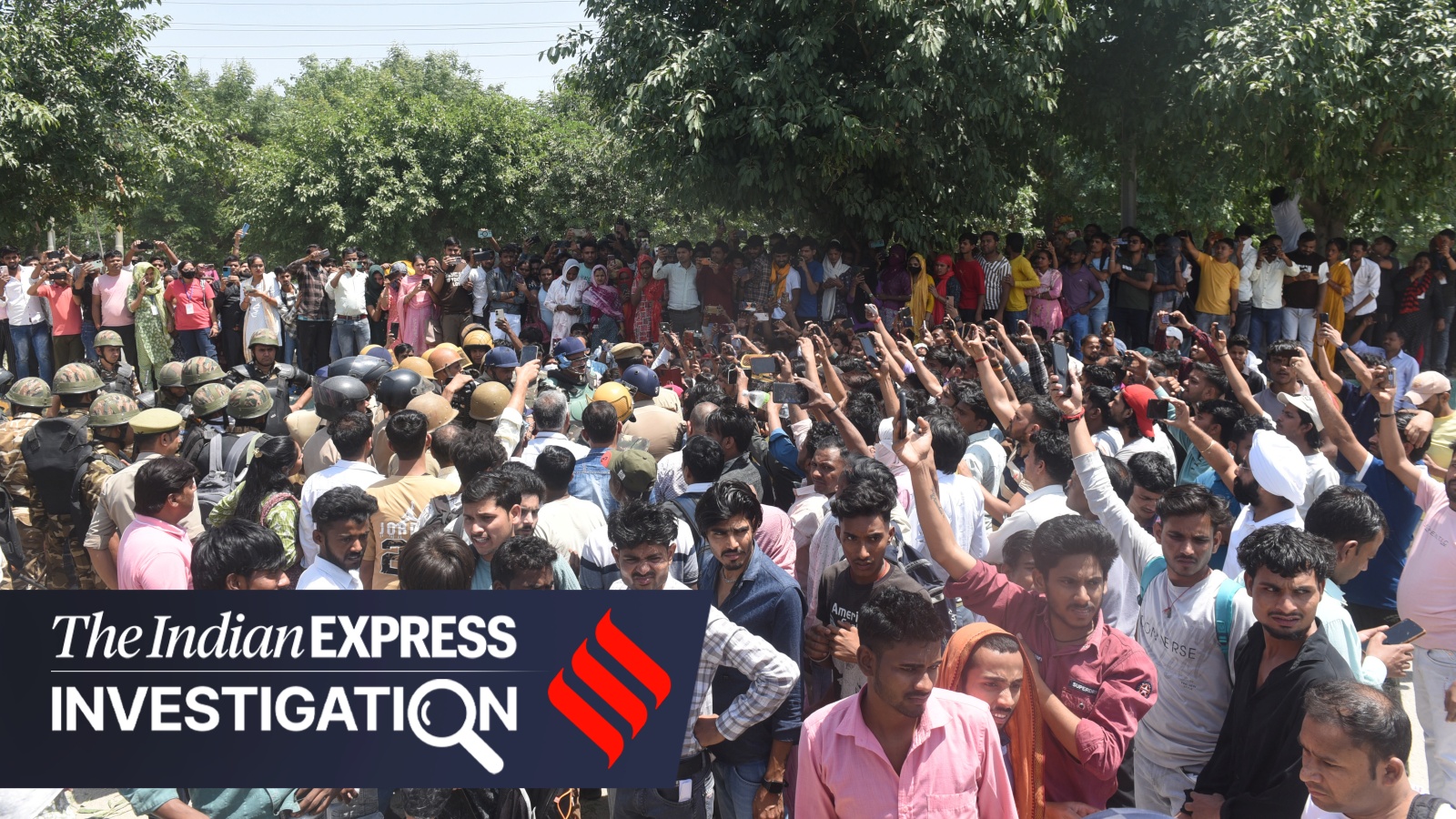
On April 13, workers in Noida and Ghaziabad protested for higher wages.
Police said the protest was connected to groups outside India and radical leftists.
Around 200 people were arrested, including a journalist and a university student.
The article says some arrests were based on alleged beliefs or reading material, not only on actions.
It compares this situation with an earlier time in Kanpur when different trade unions worked together to defend workers.
The writer argues that labour protests should not automatically be treated as criminal conspiracies.

The article says 40,000 to 50,000 casual workers die annually from occupational hazards in India’s unorganised sector.
India’s unorganised sector employs nearly 80 per cent of the workforce, while many worker deaths go unrecorded.
During an April 13 wage protest in Noida and Ghaziabad, police alleged links to Pakistan-based handlers and radical leftists.
About 200 people were arrested, including journalist Satyam Verma and Delhi University student Akriti Chaudhary under the National Security Act.
The article contrasts the Noida arrests with earlier trade-union solidarity in Kanpur and criticises the weakening of organised labour.
- Who
- Thousands of workers in Noida and Ghaziabad; police; and people including journalist Satyam Verma and Delhi University student Akriti Chaudhary who were arrested.
- What
- A wage protest led to arrests and allegations of criminal conspiracy, prompting criticism of the treatment and weakening of India’s working class and trade unions.
- Where
- Noida and Ghaziabad in Uttar Pradesh, with comparisons to Kanpur and other Indian cities.
- When
- The protest occurred on April 13; the article also refers to trade-union activity in Kanpur in 1985 and the 1997 BJP resolution.
- Why
- Workers were demanding higher wages; the article argues that labour protests and left-wing ideas are increasingly being criminalised.
Workers’ rights and civil liberties
Police and security allegations
Nature of the Noida protest
Workers’ rights and civil liberties
The article presents the agitation as a workers’ campaign for higher wages and argues that it was unfairly otherised and criminalised.
Police and security allegations
Police alleged that the agitation was sponsored by Pakistan-based handlers and radical leftists, and arrested people for allegedly inciting violence.
Arrests and evidence
Workers’ rights and civil liberties
The article argues that some people were detained because of their ideological leanings or possession of books about Marxism, Gaza, or the Palestinian struggle rather than proven criminal acts.
Police and security allegations
The police used national-security provisions, including the National Security Act, against some detainees; the article does not provide the police’s detailed evidence or subsequent legal justification.
Role of organised labour
Workers’ rights and civil liberties
The writer argues that weakened trade unions and the casualisation of employment have left workers with fewer ways to demand safe conditions and justice.
Police and security allegations
The article notes that employers, including governments, adopted contract-based hiring as a cost-saving measure, but it does not present a detailed defence of this policy.
Key facts
- Estimated annual worker deaths
- 40,000 to 50,000 casual workers reportedly die each year from occupational hazards in India’s unorganised sector.
- Share of workforce
- The unorganised sector employs nearly 80 per cent of India’s workforce, according to the article.
- Protest date
- April 13.
- Protest locations
- Noida and Ghaziabad.
- Arrests
- About 200 people were arrested for allegedly inciting violence.
- National Security Act cases
- Journalist Satyam Verma and Delhi University student Akriti Chaudhary were arrested under the National Security Act, according to the article.
- Government response
- The Uttar Pradesh government announced higher wages after the agitation.
- Historical comparison
- The writer recalls cross-ideological trade-union cooperation in Kanpur in 1985.
Quotes
Noida police officer
Police officer from Noida involved in the investigation of the Noida protest
“Pakistan-based handlers”
 indianexpress.com
Sources
Related news
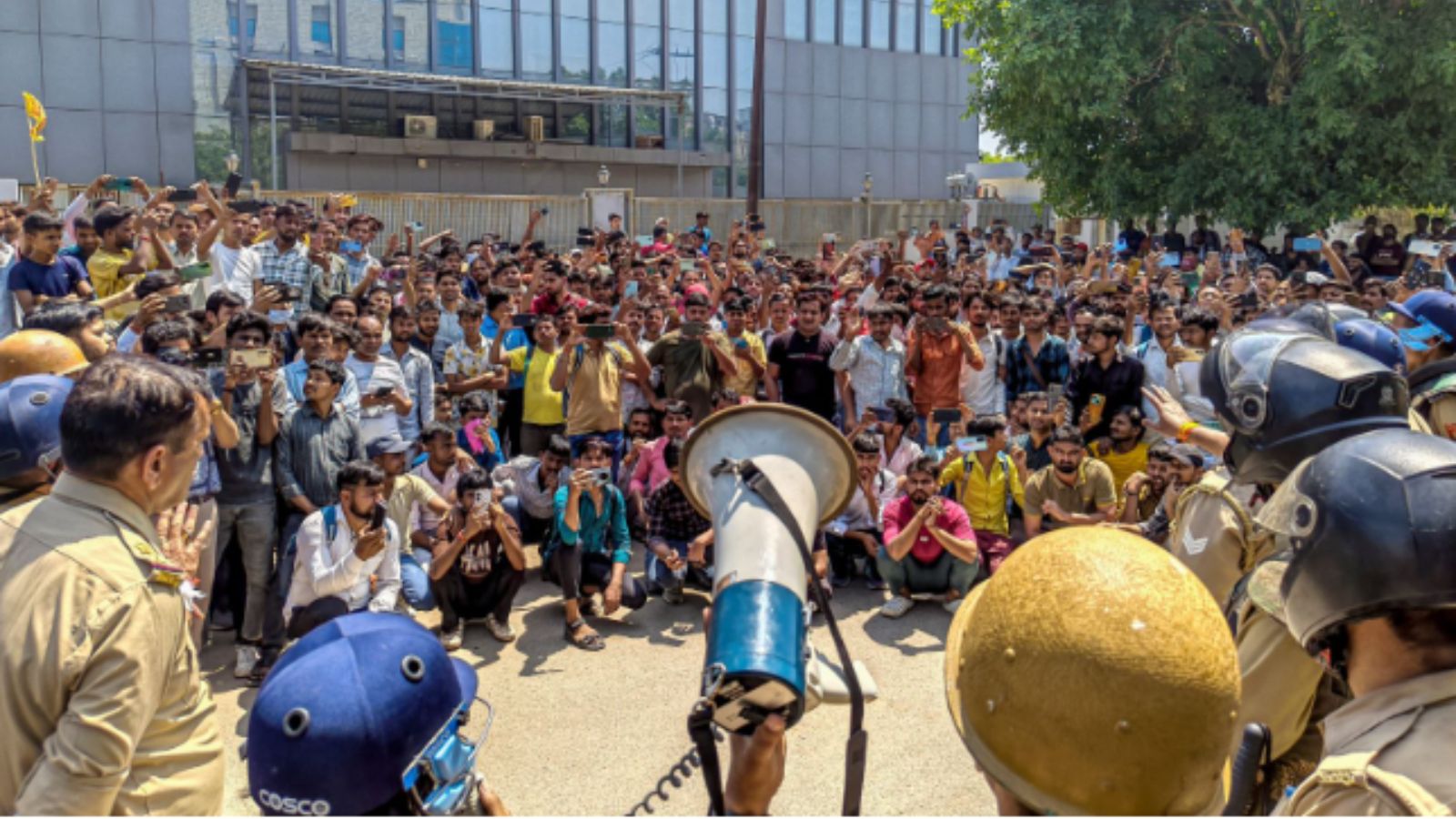
Noida Protest Arrests, Bail Orders and Vande Mataram Debate
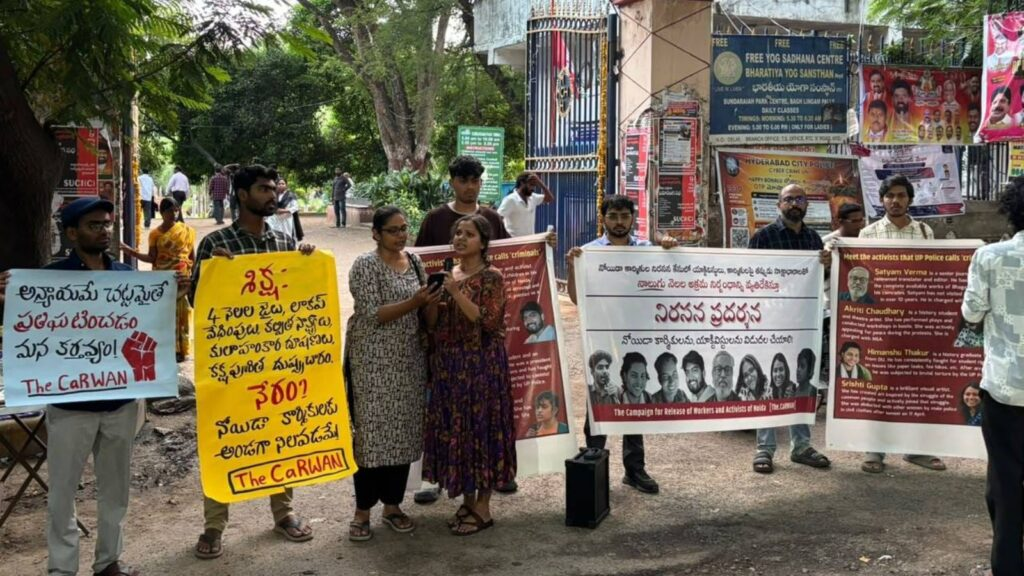
CARWAN Protests Detention of Noida Activists in Hyderabad
Noida Workers Spent 53 Days Jailed as Courts Questioned Evidence
Noida Workers Face Debt and Fear After Bail in Protests
NSA Cited as Noida Protesters Face Bail Denials

BJP Walks Caste Tightrope Between Reservation Protesters and Allies

Yogi Adityanath Urges Youth Innovation At University Foundation Day

Mahayogi Gorakhnath University Marks Five Years With 53 Courses

Chidambaram Opposes One Nation, One Election Before Panel
Kovind Urges Viewing Historic Rulers Beyond Caste and Religion