1 week ago
Noida Workers Spent 53 Days Jailed as Courts Questioned Evidence
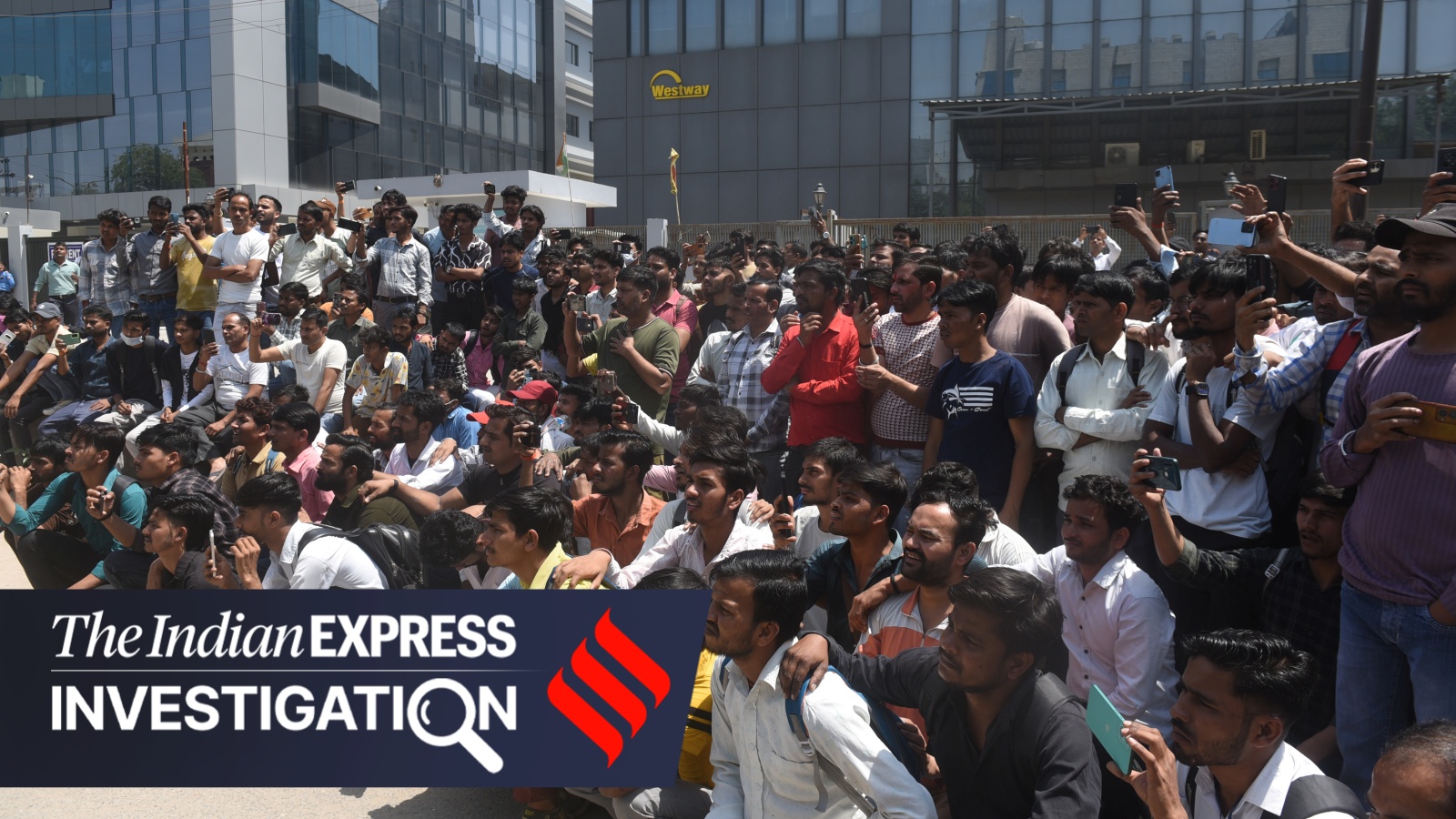
Factory workers in Noida protested because they wanted higher wages and better working conditions.
The protests began on April 10 and some parts later became violent, according to police allegations.
Police arrested many people and accused some of serious crimes.
Courts reviewed the cases and often found that the police had not shown what each arrested person had personally done.
They said simply being in a protesting crowd was not enough to deny bail.
Bail was more often denied when prosecutors presented evidence of organising, conspiracy, instigation or specific violence.
The courts reviewed 222 bail orders connected to seven cases.
Bail or other relief was granted in 188 of them.
Uttar Pradesh later announced an interim wage increase, and the protests calmed.

Police arrested up to 200 people during April wage protests in Noida, including two booked under the National Security Act.
An investigation into 106 arrests found protesters spent an average of 53 days in custody.
Courts granted relief in 188 of 222 bail orders linked to seven FIRs.
Judges repeatedly said mere presence in a crowd was not enough to establish individual criminal responsibility.
Uttar Pradesh raised wages on April 14 after protests linked to rising costs, working conditions and wage increases in Haryana.
- Who
- Factory workers and other people arrested during wage protests in Noida; police and prosecutors brought the cases, while sessions courts and the Allahabad High Court reviewed bail applications.
- What
- A crackdown on April wage protests led to arrests and serious criminal charges, followed by extensive court-ordered bail relief.
- Where
- Noida, in Uttar Pradesh's Gautam Buddh Nagar district, including industrial areas covered by seven FIRs.
- When
- The protests began on April 10; Uttar Pradesh announced a wage increase on April 14. The article reports an average custody period of 53 days.
- Why
- Workers cited higher living costs, wage demands, long working hours, work targets, limited benefits and safety concerns; courts granted bail when individual evidence was lacking.
Workers and Courts
Police and Prosecution
Responsibility for Crowd Violence
Workers and Courts
Courts said prosecutors generally needed to show what each accused personally did; mere presence in a crowd did not establish the same criminal intent or liability.
Police and Prosecution
Police alleged that protesters collectively rioted, trespassed, attacked people, damaged property, blocked roads and committed or threatened arson.
Strength of Evidence
Workers and Courts
Judges noted missing or insufficient CCTV, video, photographs, specific role descriptions, identification details and explanations for delayed FIRs in several cases.
Police and Prosecution
Prosecutors relied on witness statements, site inspections, CCTV footage, alleged WhatsApp mobilisation, recovered protest material and other evidence in particular cases.
Organisers and Instigators
Workers and Courts
The courts distinguished ordinary workers from people allegedly involved in organising, mobilising or instigating the protests.
Police and Prosecution
Bail was opposed or denied where prosecutors presented prima facie evidence of conspiratorial roles, WhatsApp coordination, instigation, outsider involvement or direct links to violence.
Key facts
- Arrests investigated
- 106 arrests involving substantive allegations were examined.
- Average custody
- Protesters spent an average of 53 days in custody.
- Bail orders
- There were 222 bail orders linked to seven FIRs.
- Relief granted
- Relief was granted in 188 orders, or 84 percent.
- National Security Act
- Two people were booked under the NSA, which allows detention without trial for up to one year.
- Unskilled wage increase
- The interim monthly wage in Gautam Buddh Nagar and Ghaziabad rose from Rs 11,313 to Rs 13,690.
- Skilled wage increase
- The interim monthly wage rose from Rs 13,940 to Rs 16,868.
Quotes
Judge of the session court
A judge presiding over bail proceedings in Noida
“The mere fact that he was part of the crowd cannot, by itself, lead to the conclusion that he possessed the same grave criminal intent.”
 indianexpress.com
Sources
Related news
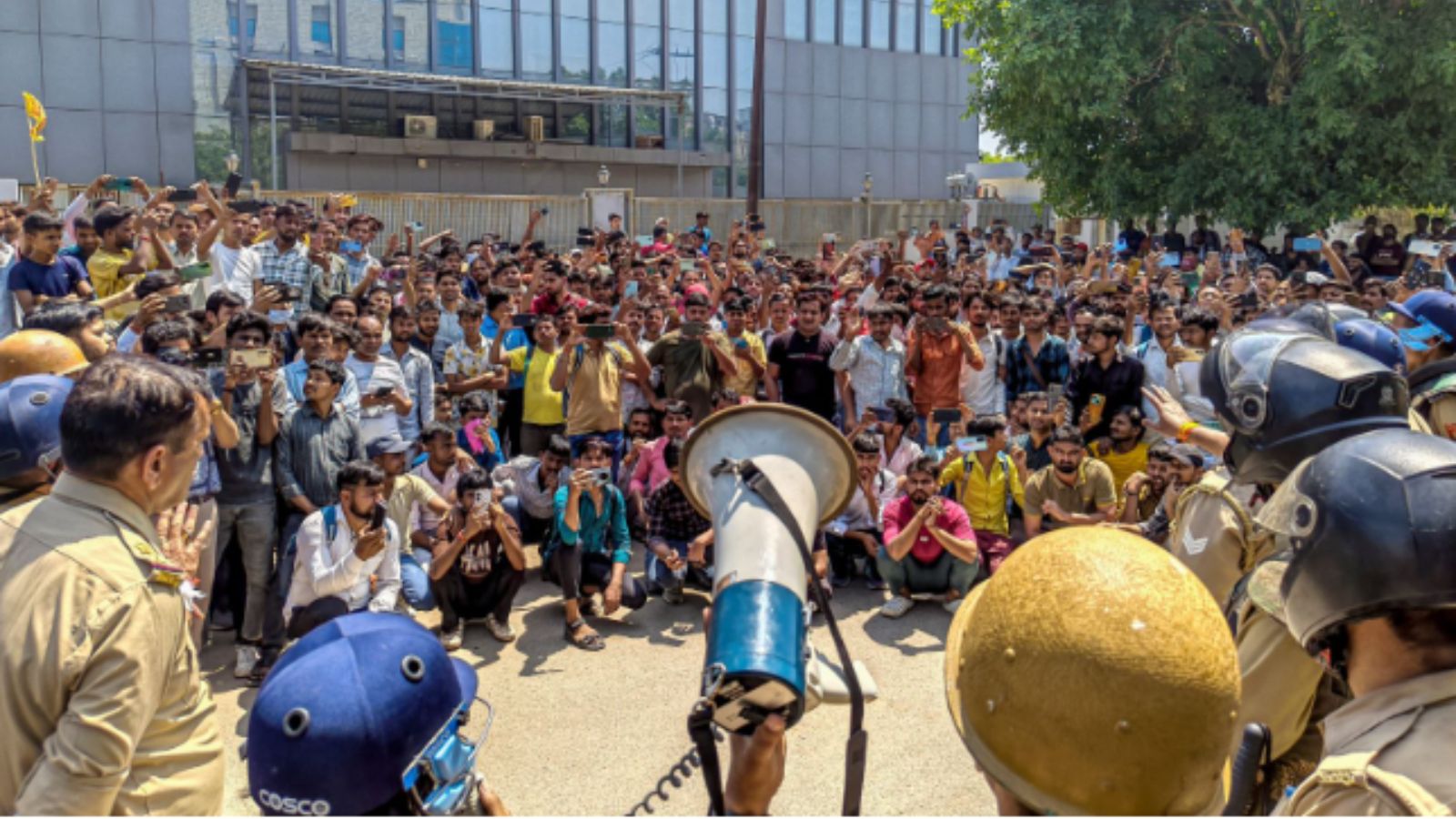
Noida Protest Arrests, Bail Orders and Vande Mataram Debate
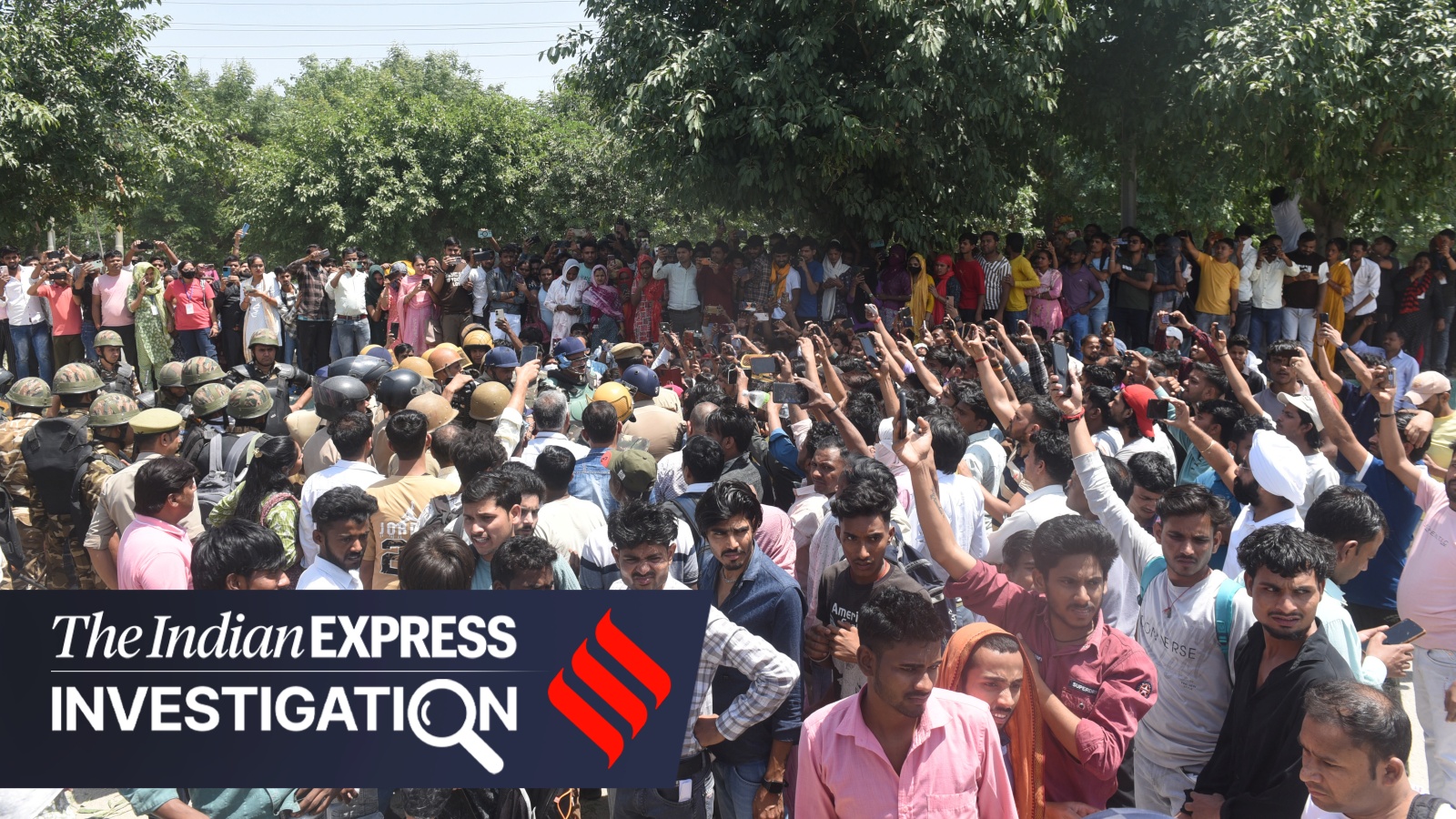
NSA Cited as Noida Protesters Face Bail Denials
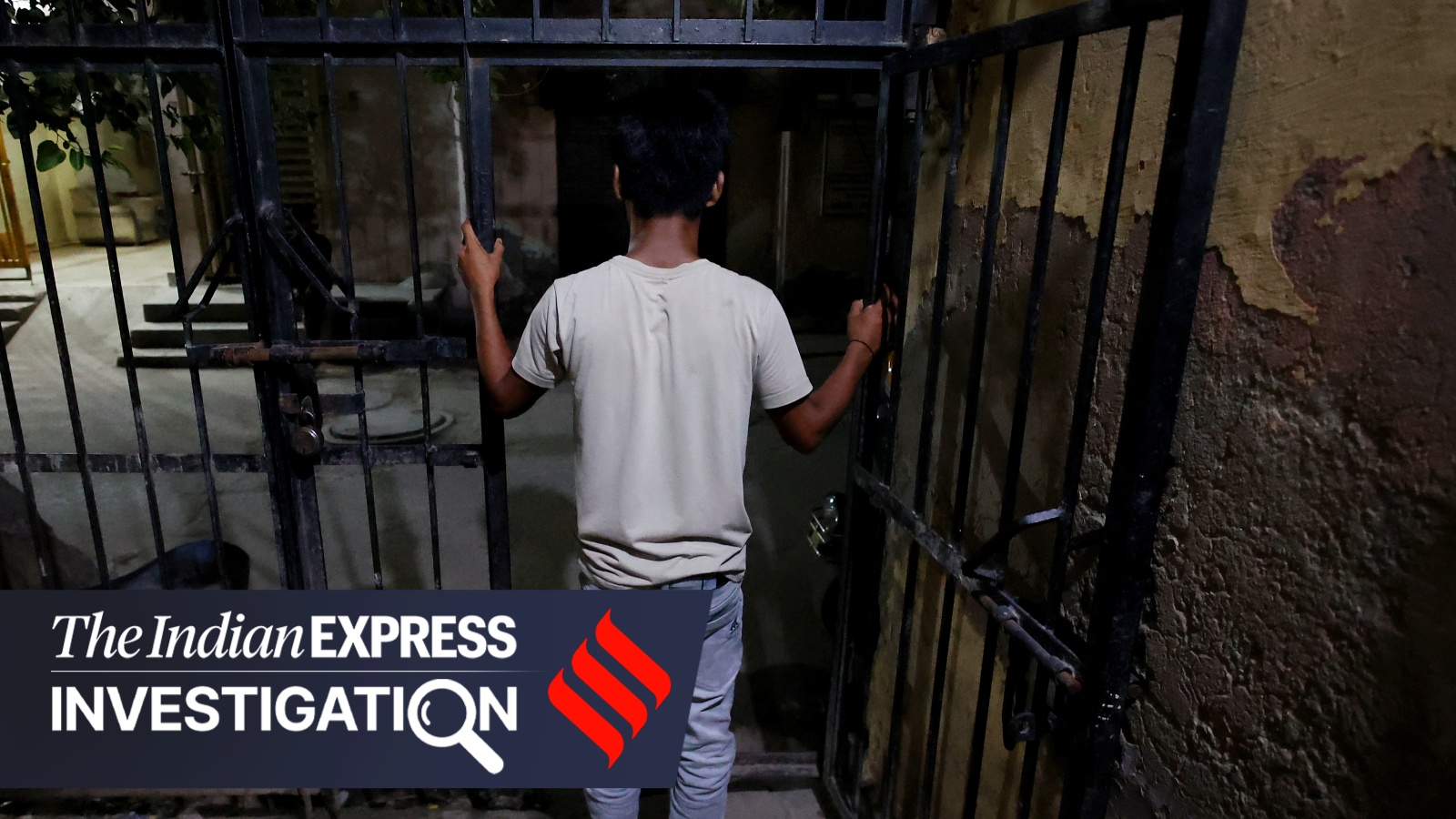
Noida Workers Face Debt and Fear After Bail in Protests

CJP Warns Government Against Repeating Noida Workers Crackdown
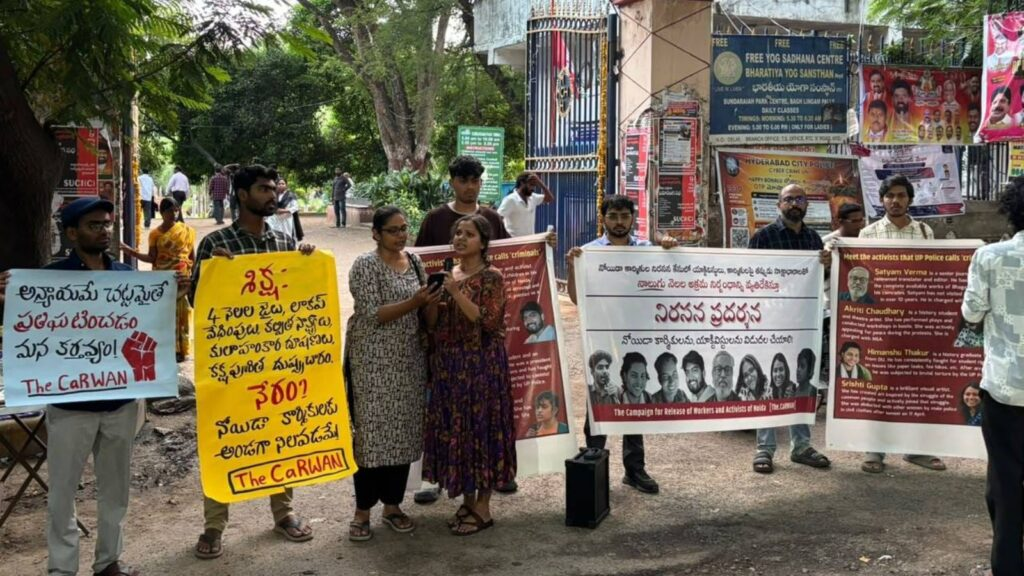
CARWAN Protests Detention of Noida Activists in Hyderabad
Haryana Says Ayushman Bharat Health Services Continue Despite IMA Call

Private Hospitals Flag Ayushman Bharat Payment Delays and Claim Deductions

Haryana Records Highest SGST Growth Among States in 2026-27
Haryana sanitation workers’ strike puts BJP government under pressure

Hooda Accuses Haryana Government of Evading Assembly Questions