1 week ago
Chidambaram Opposes One Nation, One Election Before Panel

India is considering holding national and state elections at the same time.
This idea is called One Nation, One Election.
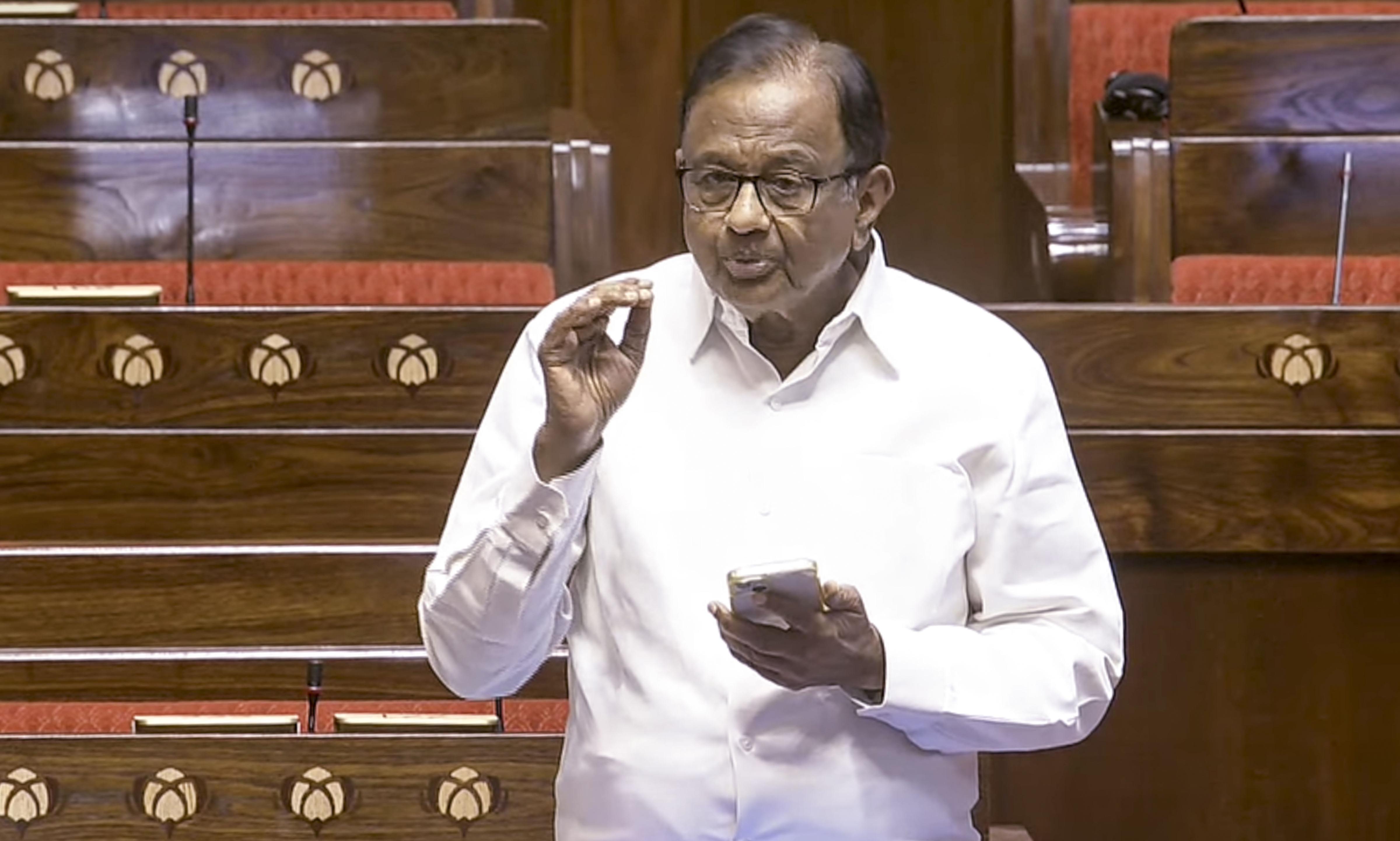
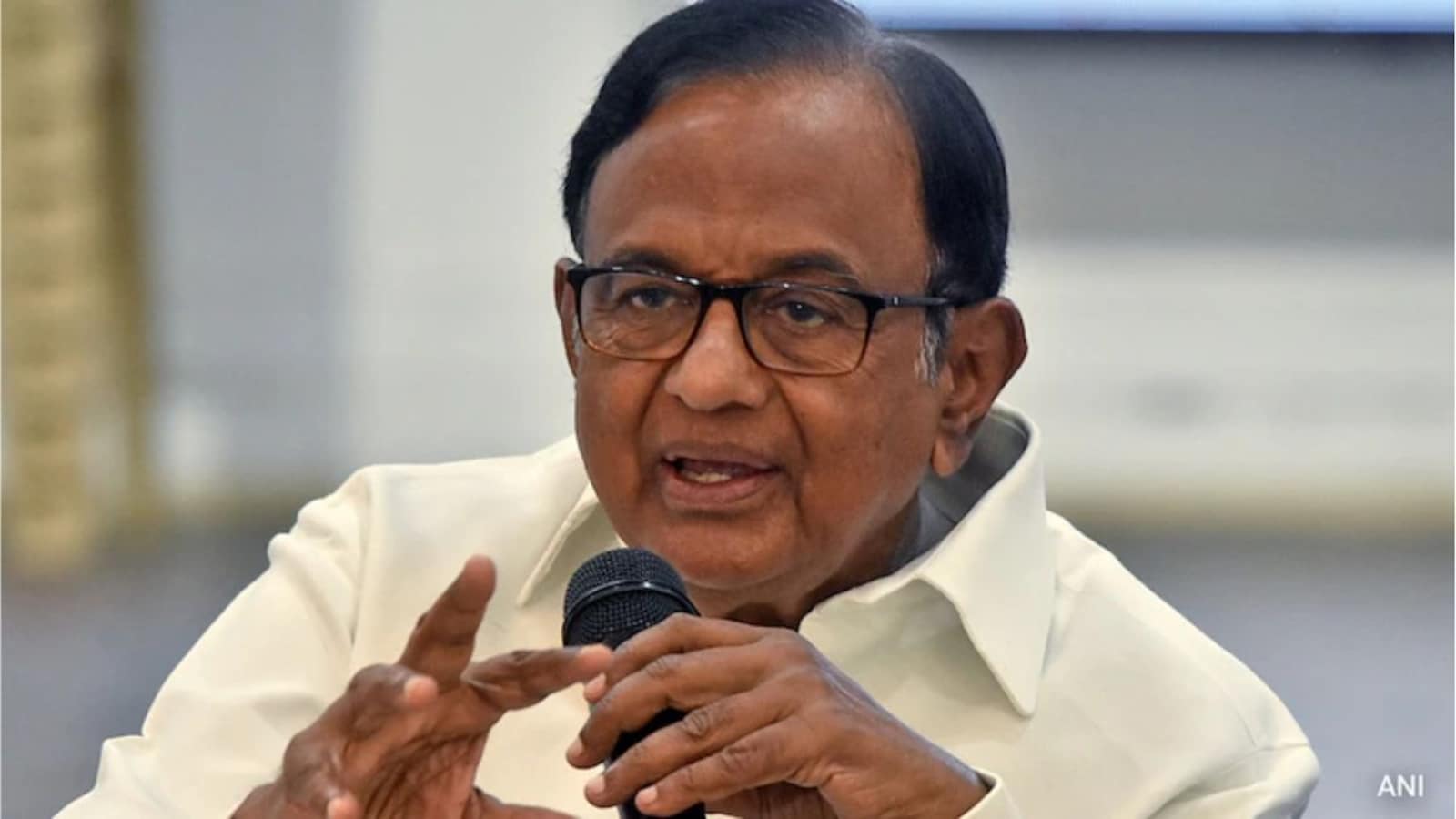
Former minister P. Chidambaram told a parliamentary committee that the plan is unconstitutional.
He said it could shorten the normal five-year terms of elected governments.
Sagarika Ghosh worried that the Election Commission might receive too much power.
Committee chairman P. P. Chaudhary disagreed and said the plan does not violate the Constitution’s basic structure.
Many Padma awardees supported the idea if strong safeguards are added.
Some other participants warned that the change could create chaos or uncertainty.
The committee will study these arguments before making recommendations.

P. Chidambaram called the simultaneous-election bills unconstitutional, flawed, illogical, monstrous and mindless.
He argued that shortening the five-year terms of elected legislatures would undermine parliamentary democracy and the Constitution’s basic structure.
TMC MP Sagarika Ghosh warned that the proposal could give the Election Commission unlimited or unchecked powers.
Committee chairman P. P. Chaudhary rejected the basic-structure objection and said the panel would examine all submissions.
Padma awardees generally backed simultaneous elections with safeguards, although some civil-society participants warned they could cause chaos or administrative uncertainty.
- Who
- Former Union minister P. Chidambaram, TMC MP Sagarika Ghosh, committee chairman P. P. Chaudhary, Padma awardees, civil-society representatives and law-policy organizations.
- What
- A joint parliamentary committee is examining bills to synchronize Lok Sabha and state assembly elections.
- Where
- Before a joint parliamentary committee in New Delhi.
- When
- The testimony was given on Monday; the bills were introduced in Lok Sabha in December 2024.
- Why
- The proposal seeks synchronized elections, while critics question its constitutionality, effects on legislative terms and implications for election oversight.
Critics and Cautionary Voices
Supporters and Reform Advocates
Constitutionality and legislative terms
Critics and Cautionary Voices
P. Chidambaram argued that prematurely shortening elected legislatures’ five-year terms would violate parliamentary democracy and the Constitution’s basic structure.
Supporters and Reform Advocates
P. P. Chaudhary said simultaneous elections do not violate the Constitution’s basic structure and that the committee should assess the proposal through its examination process.
Election Commission powers
Critics and Cautionary Voices
Sagarika Ghosh warned that the bills could give the Election Commission unlimited or unchecked powers.
Supporters and Reform Advocates
Supporters did not identify this as a fundamental obstacle, while law-policy organizations proposed legally accountable rules and parliamentary oversight.
Administrative effects
Critics and Cautionary Voices
Some civil-society participants warned that synchronized elections could produce chaos, uncertainty or administrative difficulties without safeguards.
Supporters and Reform Advocates
Padma awardees argued that simultaneous elections could reduce disruptions caused by the Model Code of Conduct, election duty and recurring polling, benefiting development work, academic schedules, entrance examinations and hospital administration.
Key facts
- Proposal
- “One Nation, One Election,” involving simultaneous Lok Sabha and state assembly polls.
- Bills
- The Constitution (129th Amendment) Bill, 2024, and the Union Territories Laws (Amendment) Bill, 2024.
- Chidambaram’s objection
- He said curtailing a legislature’s five-year term would violate the Constitution’s basic structure.
- Political support required
- Chidambaram said the government lacks the two-thirds parliamentary majority needed to pass the legislation.
- Election Commission concern
- Sagarika Ghosh argued that the bills could grant the Election Commission unbridled or unchecked authority.
- Supporters’ safeguards
- Padma awardees and other participants supported simultaneous elections provided adequate safeguards are established.
- Postponement proposals
- Law-policy organizations urged clear legal criteria, parliamentary oversight and fixed timelines for postponing state elections.
- Historical precedent
- Lok Sabha and state assembly elections were held simultaneously from 1951-52 through 1967.
Quotes
PP Chaudhary
BJP member and chair of the parliamentary joint committee examining the election bills
“The committee has been tasked by Parliament to examine and make recommendations. We sought Chidambaram's views as part of this examination process, and the committee will examine them before making its recommendations.”
 deccanchronicle.com
“Considering their wide range of experiences, I believe the committee gained rich information and excellent suggestions from them. Their views on 'One Nation, One Election' are very important.”
deccanchronicle.com
 NDTV
NDTV
Sources
Related news
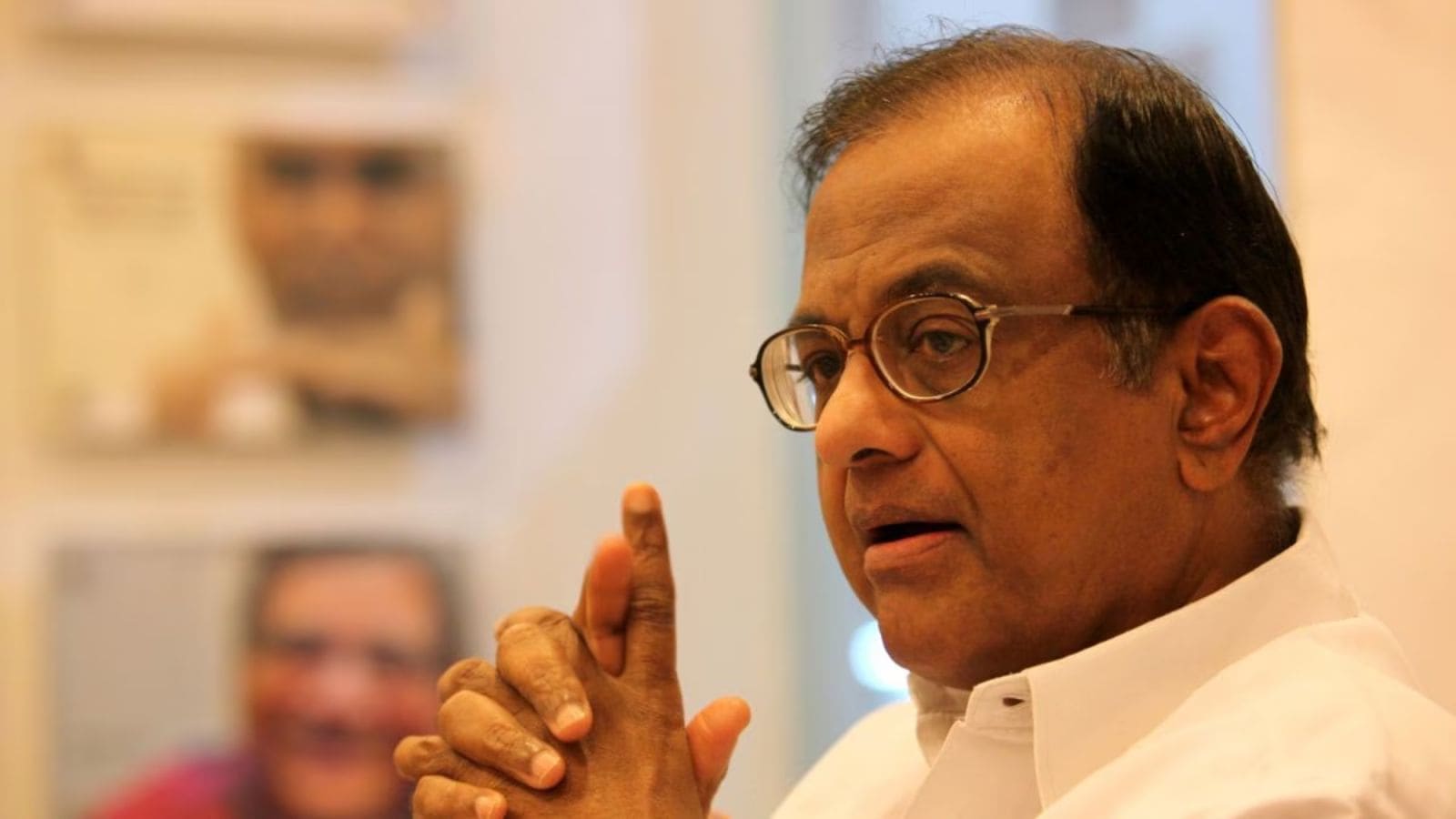
Chidambaram Says Simultaneous Poll Proposal Undermines Constitutional Structure
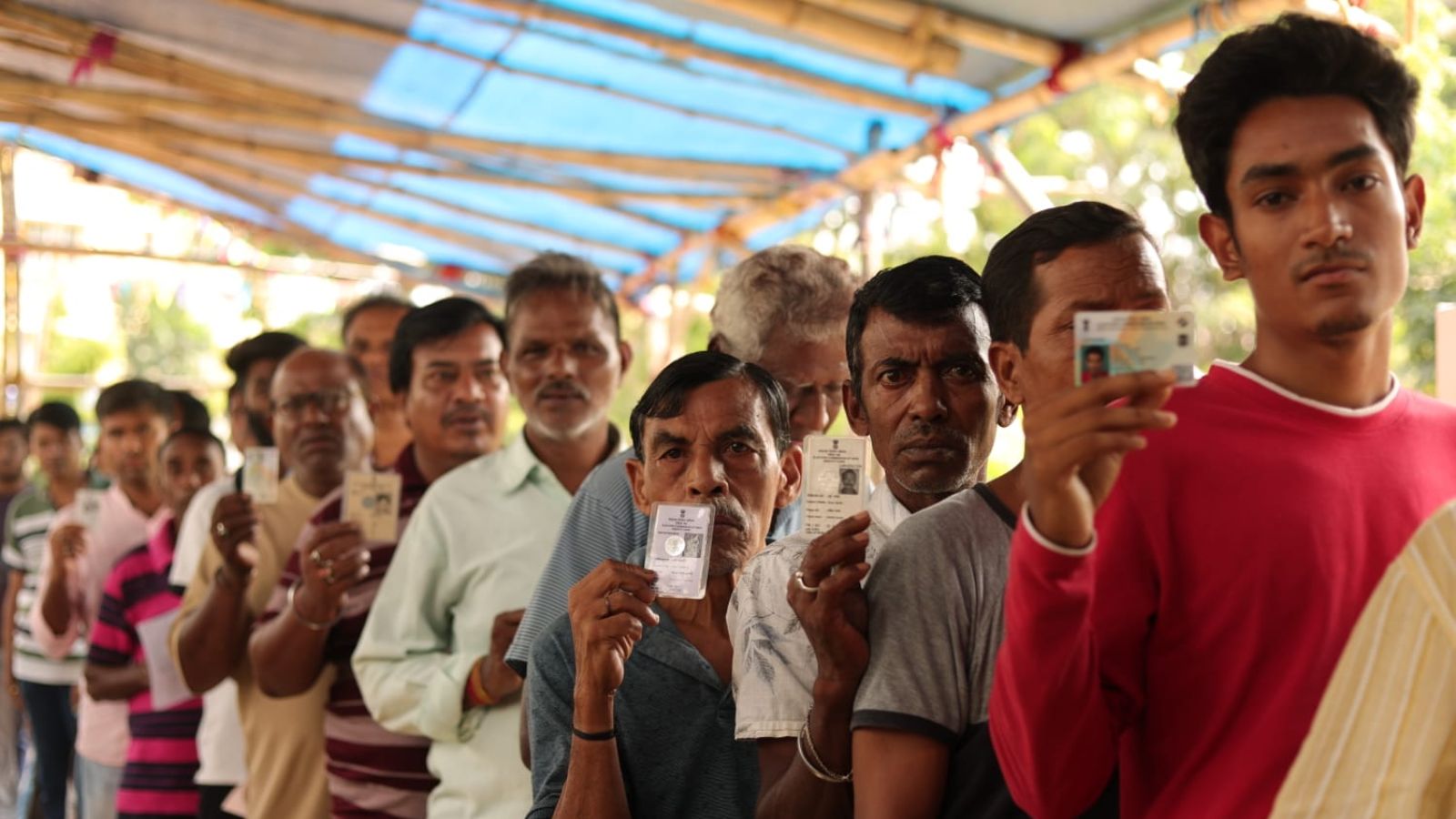
NDA Weighs 2029 Simultaneous Polls Across 22 States

Chouhan, Dhami Back One Nation, One Election Proposal

Chidambaram Says 2029 Simultaneous Elections Are Not Possible
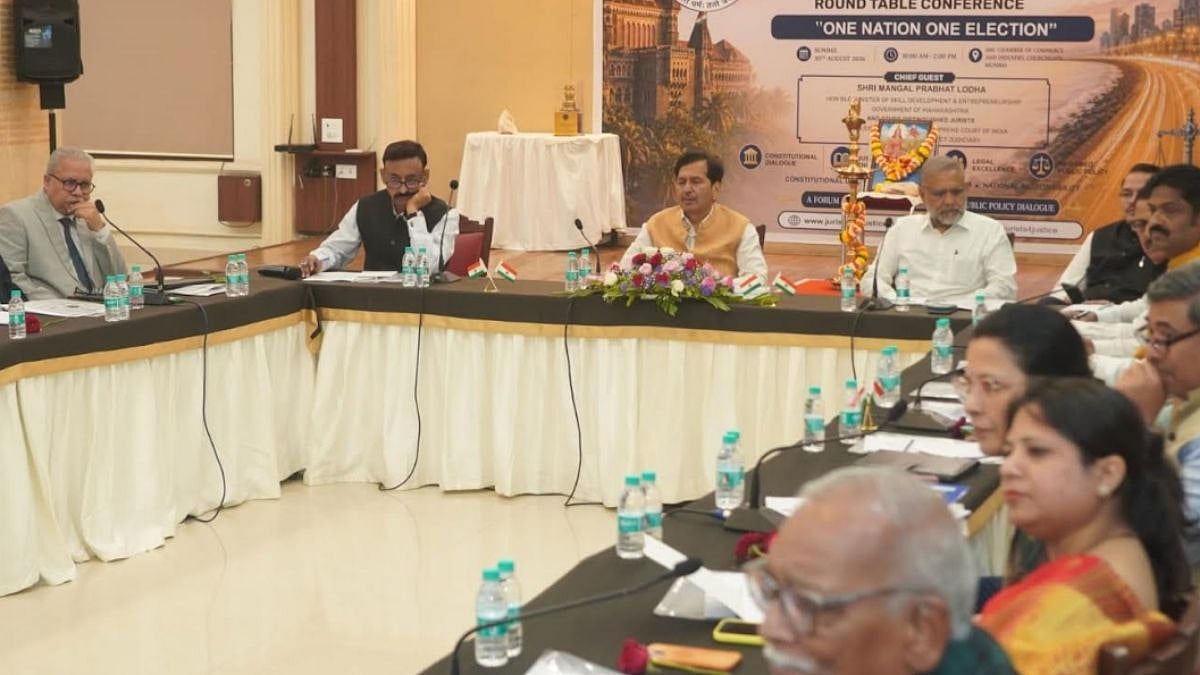
Roundtable Unanimously Endorses One Nation, One Election

Congress lists five achievements as Monsoon Session adjourns sine die
BJP Walks Caste Tightrope Between Reservation Protesters and Allies

Yogi Adityanath Urges Youth Innovation At University Foundation Day

Mahayogi Gorakhnath University Marks Five Years With 53 Courses
Kovind Urges Viewing Historic Rulers Beyond Caste and Religion