3 weeks ago
India's Exam Trust Crisis Brings Nilekani-Led Reform Task Force
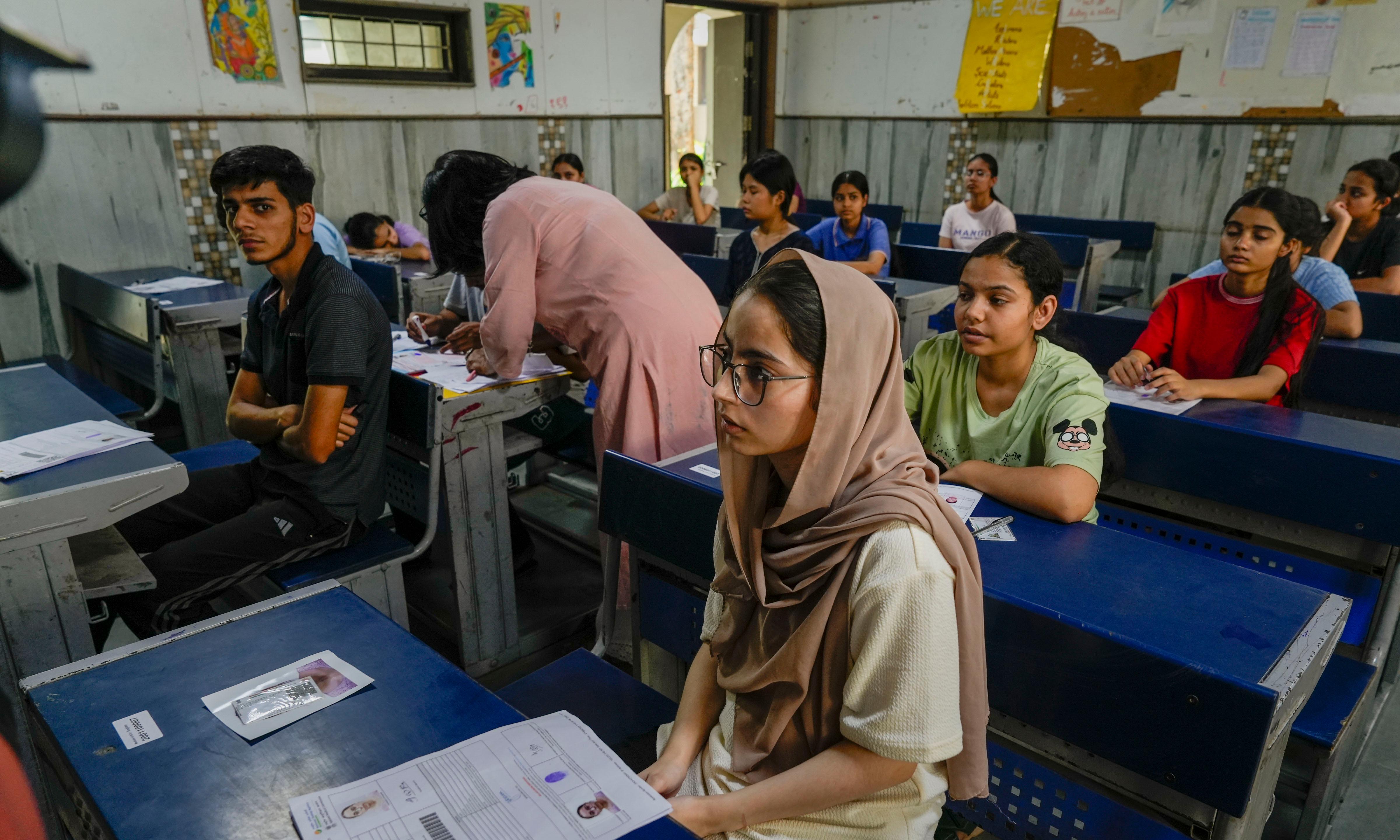
In India, big exams called NEET decide who gets to become a doctor or get a good job.
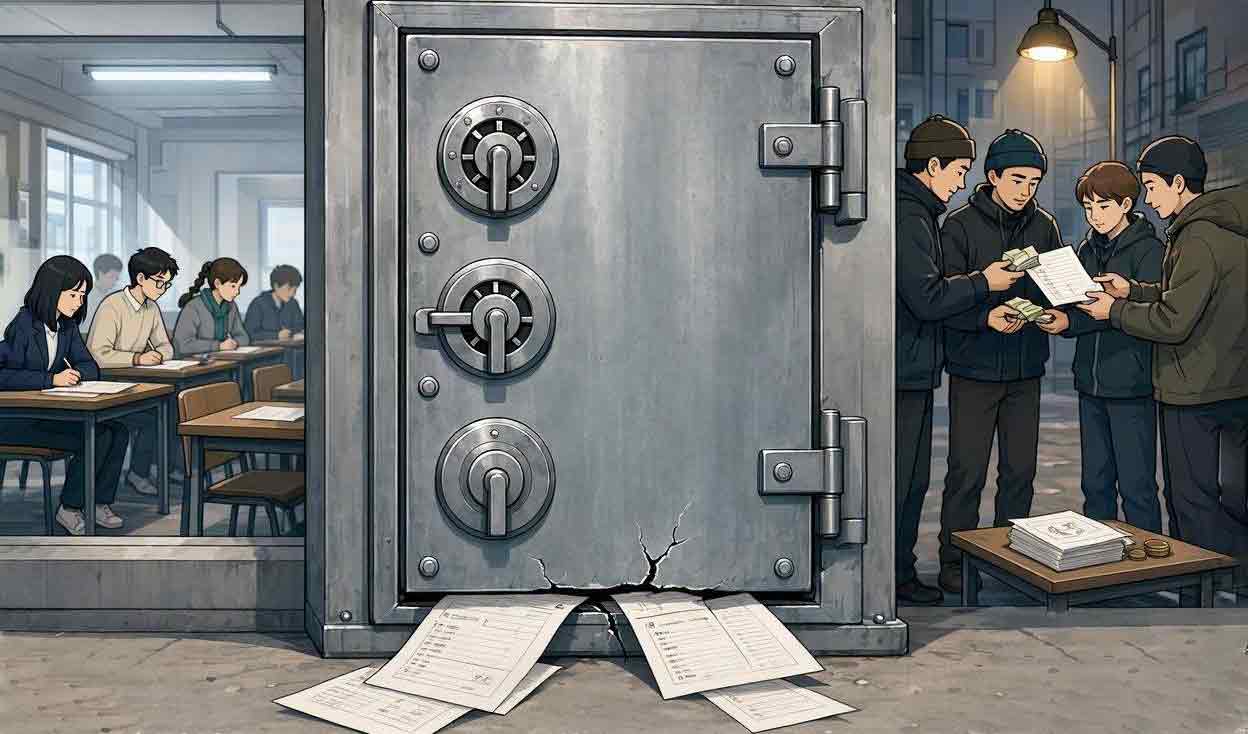
Recently, some exam papers were leaked, and many young people got very upset.
They felt the system was not fair, even when they worked really hard.
The government said it would fix things.
It created a team of experts to improve the exams, led by Nandan Nilekani, who helped build India's digital identity card system called Aadhaar.
The government also made a new law to stop cheating in public exams.
Even after these changes, some medical school seats in the NEET-PG 2025 exam stayed empty, even though the passing score was lowered a lot for some students.
The article says fair exams alone are not enough.
Students also need more good schools and jobs, and fair chances for everyone, so they can trust the system again.

A controversy over leaked papers in competitive exams like NEET has shaken India's youth and public trust.
The government set up a high-level examination reform task force chaired by technocrat Nandan Nilekani, the Aadhaar pioneer.
The government response also includes the Public Examinations (Prevention of Unfair Means) Amendment Bill 2026.
In NEET-PG 2025, qualifying thresholds were lowered to zero percentile for SC, ST and OBC candidates, yet thousands of postgraduate seats remained vacant.
Medical education has expanded, with MBBS seats rising from 1,09,115 (2023-24) to 1,28,976 (2025-26), alongside 86,360 postgraduate seats.
- Who
- India's young exam aspirants, the government, and the examination reform task force chaired by Nandan Nilekani; the article is authored by Pradeep S. Mehta of CUTS International.
- What
- A controversy over leaked papers and perceived unfairness in competitive exams like NEET, prompting systemic examination reform, an anti-unfair-means bill, and debate over merit, reservation and trust.
- Where
- India
- When
- In recent months, covering the NEET-PG 2025 controversy and the Public Examinations (Prevention of Unfair Means) Amendment Bill 2026.
- Why
- Paper leaks, cancelled exams and perceived irregularities eroded public trust in the State's promise that hard work and merit will be rewarded fairly.
Access and affirmative action advocates
Merit and quality defenders
NEET-PG 2025 qualifying thresholds
Access and affirmative action advocates
Sharply lowering qualifying thresholds to zero percentile for SC, ST and OBC candidates widens access and helps fill thousands of otherwise vacant postgraduate seats.
Merit and quality defenders
Even after the relaxation, thousands of seats stayed vacant, and expansion must not substitute for quality, so professional competence and rigorous uniform standards must remain non-negotiable.
Reservation policy
Access and affirmative action advocates
Reservation remains central to addressing India's legacy of caste-based exclusion and must ensure affirmative action reaches those most in need.
Merit and quality defenders
The concerns of economically modest families in the unreserved category deserve recognition, and implementation should be evidence-based, periodically evaluated, and never pit one disadvantaged group against another.
Key facts
- Reform task force chair
- Nandan Nilekani
- Key legislation
- Public Examinations (Prevention of Unfair Means) Amendment Bill 2026
- MBBS seats (2023-24)
- 1,09,115
- MBBS seats (2025-26)
- 1,28,976
- Postgraduate medical seats
- 86,360
- NEET-PG 2025 qualifying threshold (SC/ST/OBC)
- Zero percentile
- Student mental health body
- Supreme Court-appointed National Task Force
- Article source
- Pradeep S. Mehta, secretary-general, CUTS International
Quotes

Pradeep S. Mehta
Secretary‑general of CUTS International and author of the article
“"The emphasis on technology‑enabled examinations, foolproof systems and structural reforms reflects an acknowledgement that India’s examination ecosystem requires more than just temporary fixes."”
 deccanchronicle.com
“"The choice before India is not between merit and social justice, but between merely conducting examinations and building a system that commands confidence."”
deccanchronicle.com
A government source
Unspecified government official quoted in the article
“"The Public Examinations (Prevention of Unfair Means) Amendment Bill 2026 will strengthen the integrity of exam processes and reduce reliance on ad hoc fixes."”
deccanchronicle.com
Sources
Related news
NEET-UG 2026 Paper Leak Crisis Exposes India's Exam Flaws

Exam Leaks Expose India’s Deeper Education and Jobs Crisis
Why Free Public Examinations Are Essential to Democracy

Centre Forms Nandan Nilekani Panel to Overhaul India's Examination System

Jharkhand Youth Exam Protests Test India's Political Parties
Two Years After RG Kar Doctor's Rape-Murder, Case Remains Unresolved

ED widens Chhattisgarh probes with two arrests and searches

Delhi High Court Orders Madhya Pradesh to Pay Advocate Dues
Haryana sanitation workers’ strike puts BJP government under pressure
Orissa High Court Says Brothel Customers Cannot Face Trafficking Charges