

5 days ago
India’s Schools Need Holistic Assessment Beyond Examination Scores
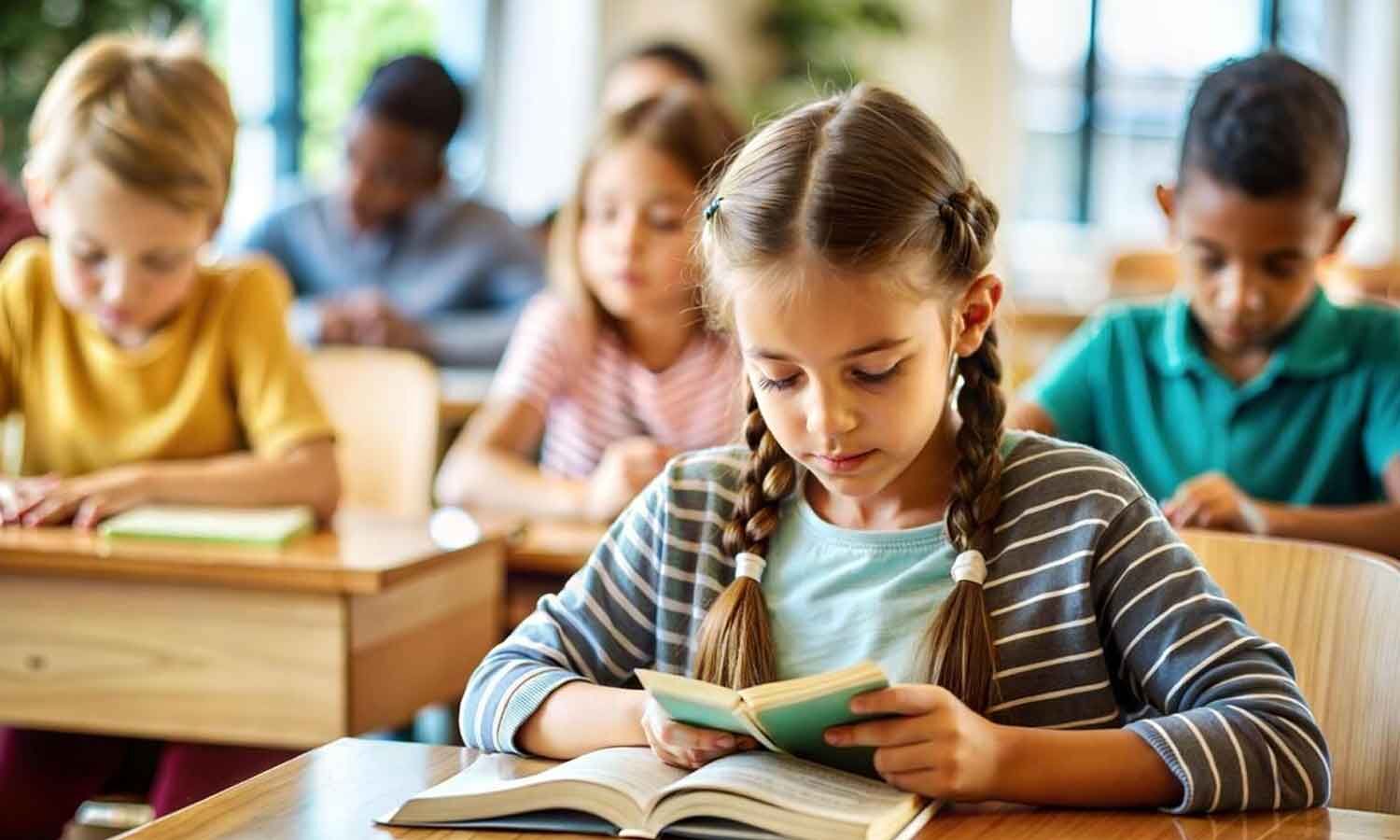
Schools usually use tests and marks to see how much students have learned.
But a good score does not always show whether a student understands an idea or can use it in real life.
Students may remember facts but struggle to solve new problems.
Teachers can use projects, discussions, presentations and practical activities to learn more about students’ abilities.
Regular feedback can help find problems before they become bigger gaps.
Technology can help track progress and suggest areas where students need support.
However, teachers are still needed to understand each child and provide personal guidance.
Parents can also encourage children to ask questions and explain ideas in their own words.
Examinations can remain useful, but they should be combined with other ways of measuring learning.

India’s education system has expanded enrolment and digital learning, while the National Education Policy 2020 promotes competency-based and holistic development.
Traditional examinations remain important but may emphasize memorization more than reasoning, application and problem-solving.
Projects, discussions, presentations, practical activities and competency-based evaluations can provide a broader view of student learning.
Continuous assessment, digital tools and adaptive learning systems may help identify learning gaps earlier, although teachers remain essential.
The article argues that examinations should remain part of a wider system that prepares students for changing workplaces and everyday challenges.
- Who
- Students, teachers, parents and education policymakers are central to the discussion.
- What
- The article calls for assessment methods that measure understanding, application, skills and holistic development alongside examination performance.
- Where
- India’s schools and education system.
- When
- The discussion is framed around changes in India’s education system over the past decade and the implementation of the National Education Policy 2020.
- Why
- To identify learning gaps and help students apply knowledge, solve problems and adapt to higher education, employment and everyday life.
Key facts
- Education policy
- The National Education Policy 2020 emphasizes conceptual understanding, competency-based education and holistic development.
- Concern
- Students may progress through grades or earn strong marks while retaining gaps in foundational concepts.
- Assessment methods
- Suggested approaches include projects, case studies, discussions, presentations, practical activities and competency-based evaluations.
- Continuous assessment
- Regular feedback can help teachers identify and address learning difficulties earlier.
- Technology’s role
- Digital assessment platforms and adaptive learning systems may identify areas requiring additional academic support.
- Teacher’s role
- Teachers remain important for observing participation, recognizing confusion and tailoring feedback to individual circumstances.
- Workplace skills
- Artificial intelligence, automation and data-driven technologies increase the importance of analytical thinking, communication, collaboration and adaptability.
Sources
Related news

India’s Exam Reform Must Begin in the Classroom
CISCE Opens SHINE 2026 Registration for Digital Student Assessment

Education Shifts from Academic Pressure to Purpose-Driven Learning

AI Should Support Understanding, Not Replace Independent Thinking

How Technology Is Reshaping Student Learning Across India

NCERT Prepares Classes 10-12 Textbooks For Responsible AI Use
Ramesh Seeks Funds for 13 JNVs and Two AIIMS
Andhra Pradesh Government Schools Told to Prioritize Practical Skills

West Bengal, UNICEF Begin Workshop on Inclusive Education
